The secret to the dryer sheet lies in its fragrance. Many dryer sheets contain linalool, a chemical compound naturally found in lavender, basil, and mint. Linalool is a well known insect repellent. Wasps and yellow jackets possess highly sensitive olfactory systems that they use to navigate, communicate, and locate food. Strong, unfamiliar scents like linalool overwhelm and confuse them, making the area highly unappealing for nesting. It is important to note that dryer sheets are not insecticides. They do not kill wasps. Instead, they simply make the environment unattractive, discouraging new wasps from building a nest in the first place.
A Lifesaver for Mail Carriers
Viewing this practice from the perspective of a mail carrier highlights its importance. Postal workers face constant exposure to stinging insects during the summer months. A single nest can halt mail delivery to an entire street until it is safely removed. Dryer sheets offer a brilliant solution because they are inexpensive, lightweight, nontoxic, and easy to carry on a daily route. This clever trick has become a widespread, shared practice among postal communities to protect both the workers and the residents they serve.
How to Respond When You Find One
If you discover a brightly colored dryer sheet tucked into the back of your mailbox, resist the urge to throw it away. That small square of fabric is a chemical free defense mechanism placed there for your safety and the safety of your mail carrier. The best course of action is to simply leave it in place. If it happens to fall out, gently tuck it back into the corner behind your mail. Once the scent begins to fade after a few weeks, you can replace it with a fresh sheet or kindly ask your mail carrier to do so. Taking a moment to thank your mail carrier for looking out for you is always a wonderful gesture.
Dealing with an Existing Nest
It is crucial to remember that a dryer sheet is a deterrent, not an exterminator. If you already have an active nest, indicated by wasps flying in and out, visible paper or mud structures, or aggressive buzzing, the dryer sheet will not be enough. In this scenario, do not attempt to open the mailbox or remove the nest yourself. Contact your local post office supervisor, as they may need to temporarily suspend delivery. You should then hire a professional pest control service to safely eliminate the threat. Once the nest is gone, placing a fresh dryer sheet inside will help prevent future infestations.
Alternative Natural Deterrents
If you prefer not to use disposable dryer sheets, there are several other natural alternatives. Lavender sachets provide the same active ingredient in a more natural format. You can also place a few drops of peppermint oil on a cotton ball, as wasps strongly dislike the scent of peppermint, cucumber peels, or a blend of essential oils like clove, geranium, and lemongrass. Scent based repellents require regular refreshing, typically every one to two weeks, to remain effective. Reusable cloth bags filled with dried lavender or cotton balls soaked in essential oils are excellent, eco friendly options.
A Simple, Scented Solution
What makes this simple hack so remarkable is its elegance. It requires no high tech equipment, no expensive chemicals, and no complicated setup. It is just a humble dryer sheet, and it works. My mail carrier eventually stopped placing them in my box, likely because the wasps finally got the message. Now, I keep a box of lavender scented sheets in my garage just in case. The next time you open your mailbox and find a mysterious square of fabric in the back, leave it right where it is. Offer a silent word of thanks to your mail carrier, and enjoy a safe, wasp free summer. If you have ever encountered this clever trick or have your own natural pest deterrent methods, I would love to hear about your experiences. Sharing practical wisdom with neighbors is one of the best ways to keep our communities safe and informed.
Making this a habit takes less than two minutes and can save you weeks of stress. Begin with the immediate drop. Before you unpack a single item, place your suitcase directly into the bathtub. If there is a shower curtain, pull it closed to create an extra barrier against airborne dust or accidental splashes.
Plumbing Fixtures & Equipment
Next, conduct a bed inspection. Pull back the sheets and examine the mattress seams, corners, and the headboard. Look for tiny rust-colored spots, shed skins, or the bugs themselves, which are about the size of an apple seed. Follow this with a furniture sweep, checking the seams of any upholstered chairs, the drawers of the dresser, and the area behind the headboard. Once you are satisfied the room is clear, you can move your luggage to a luggage rack, after inspecting the rack itself, or keep it in the tub while you unpack only what you need.
Comprehensive Luggage Defense Strategies
Beyond the bathtub, there are several other gentle strategies to protect your belongings. Utilizing the bathtub drop isolates your bag on a smooth, cold, elevated surface, and you can wipe the tub down quickly with a disinfectant wipe first for extra peace of mind. Investing in hard-shell luggage is a great long-term solution for frequent travelers, as it offers fewer seams, zippers, and fabric pockets for bugs to hide in. Using plastic bag barriers keeps both dirty and clean clothes separated and protected inside the suitcase; consider packing your clothes in large, sealable plastic bags or packing cubes. Finally, seeking the high ground by keeping bags off the carpeted floor reduces exposure. You can use a metal luggage rack or a desk, but always inspect the surface first.
Addressing Common Travel Concerns
Many travelers have valid questions about this method. A common concern is whether the hotel bathtub is dirty. To make this hack as sanitary as possible, keep a few travel-sized disinfectant wipes in your toiletry bag and give the tub a quick ten-second wipe-down before setting your bag inside. Even if it is not perfectly sterile, it is still vastly safer from bedbugs than the carpeted floor or an upholstered chair.
Luggage
If your hotel room only has a walk-in shower, the same principle applies. Place your luggage on the tiled floor of the shower, as the smooth, wet-prone surface is still highly unappealing to bedbugs. Just be sure the drain is closed so your bag does not get wet if you decide to shower later.
If you have a very large or heavy suitcase and lifting it into the tub is not feasible, place it on a hard surface like a wooden desk, a tiled bathroom floor, or a metal luggage rack. Just be sure to thoroughly inspect the luggage rack straps and joints before trusting it with your bag.
Finally, while no single method is completely foolproof, the bathtub hack drastically reduces your risk. Combined with keeping your clothes in sealed bags and washing your travel laundry in hot water when you return home, it is one of the most effective defenses available.
Hotels & Accommodations
A Compassionate Closing Thought
If you are reading this and feeling a familiar twinge of travel anxiety, please take a slow, deep breath and give yourself a gentle smile. Your peace of mind is worth protecting. Travel is meant to be a time of joy, exploration, and rest, and it is completely natural to want to safeguard your home and your health. Taking two minutes to do a bathtub check is a small, empowering act of self-care.
Resourcefulness is a traveler’s best friend. You do not need expensive gadgets or harsh chemical sprays to protect yourself. Sometimes, the most effective solutions are the simplest ones, using the very architecture of the room to your advantage. Give yourself grace for past worries. If you have stayed in hotels for years without doing this and have been perfectly fine, that is wonderful. This is not about living in fear; it is about adding a simple, reassuring layer of protection to your routine so you can relax more deeply.
You are in control of your space. A hotel room is temporary, but your habits travel with you. By establishing this quick, gentle routine, you are taking charge of your environment and ensuring that your vacation remains exactly what it should be: a beautiful, uninterrupted escape. That empty bathtub is not just for washing up. It is a temporary sanctuary for your belongings, a clever, quiet shield against the unknown, and your ticket to sleeping soundly, knowing your home is safe.
Visual Art & Design
So, the next time you unlock that hotel room door, drop your bags in the tub, take a deep, relaxing breath, and step into your getaway with total confidence and peace of mind. What is your favorite, foolproof travel hack for staying organized and stress-free on the road? Do you have a gentle routine that helps you feel instantly at home in a new place? Share your practical wisdom and cozy travel memories respectfully in the comments below.
One of the most impressive features of cucumbers is their exceptionally high water content. Since they are made up of approximately 95 percent water, they are considered one of the most hydrating vegetables available. Eating foods that naturally contain plenty of water may help support daily hydration, particularly during hot weather or after physical activity. Proper hydration plays an important role in many normal body functions, including maintaining energy levels, supporting healthy digestion, regulating body temperature, and helping the skin retain its natural appearance. While drinking enough water remains essential, water-rich fruits and vegetables can also contribute to total daily fluid intake. For individuals who struggle to consume enough fluids throughout the day, adding cucumber slices to meals or enjoying them as a snack can be a simple and refreshing way to increase overall hydration while also adding variety to the diet.
In addition to helping with hydration, cucumbers provide several vitamins, minerals, and naturally occurring plant compounds that support overall wellness. Although they are not among the most nutrient-dense vegetables, they still contribute valuable nutrients, including vitamin C, vitamin K, and small amounts of vitamin A. Vitamin C supports normal immune function and helps protect cells from everyday oxidative stress, while vitamin K plays an important role in maintaining normal blood clotting and supporting healthy bones. Cucumbers also contain antioxidants and other beneficial plant compounds that are naturally found in many vegetables. These substances help make vegetables an important part of a balanced eating pattern. Choosing a wide variety of colorful produce, including cucumbers, can help people enjoy a broader range of nutrients that work together to support general health over time.
Another reason cucumbers are frequently recommended as part of a balanced diet is their fiber content, particularly a soluble fiber known as pectin. Dietary fiber supports normal digestion and can help maintain regular bowel movements when consumed as part of an overall healthy eating pattern. Fiber may also contribute to feelings of fullness after meals, making it easier for some people to manage portion sizes. Cucumbers are naturally low in calories while providing satisfying crunch and volume, making them a popular choice for individuals looking for lighter meal options without sacrificing freshness or flavor. Pairing cucumbers with other nutritious foods such as leafy greens, tomatoes, lean proteins, yogurt-based dips, or whole-grain sandwiches creates balanced meals that are both enjoyable and nourishing. Their mild taste also makes them appealing to children and adults alike, encouraging greater vegetable consumption throughout the day.
Perhaps one of the greatest advantages of cucumbers is how easy they are to include in everyday meals. They can be sliced into salads, blended into refreshing drinks, added to grain bowls, served with healthy dips, or simply eaten on their own as a convenient snack. Their affordability, widespread availability, and long list of culinary uses make them a practical choice for households seeking simple ways to eat more vegetables. Although cucumbers are not a substitute for a varied and balanced diet, they can play a valuable role as part of one. Enjoying cucumbers alongside a range of fruits, vegetables, whole grains, lean proteins, and healthy fats helps create nutritious meals that support overall well-being. By making small, consistent choices such as adding cucumbers to daily menus, people can build healthy eating habits that are both sustainable and enjoyable over the long term.
Many people search for simple ways to improve their daily habits, especially when it comes to evening cravings and nighttime snacks. One 59-year-old man decided to make a small change by replacing his usual late-night snacks with two to three bananas before bed. Over the following months, he noticed several positive changes in his routine, including better appetite control, improved energy, and a greater focus on healthier choices. While everyone’s body responds differently, his experience shows how small lifestyle changes can sometimes create meaningful results.
For years, many people have avoided eating fruit at night because of concerns about natural sugars. Instead, processed snacks like chips, cookies, and sweets often become the easy choice during evening hours. However, replacing highly processed foods with whole foods can support a more balanced diet. Bananas are a convenient fruit that provide important nutrients, including fiber, potassium, and other essential minerals that contribute to overall wellness.
One of the first changes this man noticed was better control over his evening cravings. Many nighttime snacks are not always caused by true hunger but can come from habits, stress, or simply wanting something enjoyable after a long day. The fiber found in bananas can help people feel satisfied for longer, making it easier to avoid unnecessary snacking and maintain healthier eating patterns.
Another area where he noticed improvement was his nighttime routine and overall rest. Bananas contain nutrients such as magnesium and potassium, which play important roles in normal muscle function and relaxation. They also contain compounds involved in the body’s natural processes related to mood and sleep regulation. Although eating a banana is not a guaranteed solution for sleep problems, choosing nutritious foods can be part of a healthier bedtime routine.
His digestion also became a noticeable part of the change. Fiber is an important part of a balanced diet because it helps support normal digestive function. Adding more fiber-rich foods, along with drinking enough water, can help maintain regular digestion and support a healthy gut environment. For people who do not eat enough fruits and vegetables, simple additions like bananas can be an easy step toward improving daily nutrition.
The man also reported feeling more energetic during the day. Food choices made in the evening can influence how people feel the next morning. By replacing processed snacks with a nutrient-rich option, he was giving his body a source of natural carbohydrates and minerals that support everyday activities. A consistent, balanced diet can help many people feel more stable energy throughout the day.
However, it is important to remember that bananas are not a magic solution or a replacement for a healthy lifestyle. The benefits this man experienced likely came from an overall improvement in his habits, including choosing less processed food and paying more attention to his nutrition. Individual results can vary depending on age, activity level, health conditions, and many other factors.
People with certain medical conditions should always consider their personal health needs before making major dietary changes. For example, individuals who need to manage potassium intake due to specific health concerns should speak with a healthcare professional before increasing foods high in potassium. A balanced approach is always the best way to support long-term wellness.
The biggest lesson from this experience is that small, consistent choices can have a powerful impact over time. You do not always need complicated plans or extreme changes to improve your habits. Simple swaps, like choosing fruit instead of heavily processed snacks, can be a practical way to create a healthier daily routine.
Ultimately, this 59-year-old man’s experience highlights the value of paying attention to what you eat and how those choices affect your body. Adding more whole foods, staying active, getting enough rest, and maintaining a balanced lifestyle are all important parts of overall health. Sometimes, the smallest changes can become the foundation for better habits and a more energized life.
Producer Who Worked on Oprah’s $8 Million ‘You Get a Car’ Giveaway Breaks Silence on Devastating Reality
The topic of Producer Who Worked raises many questions. The most iconic giveaway in television history came with a hidden price tag that many winners never expected. A producer who helped orchestrate Oprah Winfrey’s legendary 2004 car giveaway has finally revealed the crushing financial reality that unfolded after the cameras stopped rolling.
In one of the most unforgettable moments in daytime television, Oprah Winfrey surprised her entire studio audience with a brand new Pontiac G6 for every single person in the room. The gesture, which cost approximately $8 million, sent 276 people home with shiny new vehicles and created a moment that the internet has never allowed to fade into obscurity.
However, what the audience at home never saw was the devastating aftermath that left winners frustrated, producers heartbroken, and a valuable lesson permanently etched into television production history.
The Hidden Tax Bomb That Destroyed the Dream
Discover more
TV Soap Operas
Rock Music
Pop Music
Under United States tax law, the cars were legally classified as gifts. This classification meant that every single winner was personally responsible for paying federal income tax on the full value of their prize. The tax bill, which ran into thousands of dollars per person, came as a complete shock to many recipients who had believed they were receiving an entirely free vehicle.
The production team had covered the sales tax and registration fees, but they simply could not absorb the income tax obligations for 276 individual recipients. The math was impossible. The generosity of the gesture collided head-on with the cold reality of the Internal Revenue Code, and the collision left casualties on both sides.
Many winners went public with their anger and frustration. Some were forced to sell their cars simply to cover the tax burden. Others could not afford to keep the vehicles at all, turning what should have been a blessing into a financial nightmare.
\
Producer Lisa Erspamer Opens Up About the Fallout
Producer Lisa Erspamer reflected on the entire experience during an episode of the podcast Making Oprah: The Inside Story of a TV Revolution. She described the aftermath as genuinely painful for the team that had poured their hearts into creating what they believed would be a moment of pure joy.
“It was devastating after, because gift tax is a thing, and it’s always a complicated thing when you’re giving stuff away,” Erspamer said, according to reports.
The production had anticipated potential complications and had offered winners an alternative. Instead of accepting the car and dealing with the accompanying tax bill, recipients could choose to take cash in lieu of the vehicle. However, by the time this alternative was made clear, the damage to public perception had already been done.
Discover more
TV Reality Shows
News
Physics
When winners began complaining to the press about their unexpected financial burden, Erspamer admitted that the negative reaction hit the production team exceptionally hard.
“We put our whole soul into this moment of television and with real intention to do something good,” she said. “And so when people had a negative reaction, it literally hurt our feelings.”
The Gap Between Intention and Reality
The story of the Oprah car giveaway has since become a cautionary tale taught in media production courses across the country. It illustrates the profound gap between a generous gesture and the real-world consequences that can follow when legal and financial complexities are not fully communicated to recipients.
The production team’s intentions were entirely positive. They wanted to create a moment of unprecedented generosity that would change lives and provide hope. Yet, the legal structure of large-scale giveaways meant that what appeared to be a free gift carried significant tax implications that many ordinary people did not fully understand until it was too late.
This disconnect between creator intention and recipient experience is a recurring theme in large-scale charitable and promotional events. The Oprah car giveaway remains the most famous example precisely because the numbers were so staggering and the emotional stakes were so high.
The Internet Never Forgets
More than two decades later, the image of an entire audience screaming in disbelief as they realized they had all won cars remains permanently embedded in popular culture. The moment has been parodied, referenced, and replayed countless times across television, film, and social media.
Communications & Media Studies
Winfrey herself has occasionally addressed the controversy surrounding the tax implications. The moment remains a complicated chapter in her legacy—a gesture of such profound generosity that it inadvertently created hardship for the very people it was intended to help.
The story also highlights how the mechanics of giveaway programs work in practice. Large-scale prize distributions, whether on television shows, radio contests, or corporate promotional events, almost always carry tax implications that winners may not anticipate. The Oprah car giveaway serves as the ultimate example of this principle because of the sheer scale of the prizes involved.
Lasting Lessons for the Entertainment Industry
In the years since the incident, television producers have become far more meticulous about communicating the tax implications of major giveaways to participants. Waivers, disclosures, and informational sessions have become standard practice for any show that plans to distribute prizes of significant value.
Lisa Erspamer’s candid reflection on the experience offers a rare behind-the-scenes look at how the people who create these moments of television magic grapple with the unintended consequences of their work. Her willingness to discuss the emotional toll the backlash took on the production team humanizes a story that is often told solely from the perspective of disappointed winners.
Discover more
Email & Messaging
Internship
Rap & Hip-Hop
The reality is that both sides of this story carry valid perspectives. The winners had every right to be frustrated by a tax burden they did not anticipate. The production team had every right to be hurt that a gesture born from genuine generosity was met with anger and resentment. There are no villains in this story, only a complicated intersection of good intentions, legal reality, and human emotion.
Producer Who Worked: A Moment That Defined an Era
Regardless of the controversy that followed, the Oprah car giveaway remains one of the most talked-about moments in the history of entertainment television. It represented a level of audience generosity that had never been seen before and has rarely been matched since. The image of 276 people realizing simultaneously that their lives had just changed forever is a testament to the power of television to create shared moments of genuine human emotion.
The story behind that moment, as revealed by the producer who helped bring it to life, adds depth and nuance to a cultural touchstone that many people thought they understood completely.
The Oprah car giveaway serves as a powerful reminder that generosity, no matter how well-intentioned, must always be accompanied by clear communication about the practical implications of accepting large gifts. The lesson learned by the production team has influenced how television giveaways are structured to this day, ensuring that future winners are fully informed about their financial obligations before the cameras start rolling.
Ultimately, the story of the 2004 car giveaway is not a story about a failed gesture. It is a story about the complex intersection of good intentions, legal reality, and human nature. The moment itself remains one of the brightest spots in television history. The aftermath, though painful for all involved, provided a valuable roadmap for how to do better in the future. That legacy of improvement may be the most important outcome of the entire experience.Producer Who Worked on Oprah’s $8 Million ‘You Get a Car’ Giveaway Breaks Silence on Devastating Reality
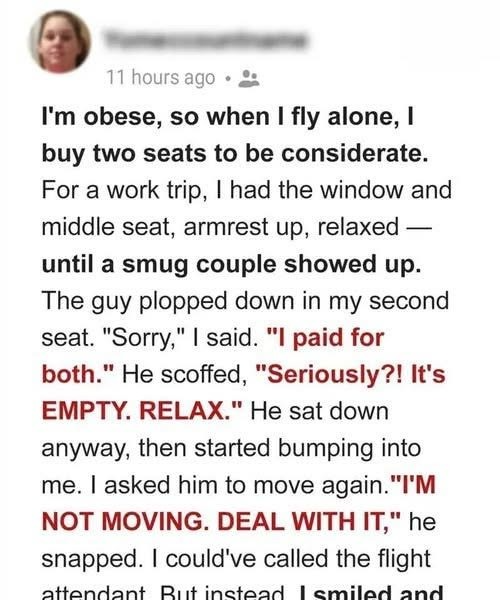
I’m Carly, and I’ve lived 32 years in a body the world constantly comments on. I’m obese, not the kind where people use cute nicknames — the kind where strangers feel entitled to judge what’s in my grocery cart or shame me for existing in public spaces. That’s why when I fly alone, I always buy two airplane seats. Not for luxury — for peace. On a recent work trip, I paid $176 for an extra seat so I wouldn’t spend three hours pressed against someone glaring at me. I boarded early, settled into my window and middle seats, and tried to relax. That’s when a couple showed up — him smug, her sparkling — and plopped right into my extra seat. “Sorry,” I said, “I paid for both seats.” They laughed. “Seriously?
You bought two just for you?” “Yes.” “Well, it’s empty,” he said, ignoring me and sitting down. His girlfriend chimed in, “It’s not a big deal. You’re being a fat jerk.” Their words stung, but I smiled. “Fine. Keep the seat.” Once we were airborne, I pulled out a giant bag of chips and made very sure I claimed every inch of space I’d paid for — jostling him, bumping elbows,
taking up space unapologetically. He finally snapped and called over a flight attendant. She checked the records and confirmed: I owned both seats. He was ordered back to 22C. As he stomped away, his girlfriend hissed, “You really needed two seats just for being fat?
Pathetic.” I calmly reported her comment to the flight crew. The attendant took it seriously and filed a harassment report. When we landed, I made sure the airline had it in writing. Days later, I got an email: the couple had been flagged, and I was credited 10,000 bonus miles for the mistreatment. That flight reminded me of something important: people like me are constantly told to shrink, to make ourselves invisible. But I paid for my space — and I deserve to exist in it fully. And next time someone tries to shame me out of it? I’ll be ready.
Sleeping with the wrong person can have deeper effects than it may seem in the moment. What might start as a brief experience can sometimes lead to feelings of regret, confusion, or emotional hurt—especially if the connection lacks respect, trust, or clear intentions.
Beyond personal feelings, these situations can also affect social dynamics. Misunderstandings, broken boundaries, or unclear expectations can create tension in friendships or social circles. In some cases, it may lead to unnecessary drama or complications that could have been avoided with clearer communication and self-awareness.
There are also important physical health considerations. Intimacy always carries some level of risk, including sexually transmitted infections or unplanned pregnancies, even when precautions are taken. Being informed, responsible, and mindful of these risks is an essential part of protecting your overall well-being.
Ultimately, experiences like these can influence how you view yourself and future relationships. That’s why it’s important to value yourself, set boundaries, and make choices that align with your emotional and personal needs. Healthy connections are built on mutual respect, honesty, and genuine care—not just momentary attraction.
The joke landed like a punch to the throat. Two days later, bullets flew toward Donald Trump, and suddenly Jimmy Kimmel’s “expectant widow” line wasn’t just late-night snark—it was a national scandal. Trump raged. Melania broke her silence. Viewers demanded blood, apologies, firings. And then, under the glare of live TV, Kimmel finally answered, turning the controvers…
Kimmel’s on-air response tried to live in the gray area America no longer believes exists. He acknowledged the timing was awful, but insisted the joke was about power and age, not death or destiny. He reminded viewers he’s spent years attacking gun culture, not cheering it on, and refused to accept that a punchline pulled the trigger. At the same time, he pushed back on the demand for his public execution, arguing that Trump has normalized cruelty, dehumanizing language, and fantasies of violence in a way that dwarfs any late-night monologue.
What lingered wasn’t just the joke, but the feeling that the country can no longer tell where satire ends and danger begins. Melania’s fear, Trump’s fury, Kimmel’s defiance, and the audience’s unease all collided into one question: when words can echo gunshots, who do we ask to lower their voice first?
I had been away on a three-week work trip to Denver when I received a message from a neighbor saying that construction crews had been working near my lakefront property at Lake Waverly. At first I assumed the homeowners association was completing maintenance on a nearby common area. When I finally returned home, however, I was surprised to find a large wooden dock extending toward the shoreline beside my property. Because I had spent my career as a structural engineer before retiring, I immediately recognized that the project appeared unusual and deserved a closer look.
After reviewing my property records and surveying the area, I noticed that the new structure seemed to extend into land associated with my lot rather than a designated community space. Instead of reacting emotionally, I gathered the information I already had available, including my property deed, previous survey documents, and security camera footage recorded while I had been away. I wanted to understand exactly what had happened before making any accusations or taking further action.
I contacted the homeowners association and asked for an explanation. The newly elected board president, Lorraine Haskin, explained that the dock had been approved as a neighborhood improvement intended to benefit residents. While I appreciated the desire to improve community amenities, I remained concerned because I had never received any notification, request for permission, or documentation regarding construction near my property.
Discover more
European travel guides
Family budget tools
Divorce
Rather than allowing the disagreement to become personal, I requested copies of the project approvals, construction plans, and any permits that had been obtained. When those records were not immediately available, I decided it was appropriate to contact the county zoning office for clarification. Local officials agreed to review the situation and determine whether all required procedures had been followed.
County zoning officer Jasmine Riley visited the property and conducted an inspection. Soon afterward, environmental officials also reviewed the project because portions of the shoreline were subject to additional regulations. Their review focused entirely on whether the proper applications, permits, and environmental requirements had been satisfied before construction began.
Discover more
Birthdays & Name Days
Home Building Services
Travel insurance plans
As the inspection continued, officials determined that several administrative questions required additional investigation. Records related to project approvals and community finances were reviewed to ensure that association funds had been used appropriately. Independent investigators examined contracts, invoices, and payment records to verify that everything matched the association’s official documentation.
During that review, auditors reportedly identified financial discrepancies that extended beyond the dock project itself. Several payments connected to community improvement projects required further explanation, leading investigators to expand their examination of association records. At that point, the matter shifted from a neighborhood disagreement to a formal financial review handled by the appropriate authorities.
To ensure my own interests were properly represented, I retained attorney Sarah Mercer, who organized my documents and communicated directly with investigators. Rather than speculating about anyone’s intentions, we focused entirely on verified records, timelines, photographs, and official documents. My goal was simply to protect my property rights while allowing the legal process to determine the facts.
Discover more
Marriage
wedding
Memory keeping journals
Over the following months, investigators completed a comprehensive audit of the homeowners association’s financial records. According to official findings, several accounting irregularities required corrective action, and leadership changes were ultimately made within the association. An interim management panel was established to oversee finances, improve recordkeeping, and restore confidence among residents while long-term governance reforms were considered.
The association later adopted new policies requiring greater financial transparency, detailed reporting for major expenditures, and broader homeowner participation before significant construction projects could move forward. Residents generally welcomed the changes because they provided clearer oversight and improved communication throughout the community.
Once the matter had been fully resolved, materials from the dismantled dock were donated to a local nonprofit organization that builds accessible outdoor recreation features for veterans and individuals with mobility challenges. Seeing those materials put to positive use brought an encouraging conclusion to an otherwise stressful experience.
Looking back, the most valuable lesson was the importance of patience, documentation, and following established legal procedures. Property disagreements can be emotional, but careful recordkeeping, respectful communication, and cooperation with the appropriate authorities often lead to better outcomes than confrontation. In the end, our neighborhood emerged with stronger governance, clearer policies, and a renewed commitment to transparency, allowing everyone to focus once again on enjoying the peaceful lakefront community we all valued.
The gleaming dark green finish of my brand-new CR-V was more than just fresh paint. It represented four years of careful saving, skipped vacations, and countless packed lunches. Driving it home that Friday afternoon felt like reaching a personal milestone after years of hard work.
I looked forward to sharing that moment with my family, never imagining that an unexpected incident would turn a joyful day into one I would never forget.
Family history research
To understand how things reached that point, it’s important to know that my sister, Kelsey, and I had very different views on parenting. She preferred a relaxed, child-led approach that encouraged her ten-year-old son, Jeremy, to learn through experience, while I believed children benefit from clear rules and consistent boundaries.
Our conversations about parenting had always been friendly but often ended with us agreeing to disagree. Although we respected each other’s opinions, those differences gradually created tension within the family, setting the stage for an unfortunate misunderstanding that would test our relationship in ways neither of us expected.
The tension boiled over during a small celebratory gathering at my apartment. Jeremy had been unnervingly quiet all evening, sitting in the corner with a private, smug smile that I should have recognized as a warning sign. The silence was shattered by the frantic wail of a car alarm. I sprinted outside to find a scene that looked like something out of a nightmare.
Discover more
Divorce
marriage
Family budget tools
Jeremy was in my driveway, swinging a wooden baseball bat with rhythmic, calculated precision. The hood of my dark green dream was a topography of dents, and the windshield was a spiderweb of shattered glass.
But the most chilling part wasn’t the child with the bat; it was the mother on the steps. Kelsey was watching the destruction with an expression of pure, unadulterated delight.
When I screamed for him to stop, she didn’t reprimand him. She actually encouraged him, telling me that Jeremy was just “exploring his environment” and that I shouldn’t be so dramatic because “it’s just a car.” In that moment, the veil lifted. This wasn’t about parenting styles. This was about a deep-seated, corrosive jealousy. Kelsey was driving a beat-up sedan, and she had weaponized her son to punish me for my success. She told me to my face that maybe I’d learn not to “show off” next time.
I didn’t yell. I didn’t cry. I felt a cold, crystalline calm settle over me—the kind of stillness that precedes a devastating storm. I walked around the wreck of my car, systematically photographing every dent, every scratch, and every shard of glass.
I even took a photo of Jeremy grinning with the bat over his shoulder like he’d just hit a home run. Kelsey thought I was being “dramatic.” She thought this would be another incident that would be smoothed over by family ties and her usual excuses. She was wrong.
Family history research
Discover more
Group tour packages
Special Occasions
People & Society
I spent the next hour in my apartment while my guests sat in a horrified silence. I gathered repair estimates from every reputable shop in the city. The figures were staggering—enough to make my mother go pale when I showed them to her. I printed the estimates and slid them across the table to Kelsey.
When she pushed them back and told me to pay for it myself because I had a “good job,” I simply nodded. I knew exactly what I had to do. My sister had forgotten one crucial detail: she was currently in the process of trying to buy a house, and because her credit was in the gutter, she had begged me to be her co-signer.
The next morning, the “gentle parenting” era met the “consequences” era. My first call was to the bank. I withdrew my name from her mortgage application, effectively killing her chance at the three-bedroom home she’d been obsessing over for months. My second round of calls was to our extended family members who had been planning to contribute to her down payment.
Family history research
I didn’t exaggerate or lie; I simply sent them the photos of the car and the repair estimates. I let them see the “agency” Kelsey was so proud of. Predictably, the funding vanished within forty-eight hours.
Kelsey arrived at my door days later, her breezy confidence replaced by red, puffy eyes and a desperate rage. She accused me of “ruining her life” over a piece of metal. I invited her in and showed her the photos again. I explained that she had taught her son that destroying property was a game, and now she was going to teach him what happens when you have to pay the bill.
Discover more
Family
Party & Holiday Supplies
Estate planning services
I gave her an ultimatum: fix the car or I would take the evidence to the police and file a formal report for vandalism and contributing to the delinquency of a minor.
The fallout was swift. To cover the repair costs and avoid legal action, Kelsey was forced to sell the one thing she and Jeremy actually loved—their small camping trailer. It was the only asset she had left.
Watching her son stand in the driveway as a stranger towed away his favorite summer tradition was a brutal lesson, but it was a necessary one. She had shielded him from the world for ten years, and in one week, the world had finally pushed back.
My CR-V eventually came back from the shop, looking as pristine as the day I bought it. A few weeks later, I found myself picking Jeremy up from school when Kelsey was “under the weather.”
The boy who had once treated the world as his playground sat in my passenger seat with a newfound, quiet hesitation. He ran his hand along the dashboard, looking at the seamless windshield he had once shattered. He told me he didn’t realize cars cost that much money.
In that quiet moment on the highway, Jeremy offered the first real apology I had ever heard from him. It was a clumsy, strangled “I’m sorry,” but it was genuine. He had finally realized that his actions didn’t just exist in a vacuum of “development”—they had real-world costs that hurt the people around him.
As I dropped him off at Kelsey’s house and watched her watching us from the porch, I realized that I hadn’t just gotten my car back. I had broken the cycle of a toxic lie. Jeremy learned that respect is earned, and Kelsey learned that “gentle” is no excuse for “negligent.” The car was fixed, but the lesson was permanent.