A note appeared on our windshield one quiet morning, boldly declaring: “One car per house!”
My husband and I stared at it in disbelief. We lived on a peaceful suburban street where parking had never been an issue, and both of our cars were legally registered and parked as usual. At first, we just laughed it off, assuming it was a cranky neighbor playing a joke or venting some random frustration. We tossed the note aside and carried on with our week, thinking that was the end of it.
The Tow Trucks Arrive
Three days later, the humor vanished completely. We heard the roar of heavy engines outside our house. Looking through the window, we were shocked to see a tow truck lifting my car, while another prepared to hook up my husband’s.
We ran outside to demand what was happening. The driver explained that a formal complaint had been filed claiming our cars were parked illegally. I glanced across the street and spotted our neighbor standing on her porch. Her arms were crossed, and she was wearing a proud, satisfied smirk. Her handwriting matched the note perfectly—it was instantly clear she had orchestrated this whole setup.
A Costly Mistake for a Smug Neighbor
I approached her calmly, keeping my composure, and revealed a crucial detail she hadn’t considered: both of our cars were company vehicles, legally registered with commercial tags.
I politely explained that the improper towing of commercial vehicles can result in massive compensation claims for damages, lost business, and heavy legal fees. Her confident smirk faltered instantly. I added that my employer’s legal team would be handling the matter, and any wrongful towing claim would be fully investigated.
Hearing this, the tow truck drivers immediately stopped what they were doing and made some urgent phone calls. Within minutes, both cars were carefully lowered back onto the street.
My neighbor silently retreated indoors, her pride completely shattered. Later, my employer confirmed the situation was resolved without needing further legal action. That morning taught us a simple but powerful lesson: patience, knowledge, and clear communication can defuse even the most smug assumptions. Sometimes, cold hard facts speak much louder than anger!
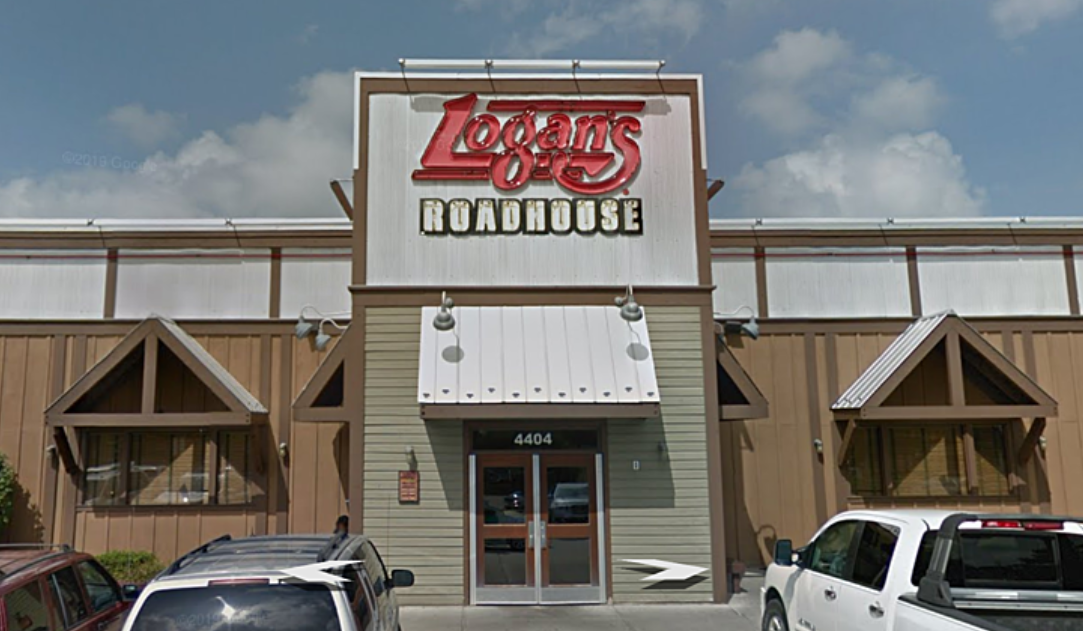
The beloved American steakhouse chain shocked many when it suddenly closed all 261 of its corporate-owned locations and laid off nearly 18,000 employees. The closures came after the company faced severe financial struggles, including issues with misappropriated sales tax funds, which further complicated its operations and threatened its survival.
Logan’s Roadhouse – Despite these challenges, the chain was acquired by SPB Hospitality, which purchased the CraftWorks portfolio—including Logan’s Roadhouse—out of bankruptcy. Under new ownership, the company has reopened many locations and continues to operate successfully, serving its signature mesquite-grilled steaks, hearty sides, and classic American fare.
As of 2025, it maintains 135 locations across 22 states, remaining a favorite among fans of casual dining and steakhouse cuisine. The closures marked a pivotal moment in the restaurant industry, highlighting the vulnerabilities of large chains when facing financial mismanagement and operational pressures.
Thousands of employees were suddenly left without jobs or benefits, drawing attention to the human impact of corporate struggles. Since its revival, Logan’s Roadhouse has adapted its business strategies, improved operations, and focused on maintaining its brand identity. Its ability to rebound reflects both the resilience of the chain and the enduring popularity of its menu offerings. Today, the restaurant continues to attract loyal customers, providing a familiar and comforting dining experience across multiple states.
Naturally, large household appliances such as heating and cooling systems, water heaters, refrigerators, and washing machines require more power than smaller devices. However, it is often our usage habits that drive up the cost. Inefficient settings, poor maintenance, or frequent suboptimal use can quietly increase consumption. For example, running frequent, small loads in the washing machine uses disproportionately more water and energy than waiting for a full load. Similarly, leaving the refrigerator door open too long while deciding what to eat, or allowing condenser coils to become dirty, forces the compressor to work overtime. In heating and cooling systems, clogged air filters restrict airflow, making the equipment work much harder to maintain a comfortable temperature.
Energy & Utilities
Practical Steps for Mindful Energy Efficiency
You do not need to live in the dark or give up modern conveniences to save energy. Small, consistent steps can yield beautiful results. To combat phantom power, consider using smart power strips with an on off switch for entertainment centers and home offices. This allows you to cut power to multiple devices at once with a single flick, completely eliminating standby drain. On laundry day, wait until you have a full load before running the washer, and opt for cold water whenever possible. This saves significant water and the energy required to heat it, while also being gentler on your clothes. In the kitchen, keep the refrigerator door closed as much as possible and ensure there is adequate ventilation around the appliance. This helps the fridge maintain its temperature efficiently without overworking the motor. For general home maintenance, check and clean HVAC filters and appliance vents every one to three months. This simple habit improves air quality, extends the lifespan of your appliances, and lowers monthly energy demands. Finally, transition to LED bulbs and make it a habit to turn off lights when leaving a room. LEDs use up to ninety percent less energy than incandescent bulbs and last significantly longer.
Addressing Common Concerns
Many people have questions about implementing these changes safely and effectively. It is perfectly safe and highly recommended to unplug small electronics like chargers, toasters, and lamps when not in use. However, appliances that require a constant power supply for safety or function, such as refrigerators, freezers, or medical equipment, should remain plugged in. Regarding power strips, advanced or smart models can detect when a main device like a television is turned off and automatically cut power to peripheral devices like soundbars or gaming consoles, completely eliminating phantom power draw and saving money. While savings vary by household, the Department of Energy estimates that phantom power can account for five to ten percent of residential energy use. Combined with efficient appliance use, these small, consistent adjustments can lead to noticeable and meaningful reductions in your monthly bill. Even if you rent your home, you can absolutely make a difference. Many of the most effective habits require no permanent changes to the property and are entirely within your control.
Psychology
A Compassionate Conclusion
If you are reading this and feeling a twinge of guilt about past electricity bills or the number of chargers currently plugged into your walls, please take a slow, deep breath and offer yourself a moment of grace. Awareness is the first step to change. The fact that you are looking for ways to improve means you are already on the right path, being mindful of your resources, your home, and your impact on the world. Remember to prioritize progress over perfection. You do not need to overhaul your entire lifestyle overnight. Start with one small change, like plugging your television setup into a power strip or committing to cold water washes. Small, gentle shifts compound into massive results over time. Your comfort still matters, as energy efficiency is about working smarter, not harder, so that your home remains a warm, welcoming, and functional sanctuary without the stress of inflated costs. Give yourself grace for the learning curve, as letting go of the always on mentality is a modern adjustment that requires patience. Those silent energy thieves do not have to win. They are simply an invitation to pause and observe, an opportunity to care for your home a little more intentionally, and a gentle reminder that you have the power to create a more sustainable, peaceful, and cost effective living space. The next time you leave a room or finish a task, flick the switch on the power strip, close the refrigerator door with intention, and enjoy the quiet satisfaction of a home that is running smoothly, efficiently, and thoughtfully. If you have a favorite, simple habit for keeping your household energy use in check, or a resourceful trick that helps you maintain an efficient, peaceful home, consider sharing your practical wisdom and gentle tips with others.
If you toss a damp towel onto the floor or leave it crumpled in a corner, it can stay wet for hours.
Instead, hang towels so air can circulate around them.
Bath mats should also be allowed to dry thoroughly between uses and washed regularly according to their care instructions.
A towel that dries quickly contributes far less moisture to the room than one that remains damp all day.
5. Watch for Persistent Dampness
A bathroom shouldn’t remain humid indefinitely after a shower.
Pay attention to warning signs such as:
Condensation that keeps returning
Peeling or bubbling paint
Persistent musty odors
Dark discoloration around grout or caulking
Damp walls or ceilings
Materials that remain wet long after showering
These signs don’t necessarily mean you have a major mold problem.
But they can indicate that the bathroom isn’t drying effectively.
If moisture keeps returning despite normal ventilation, there may be an underlying issue worth having a qualified professional inspect.
6. Consider a Humidity Monitor
Want to know whether your bathroom is actually drying properly?
A small indoor humidity monitor can give you useful information.
Instead of guessing whether the room is too damp, you can observe how humidity changes during and after showers.
If humidity remains unusually high for extended periods, that may be a sign that your ventilation system needs attention.
Why Bathroom Moisture Matters
Mold and mildew aren’t caused by one steamy shower.
The bigger concern is repeated, persistent moisture.
When damp conditions continue over time, they can create an environment where mold can grow on suitable surfaces.
Excess indoor dampness can also contribute to unpleasant odors and damage certain building materials.
For people with allergies or asthma, exposure to indoor mold can be particularly troublesome.
That’s why moisture control isn’t just about keeping your bathroom looking clean.
It’s part of maintaining a comfortable indoor environment.
What About Opening the Bathroom Door?
This is where many people get confused.
Opening the door can help the bathroom dry in some circumstances, but it can also spread moisture into the rest of the home.
If your bathroom has effective outdoor ventilation, removing humid air from the house is generally preferable to simply distributing it throughout the home.
So whenever possible, prioritize an exhaust fan that vents outdoors or appropriate window ventilation.
A Simple Post-Shower Routine
You don’t need to turn your bathroom into a science experiment.
Just build a few habits into your routine:
Turn on the exhaust fan.
Keep it running after the shower.
Vent outdoors when practical.
Squeegee excess water from shower surfaces.
Hang towels so they can dry properly.
Watch for signs of persistent moisture.
That’s it.
A minute or two of extra effort can help your bathroom dry faster and reduce the conditions that allow moisture-related problems to develop.
The Bottom Line
Your hot shower isn’t secretly destroying your home.
But repeatedly allowing moisture to remain trapped in a poorly ventilated bathroom can eventually create problems.
The key is simple:
Don’t just clean the water away. Get the moisture out.
Use outdoor ventilation when possible, give your exhaust fan enough time to work, remove excess water from surfaces, and make sure towels and bath mats can dry properly.
These small habits won’t guarantee a mold-free bathroom, but they can help control one of the biggest factors behind bathroom moisture problems.
And sometimes, protecting your home really does come down to what you do in the few minutes after you turn off the shower.
Today, we’re going to talk about something that people don’t generally love to talk about: toilets. Like it or not, there are some important things to know when it comes to toilets. This is important since the toilet is something all of us use multiple times a day. Failing to flush the toilet properly can lead to some pretty disgusting contamination. So, this is definitely an important topic to cover.
Today reports that every time you flush your toilet, whatever you have deposited in the toilet is taken down the sewer pipes. Additionally, something super unpleasant called “toilet plume” is released into the air. Toilet plume is essentially a spray that contains microscopic bacteria, including E. coli.
Research reveals that the bacteria found in this spray can exist in the air for at least six hours. It can contaminate multiple surfaces in your bathroom, including your towels, Kleenex box, sink, toothbrushes, beauty products, and more. So, how can we prevent this disgusting reality from happening?
Every time you go to flush the toilet, put the lid down first. Closing the toilet lid decreases the possibility that this toilet plume will end up in the air throughout your bathroom. It can also potentially end up on other bathroom surfaces as well. If you’re in a public washroom where you don’t have the option of putting the toilet seat down, lean as far away from the toilet as possible after flushing, and thoroughly wash your hands immediately afterwards.
While the chances of you getting sick if you happen to not put the toilet lid down are low, it’s not really worth the risk. Toilet lids were invented for a reason. To keep your bathroom as germ-free as possible, it’s probably best to keep the lid shut before flushing. Seems like a pretty fair trade-off, if you ask me!
It’s funny how some of the simplest things in life can be so confusing until someone points them out. I still chuckle when I think about a family road trip we took when I was a kid. We were driving through these twisty roads, stopping at every little town that caught our eye. Every stop was an adventure—hunting for snacks, exploring tiny shops, and, of course, finding a bathroom.
Back then, my English wasn’t the best, especially when it came to abbreviations. So, when I walked into a small café and saw a sign that said “WC,” I was completely lost. I had no idea what it meant. Was it the café’s name? A secret code? My curious younger self couldn’t help but ask the café owner.
He laughed—a deep, hearty laugh that made me blush but also giggle along. “That, my dear,” he said with a wink, “is where you go when you need to… you know.” He made a little hand gesture that made everything clear. I turned bright red, but I laughed along with him, finally understanding that “WC” was just a sign for the restroom.
To this day, I can’t help but smile whenever I see those two letters. It’s become a bit of an inside joke with myself—a reminder that the answers to life’s little mysteries are often right in front of us. But here’s the funny part: even after that moment, I never really thought about what “WC” actually stood for until recently.
The Truth Behind the WC Sign
So, let’s talk about this famous “WC” sign. It’s something we’ve all seen, especially in public places like airports, gas stations, and restaurants. You see those two letters and know it’s pointing you to the bathroom. But what does “WC” actually stand for?
I didn’t think much about it until I stumbled upon a conversation online where people were debating it. It was one of those moments where you think, that EVERYONE knows this fact, but apparently, many people were just as clueless as I was back then. So, I decided to dig a little deeper to satisfy my curiosity.
It turns out that “WC” stands for “Water Closet.” Yep, that’s it—just two simple words that somehow became the global shorthand for a bathroom. But the story behind it is pretty interesting.
The term “Water Closet” dates back to the 19th century in England. Back then, indoor plumbing was becoming more common, but having a private bathroom inside your house was still a new idea. Before that, people used outhouses, which were separate from the main house and, let’s be honest, not the most pleasant places.
As plumbing improved, people started thinking about having a small room inside the house for, well, doing their business. These rooms were often tiny and enclosed, much like a storage closet. And since they had water for flushing, they were called “Water Closets.”
In England, the term stuck around, and eventually, the abbreviation “WC” became the standard way to indicate a bathroom. It’s a bit of an old-fashioned term, but for some reason, the abbreviation has stood the test of time and spread around the world.
What’s interesting is that while “WC” is recognized globally, it’s not universally understood. Depending on where you are, people refer to the bathroom in different ways. In the U.S., you’re more likely to see signs that say “Restroom” or “Bathroom.” In France, it’s “Toilettes,” and in Italy, it’s “Bagno.” But somehow, “WC” has become a universal symbol for a place where you can find a bit of relief, no matter where you are.
×PauseUnmuteFullscreen
Now Playing
I’ve seen it in hotels, airports, and even tiny, out-of-the-way cafes in the middle of nowhere. It’s a bit comforting, really—knowing that wherever you go, those two letters are there to guide you. It’s like a universal language, something that connects people across cultures and continents.
Why Are People Just Realizing This Now?
The funny thing about common knowledge is that it’s not always as common as we think. We go through life using terms and seeing symbols without ever really questioning them. But when we finally stop to ask, “Wait, what does that actually mean?” it can be a bit of a revelation.
For me, learning that “WC” stood for “Water Closet” was one of those lightbulb moments. It’s such a small thing, but it carries a little slice of history and reminds us how our language and customs evolve. It’s also a reminder to stay curious and never be afraid to ask questions, no matter how small or silly they might seem.
So the next time you see a “WC” sign, maybe you’ll think back to this little piece of trivia and smile, just like I do. It’s a small thing, but in a world full of big, complicated problems, sometimes it’s the small things that bring us the most joy. And who knows, maybe you’ll share this newfound knowledge with someone else, sparking their own little moment of realization. Because now, you know what that mysterious “WC” actually stands for—and that’s something worth remembering.
The ocean is a vast, powerful force that we need to treat with respect. It’s not always a bad idea to have a healthy fear of the ocean, as its magnitude and force is something that’s difficult to comprehend. A perfect example of the ocean’s power? A natural phenomenon called a cross sea.
If you’ve ever looked out at the ocean and noticed a bunch of square waves that almost look like a sort of grid, then you’ve witnessed a cross sea in action. A cross sea occurs when different weather patterns produce different wave systems that travel at opposite angles. Instead of the waves all travelling in the same or similar direction, these opposing waves form squares.
Although these waves may look peaceful and even surreal, they can actually be quite dangerous. Boats are designed to power through waves head on, but a cross sea doesn’t provide a boat with this option. Because the waves are coming from four different directions, they can very easily cause a boat to capsize.
Cross seas aren’t just dangerous for boats, either. They produce powerful riptides which have the potential to cause swimmers and scuba divers to drown. Although cross seas don’t happen all that often, it’s important to be able to recognize one so that you can protect yourself from their effects. We don’t need to be terrified of the ocean, but we need to have a healthy respect for mother nature — in all of her different forms.
Long before the ceilings fans lazily spun overhead or thermostats clicked into life, there was a simpler—economical, in fact—way that churches kept people cool during summer services. If you’ve ever been curious to notice a notch or slot bored out of the back of an older wooden pew, like in an older cathedral or chapel, you weren’t hallucinating. Those cut-outs had a specific purpose: they were for vintage church fans.
Industrial Materials & Equipment
The Good Old Days Before A/C
A long time ago, far before central air top became commonplace comfort, it was no easy task to remain cool during a hot and steamy sermon. Churches overwhelmed with worshippers in every pew, in their Sunday best, could become stifling hot, especially during summer revivals or midday services.
Although windows could be (and often were) opened, and paper programs could be employed in a pinch, one preferred option emerged. It was both practical and iconic: the hand fan.
Not just any hand fan. Vintage hand fans meant a very similar, seemingly planner cardboard rectangle fastened to a wooden stick. They had a colorful printed graphic on them that may or may not have bore religious imagery, scenic landscapes, or advertisements for local funeral homes and businesses. They were inexpensive, light, effective, and even in no poorly late 1800’s to early 1900’s church. These churches were distributing hand fans across every pew every Sunday morning.
If you look again closely at older pews, you may notice a U- or rectangular notch bored out in the upper backrest; nibbled away, in fact. It might be mistaken for damage because of wear-and-tear. However, these slots were purposefully cut to act as receptacles for the hand-held fans.
Fans were organized into these slots before services began. This ensured every parishioner had one within easy reach. No need to bring your own or hunt for one, as it became part of the church experience. As the preacher began to preach long and the sun spilled through the stained glass, a tide of fans would pop up in unison. This provided a gentle, steady breeze in the sanctuary.
A Cultural Artifact of Simplicity
Today, vintage church fans are highly collectible items. They provide snapshots of a time when frugality mingled with tradition. Some fans included portraits of Jesus or verses of scripture. Others promoted local businesses, while providing them with advertisement. Funeral homes offered many fans since they were seen so frequently in Southern churches and rural congregational communities. These fans were everywhere.
Places of Worship
They served a purpose other than cooling. Children would play with them. Elders would clutch them tightly as a sermon intensified. And after the service, whenever possible, they would be put back into their slot neatly.
With the introduction of modern air conditioning, these simple fans have become primarily obsolete. The cutouts that once provided utility have faded from memory. Now, many people look at these pew slots and wonder what they were for. But anyone who sat fanning themselves through a sticky hot July sermon will easily recognize these little symbols of church life of yesteryear.
Even with new technology changing how we meet, gather, worship, and stay comfortable, little pieces like this remind us of a time when people made do with less. People were at least trying to be graceful about it, while fanning themselves with a sheet of cardboard that had started out as a business card.
The Charm Lives On
You don’t see them often, but every now and then you might see one behind glass on a wall somewhere, or in a vintage store for sale. You may still see an old pew in a historical church with a notch cut out of the front. Now you will know what it was used for. You may just be a little cooler with the memory.
Packaging
Because sometimes a cardboard fan and a notched cut out evokes the best memories of the good old days.
Knowing when broccoli goes bad usually starts with a small moment of doubt at the fridge. Mine came a few weeks back, digging around the crisper for something else entirely and finding a half-forgotten bag shoved to the very back. I did the classic move: squint at it, give it a cautious sniff, poke the stem. Was it fine? Kind of borderline. The good news is that broccoli is honest. It sends clear signals before it’s truly done for. Four things tell you almost everything you need to know: color, smell, texture, and mold. Learn those and you’ll rarely toss a good head or eat a bad one.
The Color Change: Yellow, Then Brown
Fresh broccoli is deep, confident green. That’s your baseline. The first sign it’s slipping past its prime is yellowing florets, where the tight green buds start fading to a pale, sickly tawny color.
Video Muted
A little yellowing doesn’t automatically mean the trash. It usually means quality is dropping. The flavor fades and can turn bitter, so it’s a use-it-soon nudge rather than a hard stop. I’ll still roast lightly yellowing broccoli if that’s the only thing off about it.
Brownish or blackish spots on the florets are a further stage of decline. Small, scattered discoloration is different from widespread change. If just a corner looks off, you can often trim it and cook the rest. But when the yellow and brown spread across most of the head, especially alongside a soft stem or a funky smell, that’s your cue to let it go.
The Smell Test (Trust Your Nose)
Your nose is honestly the most reliable tool here. Fresh broccoli smells faintly grassy, almost neutral. Nothing dramatic.
Broccoli that has gone bad develops a strong, sulfurous, unpleasant odor. Think eggy and sour, the kind of smell that makes you pull your head back a little. If you get that, it’s a clear toss signal even if the color still looks acceptable.
Here’s the practical tip I lean on: give it a sniff before you cook, not after. Heat concentrates that sulfur smell, so a head that seems only mildly off raw can turn genuinely awful once it hits a hot pan. Ten seconds of sniffing at the counter saves a ruined dinner.
Grab the stalk and squeeze. A firm, sturdy stem means the broccoli is still in good shape. A soft, limp, or rubbery stem tells you spoilage is starting to set in.
Check the cut end too. As broccoli ages, the cut end of the stalk goes dry, looking parched, whitish, or cracked. On its own that’s just a sign of age, not danger, and a fresh trim off the bottom often helps.
Slime is the deal-breaker. If the florets feel filmy or slippery, that’s bacterial breakdown, and no amount of rinsing fixes it. Throw it out.
So how much softness is recoverable? Slightly limp broccoli that still smells fine can often be revived. Drop the stalks into a bowl of ice water for 20 to 30 minutes and the florets perk back up as they rehydrate. Slimy broccoli cannot be saved that way, and you shouldn’t try.
Mold Means Toss It
White, black, or fuzzy patches are mold, plain and simple. When you see fuzz on broccoli, discard the whole head, not just the visible spot. Broccoli is soft and holds a lot of moisture, so mold spreads through it in ways you can’t see. Cutting the fuzzy bit off the way you might with a hard cheese doesn’t make the rest safe.
Don’t confuse mold with a harmless pale bloom or plain discoloration that isn’t fuzzy. Real mold has texture and lift to it. When you genuinely can’t tell, the old rule holds up: when in doubt, throw it out.
How Long Broccoli Lasts and How to Store It
Raw broccoli keeps roughly three to five days in the crisper drawer. Cooked broccoli lasts a few days in an airtight container in the fridge. If you want months instead of days, freezing is the move, but blanch it first so it keeps its color and texture.
Storage that actually buys you time comes down to airflow. Raw broccoli wants a little breathing room, not a tight seal. Sealing it airtight traps moisture and speeds up the slimy decline.
My own habit is to wrap the head loosely, either in a paper towel inside an unsealed bag or just tucked into the crisper without cinching anything shut. Keep it dry too. Washing broccoli before storage tends to invite that early slime, so I rinse right before cooking instead. Same principle I use for other quick-spoiling produce, like knowing when bagged lettuce is past fresh.
Weigh the signs together. One minor issue, a little yellow or a slightly limp stalk, usually just means eat it soon. Stack that with a sour smell, slime, or fuzzy mold, and it’s trash-bound with no debate.
Honestly, the whole check takes about ten seconds at the sink: a quick sniff, a squeeze of the stem, a glance at the florets. Do that before you cook and you’ll almost never guess wrong.
As textile work flourished throughout medieval Europe, the design and materials of the thimble began to evolve. Artisans adapted their creations using leather, wood, and various metals to accommodate new fabrics and finer stitching techniques. By the fourteenth century, the German city of Nuremberg emerged as a major hub for thimble production. Skilled metalworkers there perfected the art of casting brass thimbles, earning a reputation that would endure for generations.
Eventually, the thimble transcended its purely functional origins. During the seventeenth and eighteenth centuries, it became a fashionable accessory among the European elite. Wealthy families commissioned ornate pieces crafted from silver, gold, and enamel, often intricately engraved with initials or delicate floral patterns. These beautiful objects were frequently gifted as tokens of love and friendship or included in dowries as cherished keepsakes. What began as a mere tool had transformed into a profound symbol of refinement, creativity, and social status.
CULTURAL FOOTPRINTS AND LITERARY KISSES
Although sewing is the craft most closely associated with thimbles, their utility extended far beyond the needle. Craftspeople across various trades, including bookbinders, lace makers, and leatherworkers, relied on them for precision and finger protection. Over time, the thimble also wove its way into folklore and cultural symbolism. In literature, James Matthew Barrie immortalized the thimble in Peter Pan, where Wendy famously gives Peter a thimble to represent a kiss, turning the simple object into a gesture of tenderness and imagination.
Decades later, in the early twentieth century, the thimble became an icon of everyday domestic life when it was chosen as one of the original playing pieces for the board game Monopoly. This tiny tribute highlighted its ubiquity in the home, representing not just the act of sewing, but the quiet industriousness of daily life.
THE MODERN COLLECTOR PURSUIT
Today, thimbles have transitioned from everyday tools to highly coveted collectible items. Antique and vintage pieces hold immense historical and artistic value, offering a fascinating window into the aesthetics of earlier eras. Collectors often specialize in specific themes, focusing on unique materials such as porcelain, sterling silver, pewter, or bone china. Others curate collections based on time periods, ranging from intricate Victorian designs to sleek Art Deco styles, or focus on regional craftsmanship from England, Germany, Russia, and Asia.
Some thimbles were created to commemorate historic events, royal occasions, or notable manufacturers, effectively transforming a simple sewing aid into a storytelling artifact. For enthusiasts, destinations like the Fingerhut Museum in Creglingen, Germany, serve as a pilgrimage site. Housing thousands of thimbles from across centuries and cultures, the museum celebrates how such a small item can reflect vast historical and artistic trends.
CONTEMPORARY CRAFTSMANSHIP
In our modern world driven by machines, the thimble remains an enduring symbol of craftsmanship and patience. While fewer people sew entirely by hand, many artisans, quilters, and embroidery enthusiasts still treasure the tactile connection that the thimble provides. Contemporary designers continue to innovate, crafting thimbles from ceramic, resin, glass, and even utilizing modern three dimensional printing techniques. Some feature minimalist modern patterns, while others lovingly reimagine classic Victorian motifs. Whether used functionally in quilting or displayed as standalone art, these modern thimbles represent a beautiful balance of heritage and contemporary creativity. They stand as proof that even in an age of advanced technology, the appeal of handmade artistry continues to thrive.
A SMALL TOOL WITH A MASSIVE IMPACT
Thimbles may be tiny in size, but their historical footprint is immense. Over millennia, they have evolved from simple bronze protectors to exquisite objects of beauty, status, and storytelling. They have guarded the hands of countless seamstresses, symbolized affection in classic literature, and inspired dedicated collectors around the globe. In every sense, the thimble is a testament to how the smallest tools can leave the most significant imprints on our culture.
The next time you encounter one, whether tucked away in a vintage sewing kit or shining brightly in a display case, take a moment to appreciate its quiet legacy. This little cap of metal or porcelain carries within it centuries of craftsmanship, creativity, and human connection, reminding us that beauty often lies in the smallest of details.







 Now Playing