Blog

  • Marcia Brady Left Nothing To The Imagination – Try Not To Gasp!

    Marcia Brady stunned longtime fans after stepping onto the set of a glamorous television reunion wearing an outfit that immediately became the center of attention. What was meant to be a lighthearted celebration of classic television quickly transformed into the evening’s biggest talking point, with guests unable to stop discussing her bold sense of style and effortless confidence.

    Throughout the event, she remained poised and cheerful, greeting cast members, sharing memories from years past, and laughing with the audience. While many expected a nostalgic appearance, her modern fashion choice surprised everyone in attendance and sparked conversations about how timeless television icons continue to reinvent themselves decades after their most famous roles.

    Behind the scenes, the wardrobe selection had been carefully planned to reflect confidence, elegance, and a fresh perspective rather than simply recreating the past. Those involved with the production explained that the goal was to celebrate personal growth and remind viewers that classic stars can embrace new styles while still honoring the legacy that made them household names.

    As the special aired, entertainment programs devoted entire segments to discussing the memorable appearance. Fashion experts praised the confidence behind the look, while fans revisited favorite moments from the beloved series and celebrated the enduring popularity of one of television’s most recognizable characters. The conversation soon shifted from surprise to appreciation for her lasting influence on pop culture.

    By the end of the reunion, it was clear that the appearance had accomplished exactly what its creators intended: it reignited interest in a beloved television icon while introducing her to a new generation of viewers. Rather than being remembered for a single outfit, the event became a celebration of confidence, charisma, and the lasting legacy of a character who continues to capture the public’s imagination.

    Interesting For You

  • When She Was 3 Years Old, She Was Named “The Most Beautiful Girl in the World.” Wait Till You See What She Looks Like Today, at 17 Years Old

    At just three years old, a young girl captured worldwide attention after a children’s lifestyle magazine gave her the unofficial title of “the most beautiful girl in the world.” What began as a simple photo feature quickly turned into an extraordinary journey, bringing invitations from modeling agencies, television producers, and fashion brands eager to work with the rising child star.

    Growing up in the public eye was not always easy. While millions admired her striking appearance, her family worked hard to ensure she experienced a normal childhood away from cameras whenever possible. They limited interviews, encouraged her to focus on school, and reminded her that kindness, character, and education mattered far more than internet fame.

    As the years passed, she gradually returned to the spotlight on her own terms. By the time she reached her teenage years, she had developed interests beyond modeling, including photography, art, and charitable work with children’s organizations. Instead of chasing constant publicity, she chose projects that reflected her own personality and values.

    At seventeen, she had transformed into a confident young woman whose success was built on more than childhood recognition. Fashion designers praised her professionalism, while those who worked with her described her as humble, disciplined, and appreciative of the opportunities she had been given. Her greatest achievement, however, was creating an identity separate from the label that had followed her since infancy.

    Today, she continues to inspire young people by proving that early fame does not have to define an entire life. Although many still remember the title that made her famous, those closest to her believe her determination, maturity, and compassion are the qualities that truly set her apart as she looks toward an even brighter future.

    Interesting For You

  • A Childhood Photo Album Revealed a Long-Hidden Family Secret That Changed Everything

    For most of my life, I believed I understood my mother’s quiet world. She raised me alone in a small Texas home, rarely speaking about the past or sharing stories about our  family. After she passed away, I planned to sell the house as quickly as possible and move on. While cleaning out the attic with my wife, however, we discovered an old photo album that would completely change everything I thought I knew.

    Family

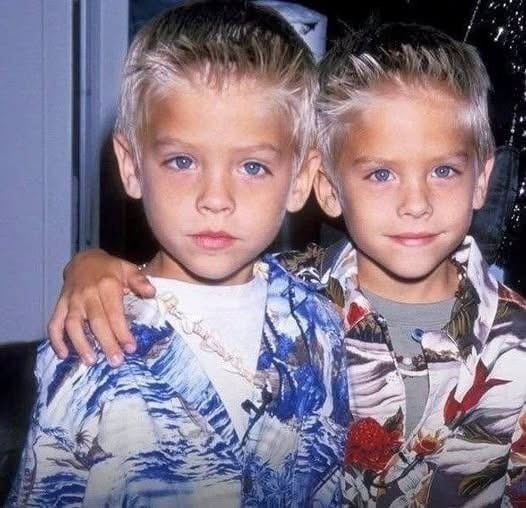
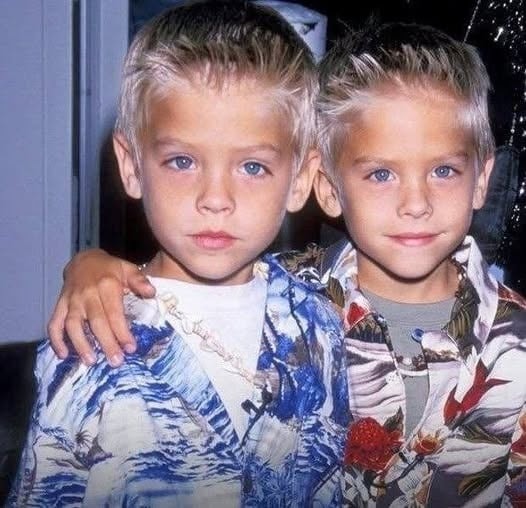
    The album was filled with familiar childhood pictures, but one loose photograph caught my attention. It showed my mother holding two little boys instead of one. I immediately recognized myself as one of the children, yet the other boy looked almost identical to me. On the back of the faded photo were just three words and a date: “Ben and Ronnie.” I had never heard the name Ronnie before.

    The discovery left me with countless questions. Growing up, my mother had never mentioned having another child, and we had almost no contact with extended relatives who might have known the truth. My wife encouraged me to keep searching before making any decisions about selling the house. For the first time in years, I felt compelled to understand the silence that had surrounded my childhood.

    I carefully searched through old boxes, filing cabinets, and drawers until I uncovered a collection of hospital documents from the year I was born. The records revealed that my mother had given birth to twin boys. I stared at the paperwork in disbelief as I realized that Ronnie was not simply a relative or family friend—he was my twin brother.

    Additional medical records explained that Ronnie had been born with serious neurological conditions requiring specialized, around-the-clock medical care. At the time, my mother had been facing overwhelming financial and personal challenges while raising children alone. The documents suggested that doctors recommended long-term professional care for Ronnie, a decision that must have been unimaginably painful for her.

    Determined to learn more, I contacted the medical facility listed in the records. After completing the necessary paperwork and speaking with staff, I was able to confirm that Ronnie had spent most of his life receiving specialized care. The employees spoke kindly about him and shared that he enjoyed music, familiar faces, and simple daily routines.

    One longtime caregiver remembered my mother visiting from time to time over the years. She explained that my mother often preferred quiet visits and rarely stayed long, but it was clear she cared deeply about Ronnie’s well-being. Hearing this offered a different perspective on the woman I had known. While it did not erase the years of unanswered questions, it suggested that love and hardship had existed side by side.

    When I finally met Ronnie, the experience was deeply emotional. Although life had taken us on completely different paths, there was no denying the family resemblance. Looking into his face felt like looking into another version of myself. Years of separation suddenly became real, and I realized how much of our shared story had been missing.

    Family

    After many conversations with my wife and the care team, we decided to become a more active part of Ronnie’s life. We worked closely with medical professionals to understand his needs and created a plan that would allow him to spend more time with family while continuing to receive the support and care he required. It was the beginning of a relationship neither of us had ever been given the chance to experience.

    As the months passed, our home slowly filled with new routines. Ronnie responded warmly to familiar voices and celebrated even the smallest moments with genuine happiness. Every smile and every shared afternoon reminded me that family connections can survive even decades of separation. Those simple moments became some of the most meaningful experiences of my life.

    Looking back, I no longer see my mother’s silence in only one way. I still wish she had trusted me with the truth much sooner, but I also recognize the impossible circumstances she faced. Rather than judging her solely for the choices she made, I have learned to appreciate how difficult those decisions may have been during a very different time in her life.

    Today, the old photograph remains one of my most treasured possessions. What began as an ordinary afternoon of cleaning out an attic became the start of a remarkable  family reunion. The album did not simply preserve old memories—it opened the door to a relationship that had been waiting a lifetime to begin. My brother and I cannot recover the years we lost, but together we are creating new memories built on kindness, understanding, and hope for the future.

  • Remembering a Beloved The Young and the Restless Star and the Remarkable Legacy She Left Behind

    The television industry is mourning the loss of actress, writer, and producer Ellen Weston, who passed away at the age of 87. Best known to daytime television fans for her role as Suzanne Thurston on The Young and the Restless, Weston built a career that spanned more than six decades. Her passing has prompted many fans and colleagues to reflect on her lasting contributions to the entertainment industry.

    Weston appeared in numerous well-known television series throughout her career, including The Young and the Restless, Guiding Light, Another World, Bewitched, Get Smart, Wonder Woman, Mannix, and The Bob Newhart Show. Her ability to perform in both daytime dramas and primetime television made her a familiar face to audiences across different generations.

    In addition to acting, Weston established herself as a talented writer and producer. She contributed to several television projects and later wrote for Guiding Light, bringing years of industry experience to the creative side of television. Her work behind the scenes earned respect from colleagues who appreciated her storytelling skills and dedication to quality productions.

    Away from television, friends remembered Weston as someone who enjoyed staying active and exploring new hobbies. She reportedly took dance lessons and developed an interest in pottery later in life, embracing opportunities to continue learning and expressing her creativity. Those who knew her described her as warm, energetic, and supportive of others.

    According to reports, Ellen Weston passed away on May 28 at Cedars-Sinai Medical Center in Los Angeles. Born in New York City on April 19, 1939, she dedicated much of her life to the entertainment industry, successfully building a career that evolved from acting to writing and producing over the years.

    Weston’s professional journey reflected her versatility and commitment to her craft. Whether appearing on screen or working behind the scenes, she remained involved in television throughout much of her life. Her contributions to daytime drama and television production continue to be appreciated by viewers and industry professionals alike.

    She is survived by her son, Jon. Following news of her passing, fans have shared memories of her performances and expressed appreciation for the many characters and stories she helped bring to television during her long career.

    The  family has not released additional public information beyond confirming her passing. As friends, colleagues, and viewers remember Ellen Weston, many continue celebrating the body of work she created throughout her years in television and the impact she made on audiences around the world.

  • People Are Losing It After Spotting This Hidden Detail in the Wendy’s Logo

    Most of us have eaten at Wendy’s for years without giving the logo more than a passing glance. Red background, smiling girl with pigtails, familiar script — nothing unusual at first. But recently, people online started pointing out a tiny detail that once you see it, you genuinely can’t unsee it. And it’s making a lot of customers stare at the logo way longer than they ever expected.

    The detail is hidden right under Wendy’s chin, in the blue-and-white striped collar of her dress. If you look closely at the shape and curves of the stripes, they spell out a single word: “MOM.” It’s subtle, almost sneaky, and perfectly blended into the design so your brain skips over it unless someone points it out. Once noticed, though, it completely changes how people see the logo.

    This wasn’t an accident. Branding experts have explained that Wendy’s was built around the idea of warmth, home-style food, and trust — the kind of feeling people associate with a mom’s cooking. By subtly placing “MOM” into the logo, the brand reinforces that message without saying it outright. It’s psychological branding at its smartest, working on you even when you’re not aware of it.

    What shocked people most is how long the logo has been around without anyone noticing. Social media quickly filled with comments like “I’ve eaten here my whole life and never saw this,” and “Why did no one tell us?” Some users even pulled up old versions of the logo just to confirm it wasn’t a recent change. It wasn’t. It’s been there all along, hiding in plain sight.

    Others admitted the discovery made them feel oddly comforted — or slightly manipulated. Some joked that it explains why Wendy’s feels more “homey” than other fast-food chains. Others said it creeped them out how branding can influence emotions so quietly. Either way, the reaction has been massive, with people sharing screenshots and circling the collar to show friends who still don’t believe it.

    Now, once you see the word “MOM,” it’s impossible to look at Wendy’s the same way again. That smiling face isn’t just a mascot anymore — it’s a carefully designed message meant to make you feel safe, familiar, and hungry. And whether you find it genius or unsettling, one thing is certain: next time you order, your eyes are going straight to the logo.

  • Found This Strange Item at a Yard Sale… Any Ideas What It Is?

    A curious shopper browsing a weekend yard sale came across an old wooden object with a ribbed metal surface and couldn’t resist asking what it was. While it may look unfamiliar to younger generations, the item was once an essential household tool found in homes around the world. Before electric washing machines became common, this simple invention played a major role in keeping clothes clean.

    The object is a traditional washboard, designed for hand-washing clothing. People would soak garments in soapy water and then rub the fabric against the corrugated metal surface to loosen dirt, stains, and grime. The textured surface created enough friction to clean heavy fabrics without requiring electricity, making it an indispensable part of everyday life for decades.

    Washboards were especially useful for families living in rural areas or places without modern plumbing. They were often carried to rivers, lakes, or communal washhouses, where laundry was done by hand. Although the process demanded time and physical effort, it allowed people to thoroughly clean clothing using only soap, water, and determination.

    As technology advanced, electric washing machines gradually replaced washboards in most households. Even so, many people continued to keep one on hand for delicate fabrics, stubborn stains, or emergency situations when power was unavailable. Today, antique washboards are frequently collected as decorative pieces, reminders of a time when everyday chores required patience and hard work.

    Finding a washboard at a yard sale offers a glimpse into the ingenuity of earlier generations. What once served as a practical household necessity is now valued as a piece of history, appreciated for both its craftsmanship and the important role it played in daily life before modern appliances transformed the way people did laundry.

  • Justine Bateman on Aging Naturally: Why She Chose Authenticity Over Beauty Standards

    For many years, conversations about aging in the entertainment industry have often focused more heavily on women than men. Visible signs of getting older, such as wrinkles or gray hair, frequently become topics of public discussion, creating unrealistic expectations about appearance. In recent years, however, more public figures have encouraged a healthier conversation about aging with confidence and self-acceptance.

    Among those voices is actress and filmmaker Justine Bateman, who first gained widespread recognition for her role as Mallory Keaton on the television series *Family Ties*. After becoming well known at a young age, she spent decades in the public eye, where both her career and her appearance were regularly discussed.

    As the years passed, Bateman became the subject of online comments criticizing her decision to age naturally rather than pursue cosmetic procedures. While such remarks were often unkind, they also highlighted the growing pressure many people feel to maintain a youthful appearance. Like many individuals facing public scrutiny, she acknowledged that those opinions were not always easy to ignore.

    Instead of allowing outside expectations to define her choices, Bateman gradually developed a different perspective. She began to view aging as a natural part of life rather than something to fear or hide. This shift encouraged her to focus less on meeting unrealistic beauty standards and more on appreciating personal growth and life experience.

    She has spoken about how every stage of life brings valuable lessons, resilience, and a deeper understanding of oneself. Rather than seeing facial lines or other signs of aging as imperfections, she considers them reminders of meaningful experiences, challenges overcome, and the passage of a life fully lived.

    Her message has resonated with many people who feel overwhelmed by constant pressure from advertising, social media, and popular culture to appear younger. Bateman encourages individuals to think carefully about their choices and to make decisions based on their own values instead of feeling obligated to meet someone else’s expectations.

    She has also emphasized that everyone should have the freedom to decide what is right for them. Her viewpoint is not about criticizing cosmetic treatments or personal preferences, but about supporting the idea that people should feel respected whether they choose such procedures or decide to embrace natural aging.

    Today, Justine Bateman continues to inspire conversations about confidence, authenticity, and self-acceptance. Her perspective reminds people that growing older is a normal part of life and that personal value is not determined by appearance alone. By encouraging a more balanced view of aging, she has become an important voice in promoting acceptance, individuality, and the confidence to embrace every stage of life.

  • A Soccer Star’s Final Family Photo Became a Lasting Memory After a Devastating Earthquake

    When a powerful earthquake struck northern Venezuela on the evening of June 24, countless families found their lives changed within moments. Among those affected was Argentine footballer Lucas Trejo, who was away in Caracas for a soccer match when the shaking began. As news of widespread damage spread, his thoughts immediately turned to his wife, Yanina, and their two children, who were at home in La Guaira. By the time he returned, the apartment building where they had been living had collapsed, leaving rescue teams racing against time to search through the rubble.

    For days, emergency crews, volunteers, and rescue specialists worked tirelessly under difficult conditions. Floodlights illuminated the disaster site through the night as heavy equipment carefully removed debris while search teams listened for any sign of survivors.  Family members gathered nearby, holding onto hope and waiting for updates. Like many others affected by the disaster, Trejo remained close to the scene, hoping for encouraging news as the rescue effort continued.

    Family

    Before the earthquake, Trejo and his  family had shared many joyful moments together. Only weeks earlier, he had posted photographs celebrating his wife Yanina’s birthday, showing the family smiling, enjoying dinner, and spending quality time together. In one heartfelt message, he expressed his love and gratitude for his wife and their life together. Those ordinary family memories would later take on a much deeper meaning.

    As rescue operations continued, Trejo turned to social media to ask for information and to thank those assisting with the search. Supporters from both Argentina and Venezuela followed developments closely, offering messages of encouragement and solidarity. During those difficult days, he also shared another family photograph, one that reflected happier times before tragedy struck. The image quickly became a symbol of hope for many who were following the rescue efforts.

    After approximately three days of searching, authorities confirmed the heartbreaking news that Yanina and the couple’s two children had been found. The announcement brought profound sadness not only to Trejo’s family and friends but also to members of the football community across both countries. Clubs, teammates, and supporters expressed their condolences while encouraging respect for the family’s privacy during an unimaginably painful time.

    Beyond the emotional loss, disasters of this scale often leave families facing many practical challenges as communities begin the long process of recovery. Damaged homes, disrupted neighborhoods, and important legal and financial matters frequently require attention after such events. While those responsibilities are significant, they cannot compare to the personal grief experienced by families who have lost loved ones during natural disasters.

    The earthquake affected numerous communities throughout the region, leaving rescue workers and local authorities focused on helping survivors and supporting those whose lives had been disrupted. Communities came together to provide assistance, while emergency responders continued working to ensure the safety of residents and to help families begin rebuilding after the destruction.

    For Lucas Trejo, the photographs and memories shared before the earthquake now stand as lasting reminders of the life his family enjoyed together. Images from birthday celebrations, everyday outings, and quiet family moments preserve memories that can never be replaced. While the rescue operation ended in sorrow, those photographs continue to reflect the love, hope, and togetherness that defined their lives before the disaster, reminding many people of the importance of cherishing every moment with those they love.

    Family

  • Who Was the Biker Visiting My Wife’s Grave Each Week?

    For months, I noticed the same man visiting my wife’s grave every Saturday afternoon. He arrived on a Harley, parked in the same spot, walked to her headstone, and sat quietly for an hour without bringing flowers or saying a word.

    At first, I assumed he was simply grieving someone nearby, but he returned week after week and always went directly to Sarah’s grave. The routine became so consistent that it unsettled me.

    I couldn’t make sense of why a stranger would be spending so much time honoring someone he had never mentioned in our lives together. Sarah passed away fourteen months earlier after a long illness.

    She was forty-three, a devoted mother, and the steady center of our  family. Eventually, curiosity and confusion pushed me to step out of my car and talk to him. When I introduced myself, he immediately apologized and explained that he meant no intrusion.

    Pregnancy & Maternity

    With emotion in his voice, he told me that years ago his young daughter, Kaylee, had been seriously ill, and the medical bills were more than he could handle.

    Out of nowhere, an anonymous donor had stepped in and paid the remaining balance. That donor, he found out only after Sarah passed, had been my wife. He said he visited the grave to express gratitude, to honor the kindness that helped save his daughter’s life, and to share silent updates about how well she was doing.

    Listening to him, I felt a mixture of pride and awe. Sarah had never told me. She had done something extraordinary without expecting anything in return. Over time, the man and his daughter became an unexpected extension of our family.

    They joined us on Saturdays, sometimes bringing small keepsakes or simple stories about their week. Sitting together at Sarah’s resting place, we found comfort in the same truth: one quiet act of generosity had connected our families forever.

  • Can You Wash Kitchen Towels and Bath Towels Together? Here’s What Cleaning Experts Recommend

    A towel that looks fresh and clean may not always be as hygienic as it appears. Many households place kitchen towels and bath towels in the same load of laundry, believing that detergent and a normal wash cycle remove everything. While this approach can work in some situations, the best method depends on how the towels have been used and how soiled they are before washing.

    Kitchen towels and bath towels serve very different purposes throughout the home. Bath towels are mainly exposed to clean water, moisture, and skin after bathing, while kitchen towels may come into contact with food particles, grease, cooking surfaces, and other everyday messes. Because of these differences, they do not always require the same level of cleaning.

    If kitchen towels have only been used for simple tasks such as drying freshly washed hands, wiping clean dishes, or handling dry cookware, washing them together with bath towels is generally acceptable. Using a quality laundry detergent, selecting an appropriate water temperature, and avoiding an overloaded washing machine all help ensure that fabrics are cleaned thoroughly.

    The drying process is just as important as the wash itself. Towels that remain damp for long periods can develop unpleasant odors and create an environment where bacteria and mildew are more likely to grow. Drying towels completely, whether in a dryer or in a well-ventilated area, helps keep them fresher between uses.

    Extra care is recommended for kitchen towels that have been heavily soiled. Towels used to wipe up grease, clean cooking spills, or handle raw food preparation areas may contain more residue than lightly used towels. These items benefit from a separate wash or a more intensive cleaning cycle designed for heavily soiled fabrics.

    Separating heavily soiled kitchen towels from bath towels helps reduce the chance of transferring grease, food residue, or lingering odors during the wash. It also allows you to choose the most suitable water temperature and wash settings for each type of laundry without affecting softer bath linens.

    Bathroom hand towels can usually be washed together with bath towels because they are used in similar ways. Kitchen towels, however, are best sorted according to their level of use rather than simply being grouped with all household linens. This practical approach keeps laundry simple while maintaining good hygiene.

    Rather than worrying about keeping every type of towel completely separate, focus on developing a consistent laundry routine. Wash lightly used towels with the proper detergent, clean heavily soiled kitchen towels separately when needed, dry everything thoroughly, and replace towels that continue to hold odors or no longer feel fresh after washing. These simple habits can help keep household towels clean, comfortable, and ready for everyday use.