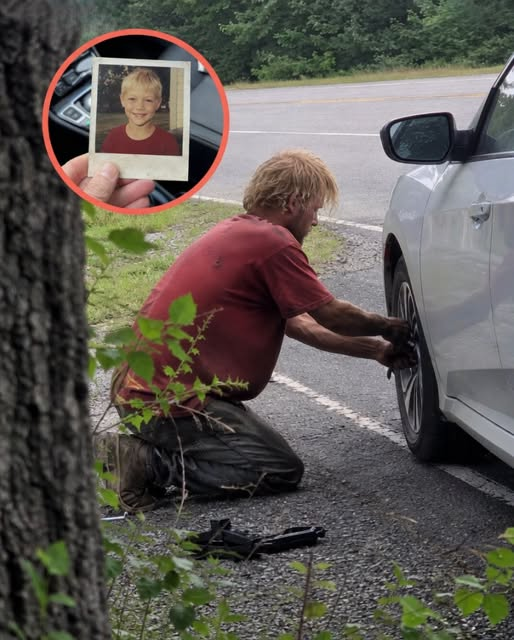
For twenty years, I carried a hope that never completely faded. Life moved forward, but every birthday, holiday, and family gathering reminded me of the son I had lost. Then one ordinary afternoon, a knock at the door changed everything. Standing on my porch was a kind-looking stranger beside a young man whose face seemed both unfamiliar and deeply known. In an instant, I recognized him. It was Caleb, my son, who had disappeared as a child many years ago. Overcome with emotion, I embraced him as tears filled my eyes. The moment felt impossible, yet there he was—alive, grown, and finally home.
The man who brought Caleb back introduced himself as Thomas. He appeared tired from years of hardship, but his gentle manner immediately stood out. I invited both men inside, and as we sat together, Thomas carefully explained how he had come to know Caleb. Over time, he had listened to fragments of Caleb’s memories and realized they pointed toward a family that had never stopped caring about him. Determined to help, Thomas spent months researching old records and connecting pieces of information until he finally uncovered the truth.
Caleb shared his own story that evening. Growing up, he had known very little about his early childhood. He often felt that something was missing but could never understand exactly what it was. As he grew older, small memories began returning—a familiar backyard, family laughter, and the comforting presence of a mother who loved him. Those memories eventually led him and Thomas to search for answers. Their journey was not easy, but it brought them to my doorstep and changed all of our lives forever.
Family
As we talked late into the night, we opened old photo albums and shared stories from the years we had missed. Caleb learned about the family that had never forgotten him, while I listened to the experiences that had shaped the man he had become. There was sadness for the lost time, but there was also gratitude. Every conversation helped rebuild a connection that had been interrupted for far too long.
The days that followed were filled with simple joys. Caleb met relatives he had never known, enjoyed family meals, and began creating new memories with us. Watching him laugh at the dinner table felt like a gift. Although we could never recover the years that had passed, we could make the most of the time ahead. Little by little, our family began adjusting to this unexpected blessing.
Thomas stayed with us briefly before continuing on his own path. Before leaving, he wrote a short note expressing gratitude for being welcomed into our home. His kindness had changed our lives, and we will never forget what he did. He asked for nothing in return and simply seemed happy knowing he had helped reunite a family.
Today, our journey of healing continues, but it is guided by hope rather than uncertainty. Caleb’s return reminded us that compassion can appear in unexpected places and that small acts of kindness can have life-changing results. Most importantly, it taught us to value every moment with the people we love. Sometimes, the greatest gifts come from ordinary people who choose to do the right thing, and their kindness leaves a lasting impact on everyone they meet.
For years, I worried about my son Jeremiah. He was a quiet teenager who often struggled to connect with others, and as his senior year of high school came to an end, I could see how much the upcoming prom weighed on him. While many of his classmates were excitedly making plans, Jeremiah seemed resigned to spending the evening alone. As a parent, it was difficult to watch. I wanted him to experience at least one memorable night before graduation, and I became determined to help make that happen.
After weeks of worrying, I came up with what I believed was a thoughtful solution. I spoke with Ella, a classmate from a family facing financial challenges, and offered to cover some of the expenses associated with prom. My intention was to help both teenagers enjoy the event without added stress. At the time, I convinced myself that I was simply creating an opportunity for two young people to have a positive experience, never stopping to consider whether my involvement might complicate things.
Family
When prom day finally arrived, everything appeared to be going according to plan. Ella looked beautiful in her dress, Jeremiah seemed unusually confident, and I felt relieved as I watched them leave for the evening. Standing in the driveway, I believed I had solved a problem that had troubled my son for years. For the first time in a long while, I allowed myself to think that perhaps things were finally turning around for him.
A few hours later, however, that sense of comfort began to disappear. Messages started arriving from parents and acquaintances, all hinting that something had happened at the dance. The details were unclear, but the concern in their words made my stomach tighten. When a school staff member called and asked me to come to the venue, I immediately knew the evening had not unfolded the way I had imagined.
At the school, I learned that my well-intended arrangement had become the subject of discussion among students. Information about my financial assistance had somehow spread, creating an uncomfortable situation for everyone involved. Ella felt embarrassed by the attention, while Jeremiah admitted that he had known about my plans from the beginning. What I had viewed as a private act of support had unintentionally placed both teenagers in an awkward spotlight during an important milestone in their lives.
In the days that followed, I spent a great deal of time reflecting on my choices. I apologized to Ella and her family for any discomfort my actions had caused and accepted responsibility for becoming involved in a situation that should have been left to the students themselves. More importantly, I realized that my desire to protect my son had sometimes prevented me from seeing challenges clearly. Instead of helping him build confidence naturally, I had tried to solve a personal struggle with resources and planning.
Family
The experience changed my understanding of parenthood. I learned that genuine support is not about controlling outcomes or arranging perfect moments. It is about guiding children as they navigate successes, disappointments, friendships, and personal growth on their own terms. While the memories of that prom night remain difficult, they also serve as a reminder that dignity, self-confidence, and meaningful relationships cannot be purchased. They must be developed through honesty, patience, and experience, lessons that both my son and I continue to carry with us.
International summits bring together leaders from around the world to discuss important topics such as economic growth, international cooperation, security, and global development. These gatherings often involve carefully planned meetings, formal presentations, and discussions that can influence policies affecting millions of people. While the primary focus remains on these significant issues, public attention is frequently captured by brief moments that occur outside the meeting rooms. A simple greeting, handshake, or exchange of words can quickly become a topic of widespread discussion once images and videos appear online.
During a recent international gathering, a short interaction between attending leaders attracted considerable attention after video footage began circulating across news outlets and social media platforms. The exchange itself lasted only a few moments, yet it quickly generated thousands of comments from viewers around the world. Many people offered their own interpretations of what they observed, with some viewing the moment as a friendly gesture and others describing it as a routine example of diplomatic protocol. As often happens with public events, the discussion expanded far beyond the interaction itself.
Experts in communication and international relations frequently point out that brief video clips rarely provide a complete picture of what is happening. Facial expressions, body language, timing, and cultural customs can all influence how an interaction appears on camera. In many cases, a gesture that seems meaningful to one audience may be interpreted differently by another. Because viewers typically see only a few seconds of footage, drawing firm conclusions about relationships or intentions can be difficult. Context remains an important part of understanding any public event.
Communications & Media Studies
The widespread reaction also highlights the growing influence of digital media in modern society. News now travels across the globe in seconds, allowing audiences to watch major events almost as they happen. Social media platforms encourage discussion and analysis, often turning small moments into trending topics within hours. Political gatherings are especially likely to attract this attention because people naturally look for visible signs that might reveal something about the relationships between public figures and world leaders.
Ultimately, the interest surrounding the summit interaction demonstrates how modern audiences engage with global events. While symbolic moments can be memorable and widely shared, they often represent only a small part of a much larger story. The summit itself focused on cooperation, dialogue, and addressing international challenges, yet a brief public exchange became one of the most discussed moments online. It serves as a reminder that in today’s connected world, even ordinary interactions can capture global attention and spark conversations that extend far beyond the event itself.
Many people notice visible veins on their arms, hands, legs, or feet at some point in their lives. Sometimes these veins seem to appear suddenly, while other times they become more noticeable gradually over the years. For some individuals, visible veins are simply a normal part of their natural anatomy. For others, changes in vein appearance may prompt questions about circulation, aging, or overall health.
Vein health supplement
The good news is that visible veins are often completely normal and do not indicate a serious medical problem. However, understanding why veins become more noticeable—and knowing which accompanying symptoms deserve medical attention—can help you make informed decisions about your health.
In this article, we’ll explore the common reasons veins become visible, discuss conditions that may affect vein health, and explain when it may be worthwhile to seek professional medical advice.
Why Veins Become More Visible
Veins play a critical role in the circulatory system. Their primary function is to carry blood back to the heart after oxygen has been delivered throughout the body. Because many veins are located just beneath the skin, they can sometimes be seen through the surface.
Several completely normal factors can make veins more noticeable.
1. Aging and Natural Skin Changes
As we age, our skin gradually becomes thinner and loses some of its elasticity. The layer of fat beneath the skin may also decrease over time.
These natural changes can make underlying structures, including veins, more visible than they were during earlier years.
Vein health supplement
This process is a normal part of aging and affects people differently depending on genetics, lifestyle, and overall health.
2. Low Body Fat Percentage
Individuals with lower levels of body fat often have more visible veins.
This is especially common among athletes, fitness enthusiasts, and people with naturally lean body types.
When there is less fat beneath the skin, veins are closer to the surface and therefore easier to see.
In many cases, visible veins in physically active individuals are simply a reflection of healthy body composition.
3. Exercise and Physical Activity
Have you ever noticed your veins becoming more prominent during or after a workout?
This happens because physical activity increases blood flow to working muscles. As blood volume rises and muscles expand, nearby veins may temporarily appear larger or more noticeable.
This effect is particularly common during strength training and resistance exercises.
For most healthy individuals, exercise-related vein visibility is entirely normal and temporary.
Health checkup service
4. Warm Temperatures
Hot weather can also affect the appearance of veins.
To help regulate body temperature, blood vessels may widen, allowing more heat to escape through the skin.
As a result, veins often appear darker or more prominent during warm weather or after spending time in a hot environment.
Once the body cools down, veins typically return to their usual appearance.
5. Genetics
Genetics play a significant role in determining how visible veins appear.
Some people naturally have thinner skin, lighter complexions, or vein patterns that are more noticeable than others.
If visible veins run in your family, there may be nothing unusual about their appearance.
6. Skin Tone and Complexion
People with lighter skin tones often notice veins more easily because there is less pigmentation masking the blood vessels beneath the skin.
Vein health supplement
This visibility is usually a cosmetic characteristic rather than a health concern.
Although visible veins are frequently harmless, it is still important to understand how veins function.
Veins contain tiny valves that help keep blood moving toward the heart. These valves prevent blood from flowing backward due to gravity.
When the valves function properly, circulation remains efficient and healthy.
However, if valves become weakened or damaged, blood may collect within the veins instead of moving smoothly through the circulatory system.
This can contribute to a variety of vein-related conditions.
What Are Varicose Veins?
One of the most common vein conditions is the development of varicose veins.
Varicose veins occur when veins become enlarged, twisted, or swollen due to increased pressure and reduced valve efficiency.
They most commonly appear in the legs because the veins in the lower body work against gravity to return blood to the heart.
Vein health supplement
Varicose veins may appear blue, purple, or dark green and can sometimes protrude from the surface of the skin.
While many people view them primarily as a cosmetic issue, they can occasionally cause discomfort or other symptoms.
What Is Chronic Venous Insufficiency?
Another condition that affects circulation is Chronic Venous Insufficiency, often referred to as CVI.
This condition develops when vein valves do not function effectively, making it more difficult for blood to travel back toward the heart.
As blood pools in the veins, pressure can increase over time.
Not everyone with visible veins has CVI, but understanding the symptoms can help individuals recognize when a professional evaluation may be appropriate.
Symptoms Worth Monitoring
Visible veins alone are usually not enough to indicate a medical problem.
However, healthcare professionals often recommend paying attention to additional symptoms that occur alongside changes in vein appearance.
Vein health supplement
Persistent Leg Heaviness
Some individuals describe a sensation of heaviness or fatigue in their legs, particularly after standing or sitting for long periods.
This feeling may improve with movement, rest, or elevating the legs.
Swelling in the Lower Legs or Ankles
Occasional swelling can occur for many reasons, including prolonged standing or travel.
However, persistent swelling that occurs regularly may warrant discussion with a healthcare provider.
Monitoring when swelling occurs and whether it improves with rest can provide useful information.
Aching or Discomfort
Some vein conditions are associated with mild discomfort, aching, or feelings of pressure in the affected area.
While these symptoms are not always serious, ongoing discomfort should be evaluated if it interferes with daily activities.
Skin Changes
Changes in skin texture or color around visible veins deserve attention.
Vein health supplement
Some individuals notice areas of discoloration, dryness, irritation, or increased sensitivity.
Because many skin conditions can cause similar symptoms, professional evaluation is often the best way to determine the underlying cause.
Spider Veins vs. Varicose Veins
Many people confuse spider veins and varicose veins, but they are not exactly the same.
Spider veins are small, thin blood vessels visible near the surface of the skin.
They often resemble tiny webs or branching patterns and are usually red, blue, or purple.
Varicose veins, on the other hand, are larger, raised, and more pronounced.
Spider veins are generally considered cosmetic, while varicose veins may occasionally be associated with circulation issues.
A healthcare provider can help determine the significance of either condition.
Lifestyle Factors That Support Healthy Circulation
Fortunately, many everyday habits can help support healthy circulation and overall vascular wellness.
Health checkup service
Stay Physically Active
Regular movement encourages healthy blood flow.
Walking, swimming, cycling, and other forms of exercise can help support circulation throughout the body.
Even short walks throughout the day can be beneficial.
Maintain a Healthy Weight
Excess body weight may increase pressure on veins, particularly in the legs.
Maintaining a healthy weight through balanced nutrition and regular activity can support vascular health.
Avoid Long Periods of Inactivity
Sitting or standing in one position for extended periods may affect circulation.
If your work requires prolonged sitting, try standing, stretching, or walking periodically throughout the day.
Elevate Your Legs
For individuals who spend long hours standing, elevating the legs occasionally may help reduce feelings of heaviness and support circulation.
Circulation improvement device
Wear Comfortable Clothing
Very tight clothing may sometimes restrict circulation in certain areas.
Choosing comfortable, well-fitting garments can support everyday comfort and movement.
Stay Hydrated
Adequate hydration supports many bodily functions, including circulation.
Drinking enough water throughout the day contributes to overall wellness.
When Should You Consult a Healthcare Professional?
Although visible veins are often harmless, there are situations in which medical advice may be beneficial.
Consider speaking with a healthcare provider if you experience:
Persistent swelling in the legs or feet Ongoing discomfort or aching Significant changes in skin appearance near veins New symptoms that concern you Veins that become increasingly enlarged over time Questions about circulation or vascular health
Vein health supplement
A medical professional can evaluate your symptoms, review your health history, and determine whether further testing is appropriate.
Diagnostic Tools Used by Healthcare Providers
If necessary, healthcare providers may recommend diagnostic tests to better understand vein function.
One common tool is a venous ultrasound.
This noninvasive imaging test uses sound waves to visualize blood flow and evaluate how well vein valves are functioning.
The procedure is generally painless and provides valuable information about circulation.
In many cases, testing helps reassure patients that their veins are functioning normally.
The Importance of Body Awareness
One of the most valuable habits for maintaining health is simple awareness.
Paying attention to your body does not mean becoming overly worried about every change.
Instead, it means recognizing patterns, noting new symptoms, and seeking guidance when something seems unusual.
Most visible veins are simply a reflection of normal anatomy, genetics, aging, fitness, or environmental factors.
Vein health supplement
At the same time, being informed allows you to recognize when a professional evaluation might be helpful.
A Balanced Perspective on Visible Veins
In today’s world, health information is everywhere, and it can sometimes be difficult to distinguish between normal bodily changes and signs that deserve medical attention.
Visible veins are a perfect example.
For many people, they are simply part of a healthy, functioning circulatory system.
They may become more noticeable with age, exercise, warm temperatures, weight changes, or natural genetic traits.
In other situations, visible veins may occur alongside symptoms that suggest an underlying vein condition.
The key is not to react with fear but to respond with knowledge.
Understanding your body, maintaining healthy lifestyle habits, and consulting qualified healthcare professionals when necessary are the most effective ways to support long-term wellness.
Health checkup service
Final Thoughts
Your veins are an essential part of your circulatory system, working continuously to return blood to the heart and support every organ in your body.
In most cases, visible veins are entirely normal and reflect natural characteristics such as age, skin type, fitness level, or genetics.
However, changes accompanied by symptoms such as swelling, discomfort, skin changes, or persistent circulation concerns deserve attention and discussion with a healthcare provider.
The goal is not to become alarmed by every visible vein but to develop a healthy awareness of your body’s signals.
By staying informed, maintaining an active lifestyle, and seeking professional guidance when needed, you can make confident decisions about your vascular health and overall well-being for years to come.
An 80-year-old woman had always taken pride in her independence. Throughout her life, she handled challenges with patience, determination, and common sense. She was not someone who rushed to the doctor for every minor problem. However, when a persistent itch refused to disappear, she realized it was time to seek professional advice. What started as a small annoyance gradually became a daily frustration, making it difficult for her to focus on the activities she enjoyed.
Medical Facilities & Services
Her first visit to a doctor seemed straightforward. After listening to her symptoms and performing a brief examination, the doctor offered a diagnosis. The woman left the office feeling uncertain because the explanation did not seem to match her experience. She trusted medical professionals, but something about the conclusion simply did not feel right. Hoping for more clarity, she decided to seek a second opinion rather than immediately accepting the first answer.
The second doctor carefully listened to her concerns but arrived at a similar conclusion. Although the physician was confident in the assessment, the woman remained unconvinced. She knew her own situation better than anyone and felt there had to be another explanation. While some people might have given up at that point, her determination pushed her forward. She scheduled an appointment with a third doctor, determined to find a solution and understand what was truly causing the irritation.
When she arrived at the third office, she explained everything that had happened during her previous appointments. Unlike the others, this doctor took extra time to listen and ask detailed questions. He conducted a thorough examination and carefully reviewed every possibility before making a decision. After completing the evaluation, he smiled and assured her that the issue was not as serious as she had feared. The cause turned out to be a simple and harmless condition that had been overlooked during the earlier visits.
Relieved to finally receive a clear explanation, the woman felt a sense of satisfaction as she left the office. The experience reminded her that persistence can be valuable, especially when searching for answers about one’s health. It also highlighted the importance of communication between patients and medical professionals. Sometimes the first answer may not tell the whole story, and seeking additional perspectives can lead to a better understanding of a problem. In the end, her determination paid off, and she returned home with peace of mind, grateful that the solution was far simpler than she had imagined.
Located in the peaceful Sunrise Estates neighborhood of Columbia, this classic brick ranch home offers comfort, space, and exciting potential for future updates. Its timeless exterior design creates a warm first impression, while the quiet residential setting provides a sense of stability and convenience. Surrounded by mature landscaping and established homes, the property delivers a welcoming atmosphere ideal for a variety of lifestyles.
Inside, the home features a spacious layout filled with natural light and practical living areas. The main living room offers plenty of room for everyday relaxation, while the cozy family room centers around a charming fireplace that adds warmth and character. These inviting spaces make it easy to imagine hosting gatherings, enjoying quiet evenings, or creating lasting memories with loved ones.
One of the home’s standout features is the enclosed sun porch, which extends the living space and offers a bright, flexible area for multiple uses. Whether transformed into a reading nook, hobby room, indoor garden, or casual sitting area, the sun porch creates a peaceful retreat that can be enjoyed throughout the year.
The primary suite is designed for convenience and comfort, providing a private space to unwind after a long day. Additional bedrooms offer flexibility for family members, overnight guests, or a dedicated home office. With a thoughtful floor plan and generous room sizes, the home can easily adapt to changing needs over time.
Downstairs, the finished walkout basement adds valuable extra space with endless possibilities. It can serve as an entertainment room, home gym, creative studio, or additional storage area. The flexible lower level allows homeowners to personalize the property while increasing everyday functionality and long-term appeal.
An attached garage provides convenient parking and workspace for hobbies, tools, or seasonal storage. The outdoor area offers manageable space for gardening, relaxing, or enjoying fresh air. Practical features throughout the property support both comfort and efficiency for daily living.
Whether purchased as a primary residence, rental investment, or renovation opportunity, this Columbia home presents excellent potential for future value. With strong structural character, flexible living spaces, and a desirable neighborhood location, it offers buyers the chance to create a home that reflects their vision while enjoying the benefits of an established community.
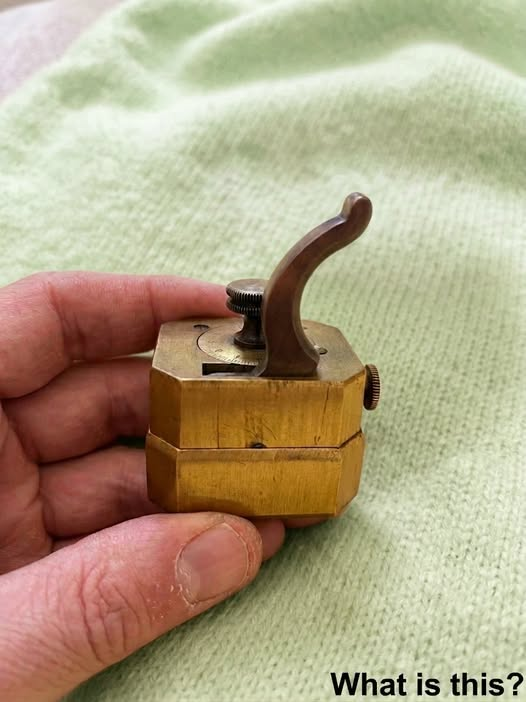
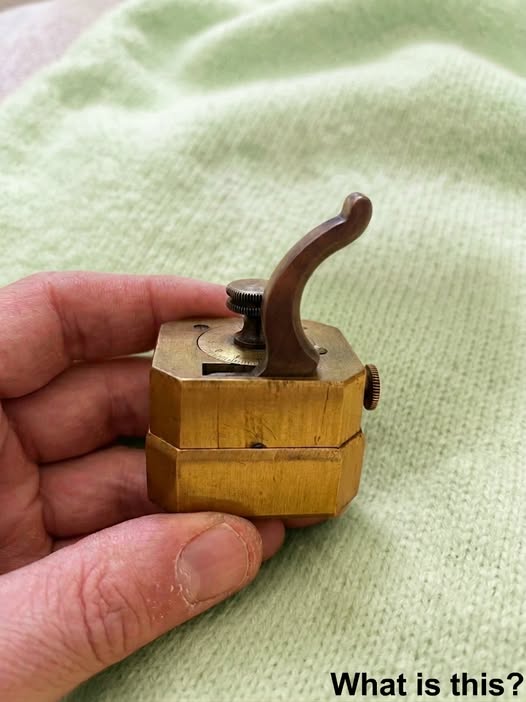
What began as a simple flea market purchase quickly turned into an unexpected lesson in medical history. Among a collection of old items, one small device stood out because of its unusual design. Curious about its purpose, I bought it without knowing what it was. Later, after some research, I discovered that it was an antique medical scarificator.
Antiques & Collectibles
A scarificator was a tool once used in the practice of bloodletting, a treatment that was common for centuries. Physicians believed that removing a small amount of blood could help restore balance in the body and relieve a variety of illnesses. At the time, this approach was considered a legitimate medical procedure.
The device itself is surprisingly sophisticated. Hidden inside is a spring-loaded mechanism that briefly extends several tiny blades. When activated, the blades make small, controlled cuts on the skin. The design reflects the craftsmanship and engineering skills of its era.
Today, the scarificator serves as a reminder of how much medical knowledge has evolved. Treatments that were once widely accepted are now viewed through a very different lens. Advances in science, research, and technology have transformed the way doctors understand and treat illness.
Holding the instrument was a fascinating experience. It felt like touching a piece of history, one connected to generations of patients and practitioners. Every mark and detail seemed to tell a story about the beliefs and practices of another time.
Artifacts like this offer more than historical curiosity. They help us appreciate the progress that has been made in healthcare and encourage us to remain open to new discoveries. What seems certain in one era may be reconsidered in the next as knowledge continues to grow.
Although it appeared to be just another old tool at first glance, the scarificator revealed a much deeper story. It stands as a small but powerful symbol of humanity’s ongoing search for better understanding, better treatments, and better ways to care for one another.
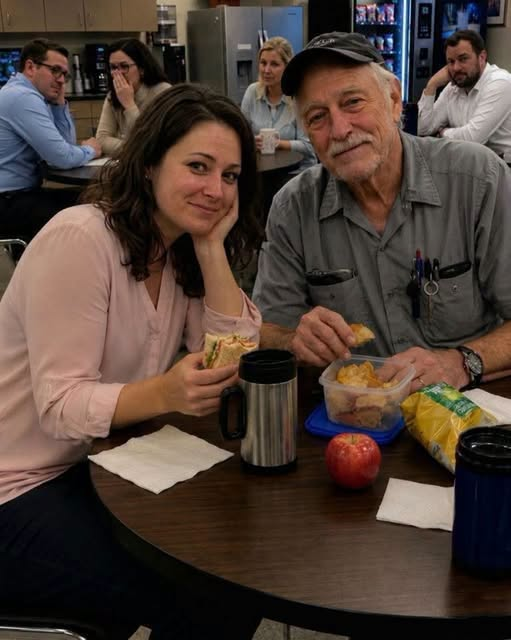
Charlotte’s first weeks at a new job were far lonelier than she expected. Every lunch break felt uncomfortable as coworkers gathered with their usual groups while she searched for a place to sit. One afternoon, she noticed Charles, a quiet maintenance employee, eating alone near a window. With a kind smile, he invited her to join him. What began as a simple act of courtesy soon became a daily tradition. Every noon, they shared the same table, talking about everyday topics like books, weather, and work. Their conversations were never dramatic, but they brought comfort and stability to both of their lives.
As the years passed, Charlotte and Charles developed a friendship built on respect and consistency. While some coworkers made jokes about her spending lunch with the maintenance worker, she ignored them. Charles never seemed bothered by the comments and continued treating everyone with kindness. Whenever Charlotte experienced important moments in her life, whether positive or difficult, Charles was quietly there. When she earned a promotion, he celebrated with a small cupcake. When personal challenges appeared, he offered support not through grand speeches, but through simple presence and understanding.
Their friendship became one of the most reliable parts of Charlotte’s life. During periods of sadness and uncertainty, Charles listened without judgment and never pressured her to explain more than she wanted. He had a unique ability to make people feel comfortable simply by being present. While many overlooked him because of his position, Charlotte saw someone wise, thoughtful, and genuinely caring. The years went by quickly, and their daily lunches remained unchanged, becoming a source of comfort amid the constant changes of life.
One Monday, Charles did not show up for lunch. Charlotte assumed he was taking time off, but as several days passed, concern began to grow. Later that week, she learned the heartbreaking news that Charles had passed away unexpectedly. The information left her stunned. The break room suddenly felt different, and the empty chair across from her became a reminder of the friendship she had cherished for more than a decade. Wanting to pay her respects, she attended his funeral, even though few others from work chose to go.
After the service ended, an attorney approached Charlotte and handed her a worn shoebox that Charles had specifically asked to be given to her. Inside were photographs spanning eleven years of their friendship. The pictures captured ordinary moments she barely remembered—her first day at work, her promotion, difficult seasons of life, and countless lunches at their familiar table. Alongside the photos was a small notebook. As she read through it, Charlotte discovered that Charles had carefully recorded observations about her life, celebrating her successes and quietly noting moments when she seemed sad or needed encouragement.
Near the end of the notebook, Charlotte found a personal letter and a photograph of a young woman. The letter explained that Charles had once had a daughter who passed away many years earlier. Charlotte reminded him of her in certain ways, not because she replaced anyone, but because her friendship brought light back into his life. He wrote that their lunches had given him purpose and companionship during years that otherwise might have felt lonely. His final message touched her deeply: while many people believed he had helped her, he felt she had helped him just as much.
The following Monday, Charlotte returned to work carrying the shoebox. During lunch, she shared the photographs and notebook with her coworkers. As they looked through the memories, the room grew silent. Many realized they had never truly known the man they had casually overlooked for so many years. Charlotte sat down at their usual table and reflected on everything Charles had given her. More than friendship, he had offered something priceless—the feeling of being understood, appreciated, and genuinely seen. Though his chair remained empty, his kindness continued to inspire everyone who learned his story.
For decades, millions of music fans believed they knew the full story of Barry Manilow, the singer-songwriter whose timeless hits helped define an era of popular music. Known for his unforgettable melodies and loyal fan following, Manilow built a remarkable career that spanned generations. Yet behind the spotlight, he carefully guarded parts of his personal life, choosing to focus public attention on his music rather than his private experiences.
Manilow’s journey began in New York, where his passion for music developed at an early age. Encouraged by his family, he studied music extensively and worked tirelessly to sharpen his skills. Before becoming a household name, he spent years learning the craft, balancing everyday jobs while pursuing his dream of creating songs that would connect with audiences around the world.
One of his earliest professional successes came through writing commercial jingles. The experience taught him how to create memorable melodies and catchy hooks, skills that would later become trademarks of his recording career. His breakthrough arrived in the 1970s when a series of hit songs propelled him to international fame and established him as one of the most recognizable voices in popular music.
As his success grew, so did the demands of life in the public eye. Manilow became known not only for his chart-topping recordings but also for his energetic performances and strong connection with fans. Throughout the years, he earned numerous awards, sold millions of records, and built a reputation as one of the most successful entertainers of his generation.
Away from the stage, however, Manilow valued privacy. While audiences celebrated his professional achievements, he chose to keep much of his personal life out of public view. This decision allowed him to focus on his work while maintaining meaningful relationships away from constant media attention. His commitment to privacy remained a defining aspect of his life for many years.
A significant part of that personal journey involved Garry Kief, who became both a trusted professional partner and an important source of support. Over the years, the two built a strong and lasting partnership based on mutual respect, shared goals, and understanding. Their relationship remained largely private while they focused on their careers, family, and the responsibilities that came with a successful life in entertainment.
Today, Barry Manilow’s story is remembered not only for extraordinary musical accomplishments but also for his dedication to authenticity and personal happiness. His career serves as an example of perseverance, hard work, and staying true to oneself while navigating the challenges of fame. Fans continue to celebrate the music that brought joy to millions, while appreciating the inspiring journey of the man behind the songs.
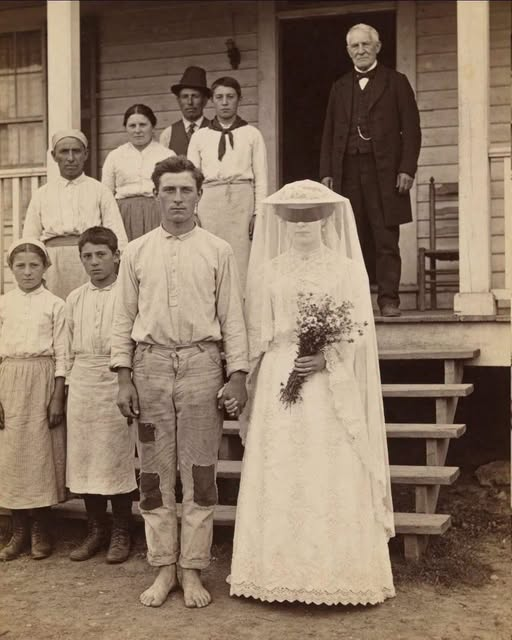
The wedding day arrived quietly, without the excitement many people expected. Zainab, who had been blind since childhood, stood ready to begin a new chapter of her life. Her father, Malik, had always viewed her condition as a limitation and struggled to recognize the many qualities that made her special. When he arranged her marriage to Yusha, a humble man with very little money, many people assumed the couple would face a difficult future. Some questioned the match, while others doubted they would ever succeed.
After the ceremony, Zainab and Yusha moved to a small home near a river far from the village. Life was simple, and they faced many challenges. Their house needed repairs, their resources were limited, and every day required hard work. Yet despite these difficulties, they focused on building a peaceful life together. Instead of complaining about what they lacked, they appreciated what they had and supported one another through every obstacle.
Yusha treated Zainab with respect, kindness, and patience. He never defined her by her blindness and always encouraged her to believe in herself. For the first time in many years, Zainab felt truly valued. The confidence she gained allowed her to share her intelligence and compassion with others. Their home became a place filled with warmth, understanding, and hope, attracting the friendship and respect of people around them.
As time passed, Yusha worked tirelessly to improve their situation. He learned new skills, built strong relationships, and earned a reputation for honesty and dedication. Opportunities gradually appeared, and his efforts began to produce results. Together, he and Zainab created a stable and meaningful life. Their commitment to hard work and good character earned them admiration throughout the region, and many people sought their advice and guidance.
Meanwhile, Malik experienced a very different journey. The success and influence he once relied upon slowly faded after a series of poor decisions. As the years passed, he found himself increasingly isolated and disappointed. Eventually, he began reflecting on his past and realized he had made serious mistakes, especially in the way he had treated his daughter. Filled with regret, he decided to visit her after many years apart.
When Malik finally arrived, he was surprised by what he saw. The daughter he remembered was gone, replaced by a confident and respected woman who had built a fulfilling life through determination and perseverance. Zainab welcomed him politely and listened as he expressed his regrets. She did not respond with anger or resentment. Instead, she spoke calmly and with wisdom, showing the strength she had developed over the years.
That visit taught Malik a lesson he would never forget. He realized that true value is not measured by appearance, wealth, or social status, but by character, resilience, and kindness. The daughter he once underestimated had become a source of inspiration to many people. Although he could not change the past, he finally understood the truth: when people are given respect, encouragement, and opportunity, they can achieve far more than others ever imagined. Zainab and Yusha’s story became a lasting reminder that genuine success begins with believing in the worth of every human being.