In the world of professional basketball, where legends are forged under bright lights and roaring crowds, few moments capture the heart of America quite like a record-breaking performance.
For generations of fans who grew up watching the greats — from Magic and Bird’s electrifying rivalry to the unyielding grit of Michael Jordan — the WNBA has become the next chapter in that grand story.
And right now, in 2026, a young star named Caitlin Clark is writing her own unforgettable lines, shattering expectations and drawing eyes from living rooms across the country, especially those of us who remember when sports felt like pure community and competition.
Picture this: packed arenas, families gathered on weeknights, and the unmistakable sound of sneakers squeaking on polished hardwood. Clark, with her Iowa roots and laser-sharp vision, has been a revelation for the Indiana Fever.
She’s not just playing the game — she’s elevating it, reminding older fans of those classic matchups where skill met heart. In just her early games this season, she’s achieved something historic: becoming the fastest player in WNBA history to reach 250 points and 100 assists in a single season. It took her a mere 13 games. Think about that for a moment. Previous stars needed more time, more battles.
Clark did it with a blend of scoring prowess and playmaking that feels straight out of the old-school point guard handbook, the kind that made watching basketball on Sunday afternoons a family ritual.
But greatness in sports has always invited scrutiny. It’s the nature of competition — the same debates that filled barbershops and front porches for decades about who truly defines an era.
As praise poured in for Clark’s milestone, with analysts and longtime fans hailing her as a transformative force for the league, something shifted in the air.
The spotlight, once unified in celebration, fractured into something more complex, more human.
What does it mean to be great? Is it raw numbers, or something deeper that lifts teammates and captivates audiences night after night?
Clark’s journey resonates deeply with those of us who value the intangibles.

Her passes aren’t just accurate; they’re visionary, threading needles through defenses in ways that echo the no-look magic of yesterday’s heroes.
In an era where highlight reels dominate, she’s bringing back the joy of team basketball — the kind where one player’s assist creates opportunities for everyone on the floor.
Fans in their 60s and beyond, many of whom tuned into WNBA games after years of following the NBA’s evolution, see in her a bridge to the past.
She’s drawing record viewership, boosting attendance, and yes, even sparking conversations at senior centers and family dinners about the future of women’s sports. Her impact goes beyond the stat sheet: it’s in the way she carries herself, with poise under pressure that reminds us of athletes who played for the love of the game before mega-contracts changed everything.

The WNBA has always thrived on its rivalries, those personal duels that mirror the emotional tug-of-war in everyday life.
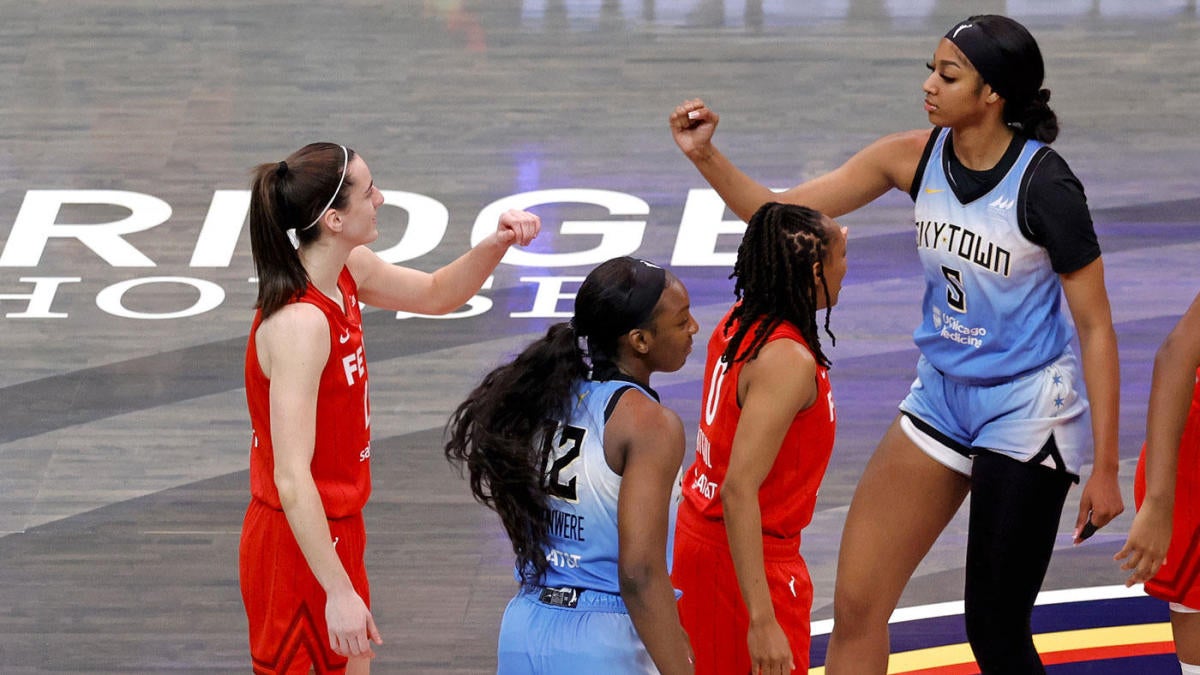
From college days onward, Clark and Angel Reese have embodied this dynamic — two fierce competitors with different styles, both pushing the league forward.
May you like
nga📢 TOP STORY: Every I Love Lucy and Carol Burnett Show Fan Feels Warmth on Her 93rd Birthday ⚡
Reese, the dynamic forward for the Chicago Sky (and now making waves elsewhere), brings a rebounding intensity and physical presence that’s undeniable. She’s a force who battles in the paint, embodying the resilience that has defined so many underdog stories in American sports.
Their matchups have become must-watch television, filled with the tension of two athletes who refuse to back down.
As the season unfolded, Clark’s record pace only amplified the buzz. Headlines celebrated her efficiency, her ability to score while setting up others at an unprecedented clip.
Longtime observers nodded in approval, seeing echoes of how legends like Sue Bird or Diana Taurasi redefined their positions through versatility.
Clark wasn’t just piling up points; she was orchestrating games, making those around her better — a hallmark of true impact that older fans cherish from eras when basketball was as much about strategy as athleticism.
Yet, in the heat of competition, words can cut sharper than any on-court battle.
The conversation, which started with unbridled admiration for Clark’s milestone, took an unexpected turn.
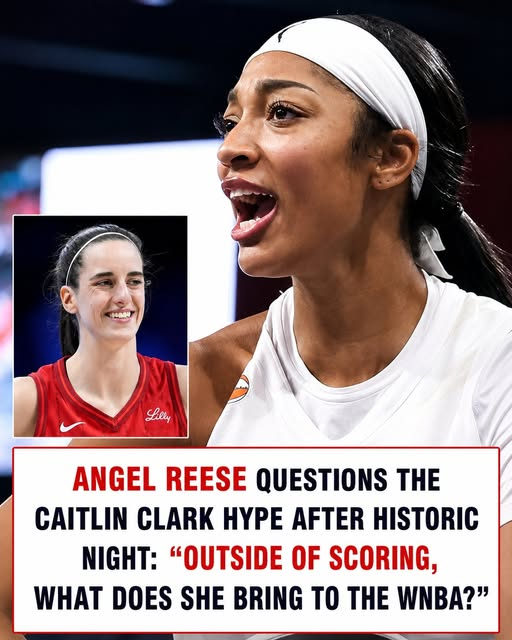
Reports emerged of Reese pushing back against the wave of acclaim, essentially asking what else Clark contributes beyond her scoring output. That single perspective reframed the narrative, turning celebration into a broader debate about value, legacy, and what fans truly reward in this modern era of the sport.
This isn’t new territory. Sports history is littered with similar moments — debates over Wilt versus Russell, or later, Kobe’s scoring versus LeBron’s all-around game. For us longtime followers, it stirs memories of porch discussions that lasted late into the evening, weighing stats against heart, flash against fundamentals.
Does a player’s worth lie solely in buckets scored, or in the way they transform a franchise, sell out buildings, and inspire the next generation?
Clark’s assists tell a story of unselfishness, her vision opening lanes that defenses didn’t see coming. In 13 games to hit those marks? That’s efficiency born of hours in the gym and a basketball IQ that’s off the charts.
Reese’s challenge, whether intended as rivalry fuel or honest critique, highlights the passion that keeps the WNBA vibrant. Both women are elevating the game in their ways: Reese with her rebounding dominance and tenacity, Clark with her floor-general mastery.
Their back-and-forth mirrors the healthy competition that built American sports into a cultural cornerstone — the kind that taught us resilience, teamwork, and the thrill of overcoming doubt.
As the season presses on, expect these two to face off again, turning arenas into stages for drama that rivals any classic Western or family drama on TV.
For fans who remember when sports united communities rather than dividing them, this rivalry is a gift. It forces us to reflect on what we value: pure scoring, or the complete package that includes leadership, creativity, and drawing crowds that fill seats for an entire league.
Clark’s record stands as a testament to her unique blend of talents.
She’s not just the fastest to those numbers — she’s proving that in today’s WNBA, one player can do it all while honoring the game’s roots. The “uncomfortable question” about greatness? It ultimately circles back to this: true legends leave the game better than they found it.
And with Clark’s playmaking lighting up scoreboards and highlight packages, she’s doing exactly that, one precise pass and clutch bucket at a time.
The whispers will quiet, the cheers will return, but the debate? That’s what makes following these athletes so rewarding for those of us who’ve seen decades of hoops magic. Who’s your pick in this unfolding story — the scorer, the facilitator, or the one who does both?
Drop your thoughts below and let’s keep the conversation going, just like in the good old days.
Leave a Reply