For centuries, herbs have been used in traditional wellness practices around the world. Among the many plants valued for their aromatic and culinary qualities, oregano has earned attention for its long history of use in both cooking and natural health traditions. In recent years, oregano oil has become a popular supplement among people interested in supporting their overall wellness through natural products.
Oregano oil is derived from the leaves of the oregano plant and contains naturally occurring compounds, including carvacrol and thymol. These compounds have been widely studied by researchers because of their unique properties and potential role in supporting general health. As a result, oregano oil is often included in discussions about herbal wellness and dietary supplements.
Many individuals choose oregano oil as part of their broader approach to maintaining a healthy lifestyle. Supporters appreciate its natural origin and its long-standing presence in traditional practices. While scientific research continues to explore its properties, experts generally recommend viewing herbal supplements as part of a balanced wellness routine rather than as replacements for professional medical care.
Oregano oil is available in several forms, including liquid extracts, capsules, and softgels. Because concentrated oregano oil can be very potent, manufacturers often provide usage instructions to help consumers use the product appropriately. Reading labels carefully and following recommended guidelines are important steps when considering any dietary supplement.
Interest in natural wellness products has grown significantly in recent years, leading many consumers to learn more about herbs and plant-based ingredients. Oregano oil is frequently mentioned alongside other popular herbal products that are used to complement healthy habits such as balanced nutrition, regular exercise, adequate sleep, and stress management.
Healthcare professionals often encourage individuals to discuss supplements with a qualified provider before adding them to their routine. This is especially important for people who are pregnant, nursing, taking medications, or managing existing health conditions. Personalized guidance can help ensure that supplements are used safely and appropriately.
As research into herbal products continues, oregano oil remains one of the most recognized botanical supplements available today. Whether used for its traditional heritage, its distinctive composition, or its role in personal wellness routines, it continues to attract interest from people seeking natural ways to support their overall health and well-being.
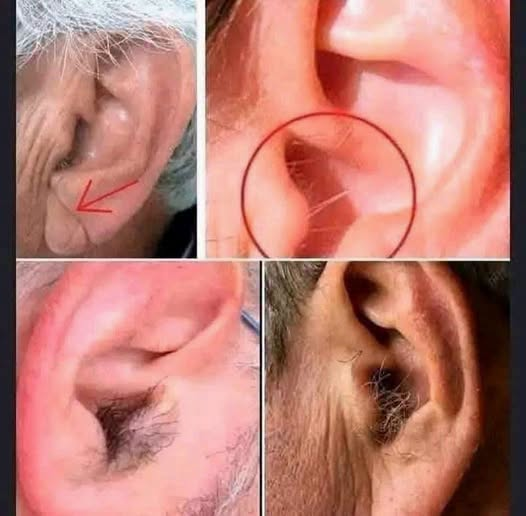
Many people are surprised the first time they notice a thick hair growing from their ear. It can seem unusual, especially if it appears later in life without warning. While the change may catch you off guard, it is generally a normal part of aging and not usually a cause for concern. In most cases, ear hair growth is simply another way the body changes over time.
As people get older, hair growth patterns naturally shift. Some areas of the body may experience thinning hair, while other areas may develop thicker or more noticeable hair. These changes are influenced by age, genetics, and natural hormone activity that continues throughout adulthood. Ear hair growth is one example of these common age-related changes.
Hormones play an important role in determining where hair grows and how thick it becomes. Over the years, certain hair follicles can become more responsive to hormonal signals. As a result, fine and less noticeable hairs may gradually become darker, thicker, and easier to see. This process is particularly common among older adults.
Genetics also contributes to hair growth patterns. Just as family traits can influence hair color, hair texture, and hair loss, they can also affect where hair appears as people age. Some individuals may notice only a few hairs, while others may experience more significant growth. These differences are typically linked to inherited characteristics.
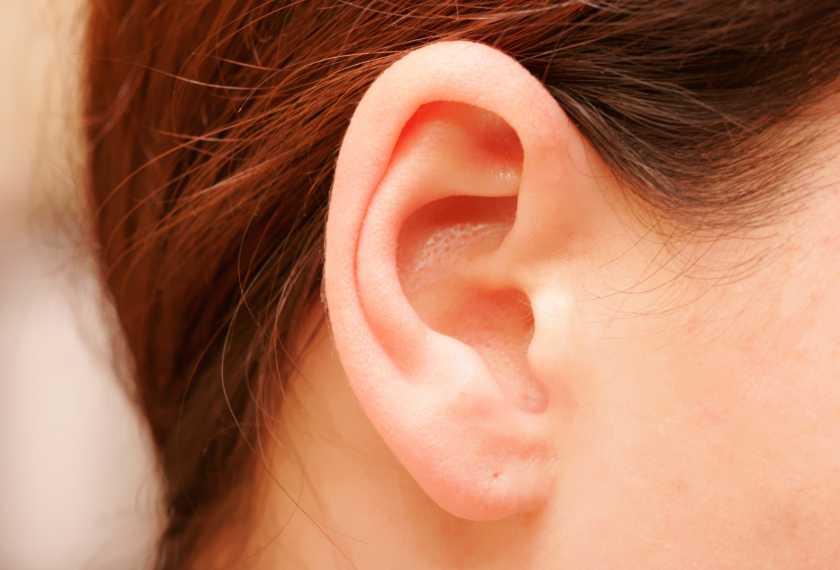
Ear hair is not entirely without purpose. Like the small hairs found in the nose, ear hair can help trap dust, tiny particles, and other debris before they enter deeper parts of the ear. Working together with natural earwax, these hairs contribute to the ear’s protective system and help support overall ear health.
For those who prefer a cleaner appearance, grooming ear hair is usually simple and safe when done carefully. Many people use rounded-tip scissors or electric trimmers designed specifically for ear and nose hair. Gentle trimming is generally recommended, while aggressive plucking may cause irritation or discomfort in sensitive areas.
Ultimately, noticing ear hair growth is usually a normal part of the body’s natural aging process. It does not automatically indicate a health problem and is often simply a reflection of genetics and changing hormone activity. Understanding why it happens can help reduce unnecessary concern and provide reassurance that this common change is a normal part of life.
Recent decisions by governments in West Africa to restrict entry for American citizens reflect more than a momentary diplomatic dispute. They highlight a growing sense of imbalance in international relations, where policies adopted by powerful nations are increasingly met with firm responses from regions long accustomed to having little leverage. By framing their actions around the principle of reciprocity, these governments argue that equal treatment, rather than confrontation, is at the heart of their stance.
While official statements focus on visas, borders, and policy alignment, the practical effects reach far beyond government offices. Families have found themselves separated by sudden restrictions, academic exchanges have been paused, and humanitarian initiatives face delays that directly affect local communities. These disruptions often impact ordinary people who have no role in shaping the political decisions that triggered the measures.
From Washington’s perspective, tighter travel rules are presented as administrative tools designed to address security and compliance concerns. On the other side, regional leaders describe the same policies as unfair and dismissive, reinforcing long-standing frustrations about unequal treatment in global mobility.
The gap between these interpretations continues to widen, fueled by mutual suspicion rather than dialogue. The latest actions involve Mali and Burkina Faso, which announced bans on U.S. citizens, echoing earlier moves by Niger, which imposed a permanent visa halt, and Chad, which previously suspended similar access. Together, these decisions suggest a broader shift in how several Sahel states are asserting autonomy in their diplomatic relationships, signaling challenges ahead for rebuilding trust.
The disappearance of Nancy Guthrie continues to draw attention as investigators work to uncover what happened after she vanished from her home in Tucson, Arizona. What began as a missing-person case soon developed into a complex investigation involving multiple leads, public appeals, and reported communications that raised new questions about her whereabouts.
According to reports, Nancy was last seen after spending what appeared to be a normal evening with family. When she could not be located, authorities launched a search effort and began examining evidence from her home and surrounding areas. Investigators worked to determine whether she left voluntarily or if other circumstances were involved in her disappearance.
Search Engines
As the search progressed, a message claiming to contain information about Nancy’s situation was reportedly received by the family. The communication stated that she was alive and requested a large cryptocurrency payment. The message also included instructions and deadlines, prompting authorities to carefully evaluate its authenticity and significance to the investigation.
The reported communication brought renewed attention to the case and generated hope that Nancy might still be found safely. At the same time, investigators continued gathering evidence and reviewing information from multiple sources. Law enforcement agencies emphasized the importance of verifying every lead while avoiding conclusions before all facts were established.
During this period, Nancy’s children participated in public appeals asking for information that could assist investigators. In one widely discussed video message, family members addressed those who might have knowledge about the case and expressed their desire to see their mother returned safely. The statement reflected both concern and determination as the search continued.
Authorities expanded their efforts by reviewing surveillance footage, analyzing forensic evidence, and interviewing individuals who might have relevant information. Images connected to the investigation were released to the public, and rewards were offered in hopes of encouraging tips that could help move the case forward. Each development added another piece to an investigation that remained active and closely followed.
Months later, discussion surrounding the case continued as new details about earlier communications emerged through media reporting. Some observers revisited the family’s public statements in light of those developments, while investigators remained focused on finding answers. Despite ongoing speculation, the central concern remains unchanged: locating Nancy Guthrie and providing clarity for her family, who continue to seek information about her disappearance.
Sleep is one of the most important foundations of good health, yet it is often overlooked in busy modern lifestyles. Health experts agree that getting enough rest each night is essential for maintaining physical, mental, and emotional well-being. During sleep, the body performs a variety of important functions that help people recover from the demands of the day. From supporting the immune system to improving concentration and energy levels, quality sleep plays a major role in overall health. Establishing a consistent sleep routine can help people feel more refreshed, productive, and prepared to handle daily challenges.
Most adults are encouraged to get between seven and nine hours of sleep each night. This amount of rest allows the body to complete critical recovery processes, including muscle repair, hormone regulation, and memory consolidation. When people consistently get enough sleep, they are often better equipped to focus, make decisions, and manage stress. Adequate sleep also supports healthy metabolism and contributes to better physical performance. While individual needs may vary, ensuring enough time for rest is widely recognized as a key component of a healthy lifestyle.
Not getting enough sleep can affect many aspects of health. Sleep deprivation may lead to fatigue, difficulty concentrating, irritability, and lower productivity. Over time, poor sleep habits have been associated with an increased risk of several long-term health concerns. Because sleep influences so many systems within the body, maintaining healthy sleep patterns can be an important step toward improving overall wellness and quality of life.
For many people, sharing a bed with a partner can provide additional comfort and support. Sleeping alongside a loved one often creates a sense of connection and security that may contribute to relaxation. Many couples find that bedtime becomes an opportunity to unwind together after a busy day, helping strengthen emotional bonds and encouraging positive communication.
Research has suggested that sleeping with a partner may offer several benefits. Some individuals report feeling less stressed and more emotionally supported when sharing a sleeping space. In addition, couples who maintain healthy sleep habits together may experience improved well-being and a stronger sense of companionship. A comfortable and peaceful sleeping environment can make it easier to enjoy restful nights and consistent sleep patterns.
Sleeping position can also influence comfort and sleep quality. Different positions may affect posture, circulation, and overall relaxation. Some people prefer sleeping on their side, while others feel more comfortable on their back or in another position. The best sleeping position is generally the one that provides adequate support and allows the body to rest comfortably throughout the night.
In conclusion, sleep is a vital part of maintaining good health and overall well-being. Getting the recommended amount of rest, creating a comfortable sleep environment, and developing healthy sleep habits can make a meaningful difference in daily life. Whether sleeping alone or with a partner, prioritizing quality sleep can support both physical and emotional wellness for years to come.
Stephanie White’s Frustration Over Caitlin Clark No-Call Adds New Fire to Fever–Mercury Controversy
The Indiana Fever’s latest matchup against the Phoenix Mercury delivered more than another hard-fought WNBA battle.
It delivered another flashpoint.
During Wednesday’s Mercury–Fever game, head coach Stephanie White expressed visible frustration after a no-call involving Caitlin Clark, adding a new layer to the growing conversation around how physical defenses are being allowed to guard one of the league’s most watched stars.
For the Fever, the moment was not simply about one missed whistle.
It was about a larger pattern that has followed Clark throughout the season — hard contact, emotional reactions, inconsistent officiating debates, and the question of whether the WNBA’s brightest young star is receiving the same protection other elite playmakers expect when driving through pressure.
White’s reaction quickly became one of the defining talking points of the game.
In the heat of competition, coaches often argue calls. That is nothing new. But this particular reaction carried more weight because of the player involved and the ongoing attention surrounding Clark’s physical treatment on the floor.
Clark has become one of the most scrutinized athletes in basketball. Every drive, every fall, every defensive bump, and every reaction is analyzed in slow motion by fans, analysts, and critics. That level of attention can turn a single no-call into a league-wide debate within minutes.
That is exactly what happened here.
The Fever were already playing in a high-pressure environment. Games against teams like the Mercury carry extra intensity because every possession matters, especially for an Indiana team still working to establish consistency and identity. Clark’s ability to create offense, draw defensive attention, and set up teammates makes her the engine of the Fever’s attack.
So when contact goes uncalled, the impact feels bigger than one possession.
It affects rhythm.
It affects momentum.
And in a close game, it can affect trust.
Stephanie White’s frustration seemed to come from that exact place. As a coach, she is responsible not only for strategy, rotations, and late-game adjustments, but also for protecting the confidence and physical safety of her players. When she believes Clark absorbs contact without a whistle, her reaction becomes part advocacy, part competitive emotion, and part message to the officials.
That message was clear: Indiana wanted consistency.
For Clark, this is becoming a familiar part of her professional journey. Since entering the WNBA, she has been guarded with extreme physicality. Opponents understand that giving her space is dangerous. They pressure her early, chase her through screens, body her on drives, and try to disrupt her timing before she can fully control the possession.
That is what great players face.
But the challenge for the league is determining where tough defense ends and illegal contact begins.
That line is where controversy lives.
Fans who support Clark argue that she takes more contact than the whistle reflects. They believe defenders are allowed to push, bump, and crowd her in ways that would draw calls for other high-usage stars. Critics push back, saying physicality is part of professional basketball and that Clark, like every young star, must adjust to the speed and strength of the WNBA.
And moments like Wednesday’s no-call only make the debate hotter.
What makes the situation more complicated is Clark’s role within Indiana’s offense. She is not a player who can simply disappear into the system. She is the system’s primary creator. When she is knocked off rhythm, trapped aggressively, or forced to play through contact, the entire Fever offense can become unstable.
That means officiating controversies involving Clark are not just individual complaints.
They become team issues.
White understands that better than anyone. Her frustration reflects the pressure of trying to build a functional offense around a player who attracts constant defensive attention while also managing the emotional weight that comes with Clark’s celebrity status. Every call feels magnified. Every non-call becomes a referendum on fairness, protection, and league standards.
That is a difficult environment for any coach.
It is even more difficult when the player at the center of it is carrying the kind of visibility Clark brings to every arena.
The Mercury, of course, had their own perspective. Physical defense is part of their job. Against a player like Clark, the goal is to make everything difficult. The more uncomfortable she becomes, the more likely Indiana is to lose offensive flow. That strategy is not unusual. It is how teams defend elite guards at every level.
But when the contact reaches a level that draws visible protest from the opposing coach, the conversation shifts.
Was it playoff-style physicality?
Or was it a missed call?
That question is exactly why the clip spread so quickly.
Beyond the immediate game, the moment also adds to a larger WNBA storyline. The league is growing rapidly, and with that growth comes more scrutiny. Officiating has become one of the most debated topics among fans. As more viewers tune in, more plays are clipped, shared, slowed down, and argued over.
In that environment, consistency matters more than ever.
The league wants physical, competitive basketball. But it also must protect offensive freedom and player safety. Striking that balance is never easy, especially when a player like Clark becomes both a competitive target and a media lightning rod.
For Stephanie White, speaking up may have been about more than one possession.
It may have been about setting a tone.
Clark cannot be expected to carry the offense, absorb constant pressure, and remain silent every time contact goes uncalled. At some point, the coach has to make it clear that the Fever are watching, responding, and demanding accountability.
Whether the no-call was truly missed or simply part of normal game flow, the reaction shows that Indiana’s frustration is real.
And that frustration is not going away.
As the season continues, Clark will keep drawing aggressive defense. White will keep trying to protect her without allowing the team to lose emotional control. Officials will continue facing intense scrutiny on every borderline play. And fans will keep debating whether the league is doing enough to ensure its biggest young star is being guarded fairly.
Wednesday’s Mercury–Fever moment may not define the season by itself.
But it added another chapter to a growing story.
Caitlin Clark is changing the WNBA’s visibility. Defenses are testing her every night. And now Stephanie White is making it clear that Indiana is no longer willing to let every no-call pass without a fight.
One whistle was missing.
But the reaction was loud enough for the entire league to hear.
Beets have earned attention as a nutritious vegetable thanks to their unique mix of antioxidants, natural nitrates, and fiber. While the term “superfood” is often overused, beets genuinely provide benefits for heart health, digestion, and overall wellness when enjoyed as part of a balanced diet. They are also rich in folate and potassium, nutrients that support normal cell function, energy, and muscle activity.
Health
One area where beets stand out is their effect on circulation. Research shows that natural nitrates in beets can help the body produce nitric oxide, which supports normal blood flow. This has been linked to modest improvements in exercise performance and endurance in some studies. Beets also contain betalains, the pigments responsible for their deep red color, which act as antioxidants and help the body manage everyday oxidative stress.
Beets are also a source of dietary fiber, which supports digestive health and feeds beneficial gut bacteria. Eating fiber-rich foods on a regular basis may help maintain healthy digestion, appetite control, and stable energy levels. Many people enjoy beets roasted, blended into smoothies, or added to salads for color and flavor.
Beets are generally safe for most people, although they can cause temporary red coloring of urine or stool. People with kidney stone concerns or very low blood pressure may want to enjoy them in moderation. Overall, beets are a simple, affordable way to add more nutrients and natural color to everyday meals.
Many people have experienced the same puzzling situation: waking up between 3 a.m. and 4 a.m. night after night. Everything seems normal when they go to bed, but suddenly they find themselves staring at the clock in the darkness. While the experience can feel unusual, experts say there are often clear and understandable reasons behind it.
One of the most common explanations involves the body’s natural sleep cycle. Throughout the night, people move through different stages of sleep, ranging from deep rest to lighter phases. Between 3 a.m. and 4 a.m., many individuals enter a lighter stage of sleep, making them more likely to wake up from small disturbances.
Even minor factors can trigger an awakening during this time. A slight noise, a change in room temperature, an uncomfortable sleeping position, or a passing thought may be enough to interrupt sleep. Because the brain is more alert during lighter sleep stages, these disruptions become easier to notice.
Stress is another major factor. Daily concerns involving work, finances, relationships, or personal responsibilities can affect sleep quality. During the early morning hours, the body naturally begins preparing for the day ahead, and stress-related hormones may contribute to unexpected awakenings in some people.
Although occasional sleep interruptions are common, frequent awakenings may sometimes be linked to health-related issues. Conditions such as anxiety, depression, sleep apnea, acid reflux, chronic pain, or blood sugar fluctuations can affect sleep patterns. Recognizing these possibilities is important when sleep disturbances become persistent.
Fortunately, several healthy habits may help improve sleep quality. Maintaining a consistent bedtime, limiting caffeine later in the day, reducing screen time before bed, and creating a comfortable sleep environment can all support more restful sleep. Regular exercise may also help strengthen the body’s natural sleep-wake cycle.
Health
Most importantly, waking between 3 a.m. and 4 a.m. is usually not a cause for alarm. It is often a sign that the body is responding to normal biological processes or everyday lifestyle factors. By paying attention to sleep habits and seeking professional advice when necessary, many people can enjoy more peaceful and refreshing nights of rest.
Returning home after a relaxing vacation is usually a welcome experience. For one family, however, an ordinary homecoming quickly turned into an unexpected mystery. After a peaceful week away, everything appeared normal at first glance. The house looked exactly as it had before they left, and nothing seemed out of place. That changed when a strange object was discovered in a corner of the guest bathroom.
Bathroom
The unusual structure was attached near the ceiling where two walls met. At first, it resembled a crumpled piece of gray paper. However, a closer look revealed intricate layers and patterns that seemed too organized to be accidental. Curious and slightly concerned, the family gathered to examine it, each offering different ideas about what it could be.
That evening, their curiosity grew stronger. Instead of finishing household chores, they spent hours researching possible explanations. They compared photographs and descriptions online, hoping to identify the mysterious object. While several possibilities appeared, none seemed to provide a definite answer. The uncertainty only made the discovery more intriguing.
Eventually, they found images that closely resembled what they had seen. The object appeared similar to an early-stage hornets’ nest. While the possibility was concerning, they resisted the urge to remove it themselves. Instead, they decided to proceed carefully and learn more before taking any action.
The following morning, further observation suggested that the structure was indeed active. Rather than attempting a do-it-yourself solution, the family contacted a professional pest-control service. An experienced technician arrived later that day to inspect the situation safely and determine the best course of action.
After a thorough examination, the technician confirmed that the structure was a developing hornets’ nest. Fortunately, it was discovered early and removed safely. The expert also inspected surrounding areas and found no additional activity, providing the family with peace of mind.
Although the experience was unexpected, it offered an important lesson. Careful observation, patience, and professional guidance helped prevent unnecessary risks. What began as a puzzling discovery ultimately became a memorable reminder that unfamiliar situations are often best handled with caution and informed decision-making.
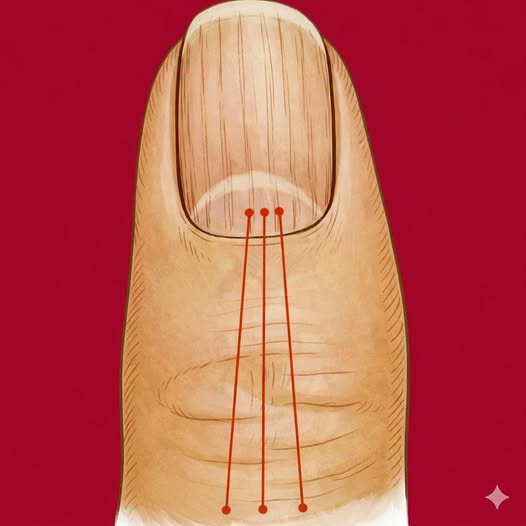
Noticing thin vertical lines running from the base of your fingernails to the tips can be surprising, especially as they become more visible with age. Many people first see them after 40, and in most cases, they are completely normal. These lines are known as vertical or longitudinal nail ridges. They are usually a natural part of aging, similar to wrinkles in the skin or changes in hair texture. Nails evolve as the body matures, and these subtle changes are generally harmless.
Biological Sciences
Fingernails are made of keratin, a protein produced in the nail matrix beneath the cuticle. Over time, this production can slow or become uneven, creating ridges along the nail surface. Dryness often makes these ridges more noticeable. As we age, nails retain less moisture, and frequent handwashing, cleaning products, or harsh soaps can strip away natural oils, emphasizing the lines.
Lifestyle and internal factors may also influence nail appearance. Mild nutritional imbalances, especially involving nutrients that support nail health, can affect growth and texture. Circulation changes play a role as well, since healthy blood flow delivers oxygen and nutrients to the nail matrix. Gradual shifts in circulation can subtly alter nail texture over time.
Caring for aging nails is simple and effective. Regularly moisturizing nails and cuticles helps reduce dryness, while wearing gloves during chores protects against chemicals and excess water. Staying hydrated, eating a balanced diet, and filing nails gently all support healthier growth. While vertical ridges are usually harmless, staying aware of changes in color, shape, or comfort can help you monitor overall nail and general health.