Ana’s final days were marked by symptoms that many people are taught to dismiss. Cramping, fatigue, and dizziness were treated as routine discomforts, even as they steadily worsened. What seemed familiar on the surface was, in reality, something far more serious. Like many others, she had learned to push through pain.
The idea that these symptoms were “normal” made it harder to recognize when something was truly wrong. By the time the severity became clear, the situation had already progressed beyond what could be easily treated. Her passing left her family and community searching for understanding.
Visual Art & Design
Questions remained, along with the difficult realization that earlier attention might have changed the outcome. The loss was not only emotional, but also deeply instructive. In response, her loved ones began sharing her story. Their goal is to raise awareness about symptoms that should never be ignored. They emphasize that ongoing or severe discomfort deserves attention, not dismissal.
They are encouraging people to listen carefully to their bodies. Sudden changes, intense pain, or unusual patterns are signals that something may need medical evaluation. Acting early can make a meaningful difference.
This message also extends to how concerns are received. When someone expresses that something feels wrong, it is important that they are taken seriously. Supportive listening can lead to quicker action and better outcomes.
\
Ana’s story is helping to shift perspectives. It highlights the importance of education and awareness around health issues that are sometimes minimized. Greater understanding can lead to more timely care.
Her legacy is one of awareness and advocacy. By sharing what happened, her family hopes others will feel empowered to seek help when needed. It is a reminder that paying attention to warning signs can help protect health and well-being.
A wave of restaurant closures is sending a clear signal across the food service industry: even well-established brands are under pressure. What once seemed like isolated incidents has become a broader trend of consolidation and restructuring.
Rising operating costs, shifting consumer habits, and intense competition are forcing many chains to rethink how they operate in today’s challenging economic climate.
Experts point to several factors behind this shift. Prices for ingredients and labor continue to rise, while fees from third-party delivery platforms cut into already thin margins.
Many customers are dining out less, opting for home-cooked meals or cheaper alternatives. These trends place franchise owners in a difficult position, requiring careful cost control without compromising food quality or service.
The effects go beyond finances. Employees face sudden job uncertainty when locations close, and communities lose familiar gathering spots and employers.
For franchise-driven models, closures highlight the need for long-term planning and clear communication. Thoughtful strategies can help ease the impact on workers and neighborhoods while allowing companies to adapt responsibly.
One chain currently navigating these challenges is Papa John’s, which has confirmed multiple store closures to adjust to market conditions.
While focusing on strengthening core operations, analysts note that its situation reflects pressures facing fast-food chains nationwide. How major brands respond—through streamlined locations, updated menus, or new service models—will shape the future of dining in a rapidly evolving marketplace.
This trend shows that success in the restaurant industry now depends on adaptability, strategic planning, and attention to both customers and communities. Brands that adjust effectively are more likely to thrive in the years ahead.
The Sprouse twins, now 30, have moved far beyond their Disney Channel beginnings. Born on August 4, 1992, the identical brothers became household names as Zack and Cody Martin on The Suite Life of Zack & Cody and its sequel, The Suite Life on Deck.
Fans loved their comedic timing and sibling chemistry, but both have since pursued paths well beyond childhood fame, exploring creative and professional avenues on their own terms.
Discover more
Family bonding activities
Estate planning services
Group tour packages
After Disney, they stepped back from acting to focus on education at New York University. One studied video game design, the other humanities and archaeology, reflecting a desire for intellectual and creative growth.
During this time, they discovered passions that later shaped their professional and personal lives, allowing them to explore interests outside of Hollywood’s spotlight.
Recently, the twins returned to the spotlight with diverse projects. One starred in films across genres, from romance to action, while co-founding a successful small business.
The other gained acclaim for a breakout TV role, transitioning into independent and mainstream films, while building a photography portfolio and contributing to editorial projects.
Off-screen, Dylan and Cole Sprouse have fulfilling personal lives. Dylan married model Barbara Palvin in 2023, and Cole has been with Ari Fournier since 2021.
Both continue to balance family, careers, and creative passions. While fans hope for a Suite Life reunion, the twins emphasize that any future project would need to be meaningful and creatively rewarding, proving that life after child stardom can flourish through reinvention, purpose, and personal growth.
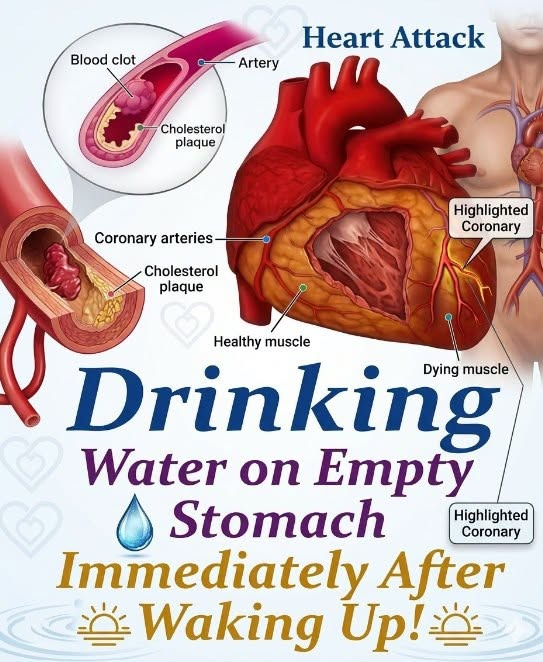
Water is essential for life, making up about 60% of the human body. It helps carry nutrients, regulate temperature, and keep joints working smoothly. Many people say drinking water first thing in the morning boosts health, detoxes the body, or speeds up metabolism.
But is that true? Drinking water in the morning can help you start the day hydrated, but research shows there’s no special benefit tied to the timing.
The body removes toxins naturally through the kidneys and liver, so water doesn’t flush them out more effectively in the morning.
Some studies suggest drinking water before meals may help with weight management by making you feel fuller.
Still, the timing isn’t critical, and drinking too close to meals might bother digestion for some people. Trends like Japanese Water Therapy encourage several glasses of room-temperature water upon waking.
While it can help people remember to drink water, its health claims are mostly unproven. Extreme routines may even carry risks, such as water overload or unexpected hunger from strict rules.
The key is staying hydrated throughout the day. Water needs differ by age, activity, and climate. The common “8×8” rule — eight 8-ounce glasses — is a rough guide, but personal needs matter most.
Drinking water in the morning is fine, but the most important thing is consistent hydration every day. That’s what truly supports energy, focus, and overall health.
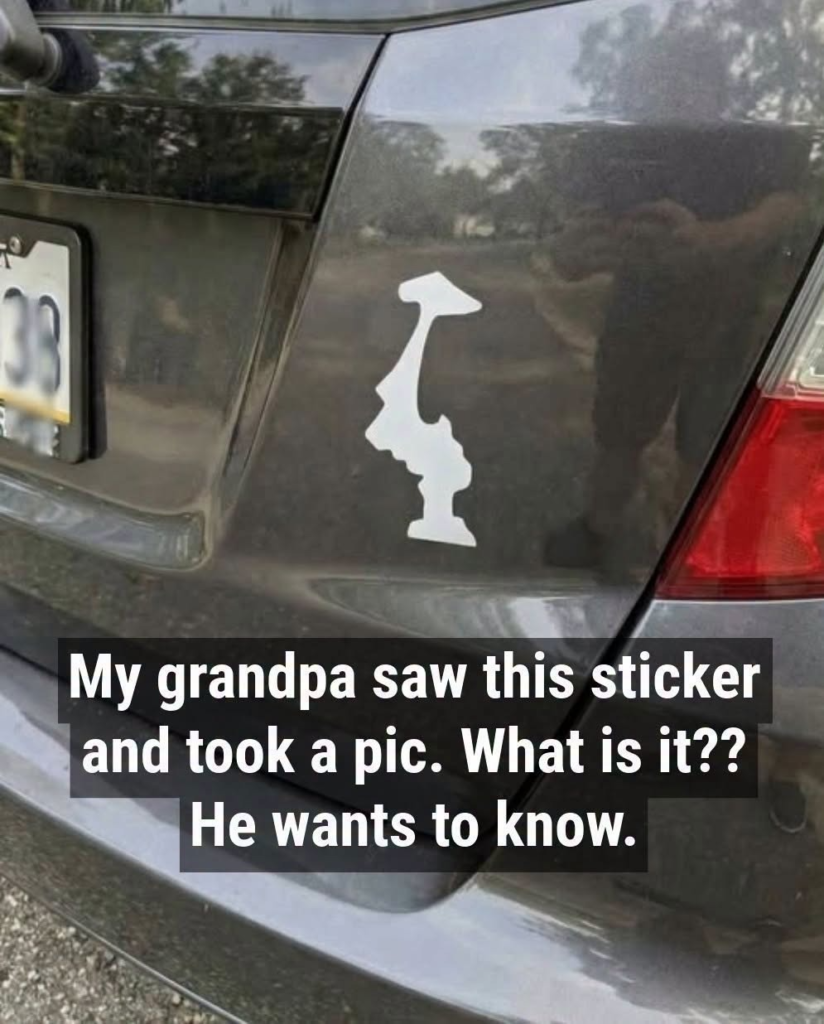
If you’ve spent time on highways across the Pacific Northwest or traveled through outdoor recreation destinations around North America, you may have noticed an unusual decal on the back of some vehicles: the outline of Washington State displayed upside down.
At first glance, many people assume the sticker was applied incorrectly. The familiar shape of the state is easy to recognize, and seeing it inverted naturally catches the eye. Yet in many cases, the placement is completely intentional. Far from being a mistake, the upside-down Washington decal has become a small but meaningful symbol for people who maintain a strong connection to the Evergreen State even after moving elsewhere.
Over the years, this simple design has evolved into a conversation starter among travelers, outdoor enthusiasts, former residents, and people who continue to identify strongly with the culture and landscapes of the Pacific Northwest. While there is no official organization behind the trend, the symbol has gained popularity through word of mouth, social media, and the shared experiences of people who once called Washington home.
The appeal of the sticker begins with geography. Washington is a state known for its distinctive natural beauty. Snow-capped mountain ranges, dense evergreen forests, rugged coastlines, volcanic peaks, and scenic waterways have shaped the identity of generations of residents. For many people, these landscapes become deeply tied to personal memories and life experiences.
Whether someone grew up hiking in the Cascade Mountains, spending summers near the Puget Sound, exploring Olympic National Park, or simply enjoying the state’s unique combination of urban and outdoor lifestyles, Washington often leaves a lasting impression. Even after relocating, many former residents continue to feel connected to the places that influenced their lives.
The upside-down sticker has become one way of expressing that connection.
Rather than representing negativity, the inverted design is commonly interpreted as a playful acknowledgment that life has taken someone somewhere different. The sticker suggests that the owner’s perspective has changed because they now live elsewhere while still maintaining emotional ties to Washington.
For some, the upside-down state symbolizes being geographically removed from home. Others see it as representing a life journey that has led them in a new direction. Because the meaning is open to interpretation, the decal resonates with a wide variety of people who share similar experiences of relocation and change.
Discover more
Meal kit subscriptions
European travel guides
Group tour packages
The trend appears particularly popular among individuals who enjoy outdoor recreation and travel. It is common to see the stickers displayed on vehicles designed for adventure, including camping vans, overlanding rigs, hiking vehicles, ski cars, and road-trip-ready SUVs.
This connection is not surprising. Washington has long been known for its outdoor culture. Activities such as hiking, skiing, mountain biking, kayaking, climbing, fishing, and camping play an important role in the lifestyle of many residents. People who move away often bring those interests with them, carrying a piece of Pacific Northwest culture wherever they go.
For these travelers, the sticker can serve as a reminder of where their passion for outdoor exploration began. It represents a personal history rather than simply a geographic location.
The popularity of the decal has also been supported by independent artists and small businesses throughout the Pacific Northwest. Many of the designs are created and sold by local creators who specialize in regional artwork and outdoor-themed merchandise.
These stickers are typically made from durable vinyl materials designed to withstand years of exposure to sunlight, rain, snow, and road conditions. Because they are intended for long-term use, many owners keep them on their vehicles for years, allowing the sticker to become part of the vehicle’s identity.
As a result, the decals often accumulate their own stories. A sticker may travel across multiple states, visit national parks, cross international borders, or accompany its owner through major life transitions. Over time, it becomes more than a decorative accessory—it becomes a visual record of personal experiences.
One reason the trend continues to attract attention is that it balances sincerity with humor. Many people who display the upside-down sticker genuinely love Washington and miss aspects of life there. At the same time, the design allows them to express that connection in a lighthearted way.
Instead of using a traditional state outline, college logo, or tourism-themed decal, the inverted design adds an element of creativity. It signals appreciation for Washington while avoiding the seriousness often associated with displays of regional pride.
Discover more
Genealogy websites
Estate planning services
Family dinner recipes
This playful quality has helped the sticker gain recognition among former residents. People who understand the symbolism immediately recognize the message, while newcomers often become curious enough to ask about it.
The resulting conversations frequently revolve around shared experiences. People exchange stories about favorite hiking trails, memorable road trips, neighborhoods they once lived in, and places they hope to revisit. In this way, the sticker acts as a social connector, bringing together individuals who might otherwise never realize they share a common background.
Interestingly, the trend reflects a broader cultural phenomenon that extends far beyond Washington. Modern life is increasingly mobile. Many people relocate for education, employment opportunities, family reasons, or lifestyle changes. As a result, individuals often develop strong emotional attachments to places they no longer live.
The question of whether pork is considered red meat or white meat has sparked countless debates around dinner tables for years. Some people insist it’s white meat because of advertising campaigns and its lighter appearance when cooked, while others argue it belongs in the same category as beef and lamb. The confusion is understandable, but the scientific answer is much clearer.
From a nutritional and biological standpoint, pork is classified as red meat. Meat is categorized based on the amount of myoglobin—a protein that stores oxygen in muscle tissue. Animals such as pigs, cows, lambs, and goats have higher levels of myoglobin than poultry, which gives their meat its classification as red meat, regardless of how light or dark it appears after cooking.
The phrase “the other white meat” became widely recognized through a successful marketing campaign launched decades ago to encourage consumers to view pork as a lean alternative to beef. While certain cuts of pork, such as pork loin or tenderloin, are relatively lean and may resemble chicken when cooked, this advertising slogan did not change its official nutritional classification.
That doesn’t mean pork is unhealthy. Lean cuts can provide high-quality protein, B vitamins, zinc, and other important nutrients while containing less fat than many people expect. As with any meat, choosing lean cuts, limiting heavily processed products like bacon and sausage, and preparing pork with healthier cooking methods can make it part of a balanced diet.
So while the debate continues in many households, nutrition experts agree on the classification: pork is scientifically considered red meat. The confusion comes from its appearance and decades of memorable advertising, but its biological makeup places it firmly in the red meat category.
For generations, people have believed that a snake entering a home is a sign of good luck, bad luck, hidden treasure, or even a spiritual message. Stories like these continue to circulate on social media, leaving many homeowners wondering whether the appearance of a snake has a deeper meaning. In reality, the explanation is usually much simpler and based on the animal’s natural behavior.
Snakes often enter homes while searching for food, water, shelter, or a safe place to escape extreme weather. If a property has mice, insects, pet food, clutter, or small gaps around doors and foundations, it may become an attractive place for a snake to explore. Cooler indoor temperatures during hot weather or warmer spaces during cold seasons can also draw them inside.
Most snakes are not aggressive and will try to avoid people whenever possible. Many species are harmless and actually play an important role in controlling rodent populations. However, because some snakes can be venomous depending on the region, it is important not to assume a snake is harmless based solely on its appearance. Keeping a safe distance is always the best approach.
If you discover a snake indoors, avoid attempting to handle or corner it. Keep children and pets away, close off the room if possible, and contact local animal control or a licensed wildlife removal service if the snake cannot leave safely on its own. Sealing entry points around the home and reducing food sources such as rodents can also help prevent future visits.
Despite many popular myths, a snake entering your house is not a reliable sign of fortune, danger, or supernatural events. More often than not, it simply means the animal found an opening and was searching for the basic necessities of survival, just as any wild creature would.
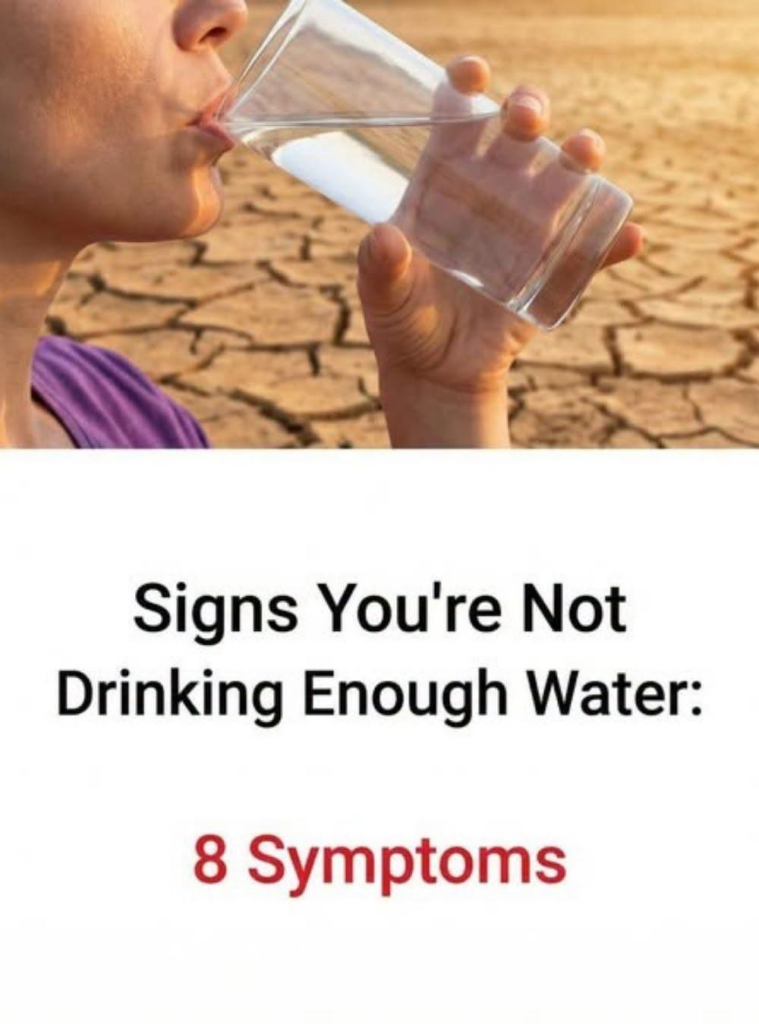
Water is essential for nearly every function in the human body, from regulating temperature to supporting digestion and helping transport nutrients. Even mild dehydration can affect how you feel and perform throughout the day. Because the early signs are often subtle, many people don’t realize they simply need to drink more fluids.
One of the first symptoms of dehydration is increased thirst, often accompanied by a dry mouth or sticky feeling inside the mouth. Other common signs include darker-colored urine, urinating less frequently than usual, fatigue, headaches, dizziness, and difficulty concentrating. These symptoms may become more noticeable after exercise, during hot weather, or when you’re ill.
As dehydration becomes more significant, the body has a harder time maintaining normal functions. Some people may experience muscle cramps, dry skin, constipation, or a faster heartbeat. In severe cases, dehydration can lead to confusion, fainting, low blood pressure, or heat-related illnesses that require prompt medical attention.
The amount of water each person needs varies depending on age, body size, activity level, climate, and overall health. While there is no single amount that is right for everyone, staying hydrated by drinking water regularly and paying attention to your body’s thirst signals is generally a good approach. Foods with high water content, such as fruits and vegetables, can also contribute to your daily fluid intake.
Recognizing the signs of dehydration early can help you prevent more serious health problems. Making hydration a regular habit supports normal body function, helps maintain energy levels, and allows your organs to work efficiently throughout the day.
Jennifer knew the moment she stepped into the ballroom that every camera would be pointed in her direction. Instead of choosing a custom designer gown costing thousands of dollars, she surprised everyone by wearing a simple blush-colored dress that looked remarkably similar to one sold on Temu. Within hours, whispers filled the room, and by the next morning, critics were mocking her fashion choice as if it were a national scandal.
The comments grew harsher throughout the day. Some questioned why the wife of a high-profile public figure would wear what they believed was an inexpensive dress to such a prestigious event. Others accused her of lowering the standard expected at one of Washington’s most glamorous evenings. Jennifer remained silent while the criticism continued to spread, refusing to defend herself before anyone knew the full story.
A few days later, she finally explained why she had chosen the gown. Months earlier, she had quietly pledged to donate the money she would have spent on an expensive designer dress to a charity supporting military families facing financial hardship. Rather than making a public announcement, she wanted the donation to remain private. She believed that spending thousands on a dress she would wear once made little sense when that money could help families in need.
Her explanation changed the conversation almost overnight. Many of the same people who had criticized her began praising her decision, admitting they had judged her too quickly. Others were inspired by the idea that elegance does not have to come with an extravagant price tag and that generosity can matter far more than a designer label.
Jennifer never intended to start a debate about fashion. She simply wanted her actions to reflect her values rather than public expectations. In the end, the dress that drew so much backlash became a reminder that appearances rarely tell the whole story, and kindness often speaks louder than luxury.
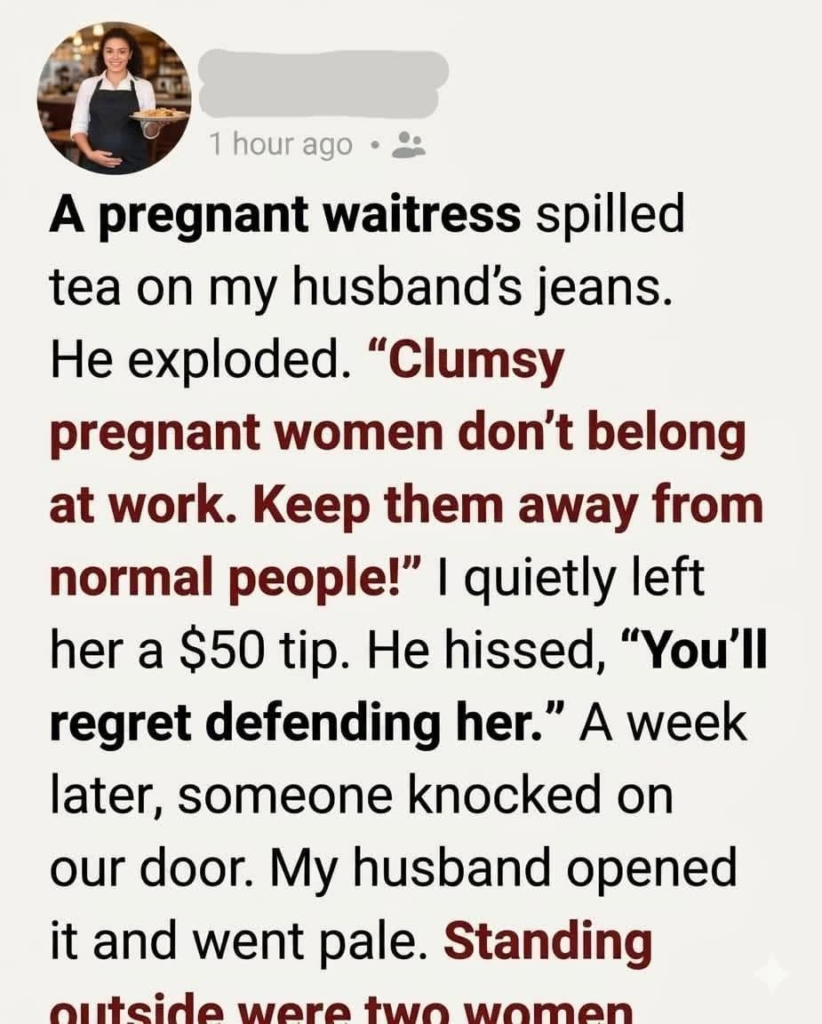
The restaurant fell silent the moment the cup slipped from the waitress’s hand. A splash of hot tea landed across my husband’s jeans, and before the young pregnant waitress could finish apologizing, he was already shouting loud enough for everyone to hear. “Clumsy pregnant women don’t belong at work. Keep them away from normal people!” His words cut through the room like a knife. The woman stood frozen, fighting back tears as she repeatedly apologized. Before we left, I quietly slipped a $50 bill into her hand and whispered that accidents happen to everyone.
On the drive home, my husband was furious that I had defended her. He insisted I had embarrassed him by taking her side and warned that I would regret it. I refused to argue, but something about the cruelty he had shown toward a frightened young woman stayed with me. I couldn’t stop thinking about the look on her face as she thanked me through tears.
Exactly one week later, someone knocked on our front door. My husband opened it confidently, but the color immediately drained from his face. Standing outside were two women. One was the pregnant waitress. The other introduced herself as the owner of the restaurant. She calmly explained that several customers had recorded the entire incident and that the video had spread through the community. She had come not for revenge, but to return the $50 tip because the waitress wanted me to know my kindness had helped restore her faith in people.
Before leaving, the restaurant owner handed my husband an envelope. Inside was a notice informing him that the company where he worked had canceled its annual business banquet at the restaurant after seeing the footage. Several local organizations had also decided they no longer wished to do business with someone whose behavior reflected such open disrespect toward others. For the first time since I had known him, he had nothing to say.
Watching those two women walk away, I realized the biggest lesson had nothing to do with spilled tea. Accidents can be cleaned up in minutes, but cruel words often leave stains that last much longer. Compassion had quietly won where anger had failed, and my husband finally understood that respect is something no one can demand—it must be earned.