Grief hollows out your family, your home, your memory of who you used to be. Most people in those moments get quiet and stay that way. The ones who don’t, the ones who show up with courage and mercy and stubborn compassion, are what keeps humanity from going completely dark. These real stories prove that kindness finds people in the strangest places.
1.
My wife passed away after a long illness. Her perfume bottle sat untouched on the shelf, but the level kept dropping. I lived alone and never used it. One night, I hid the bottle. By 6 a.m., it was back on the shelf. So, I set an alarm for 4 a.m. What I saw left me completely stunned. It was back on the shelf again!
I was so confused! One day, I told my daughter about it over the phone. I could tell from her voice that she was crying. “That was me, Dad,” she said.
It turns out she had been stopping by to check on me after her night shifts ended. By then, I was always asleep. She would spray her mother’s perfume onto a handkerchief so that she could still smell her before going to bed. She had been doing this for quite some time because it was the only thing that helped her cope with her profound loss.
Advertisements
The next night, I waited for her. When she arrived, I gave her the perfume and told her that she could have just asked instead of sneaking in. Then, as if we’d both been carrying the same heavy burden alone, we hugged.
After my son passed away, his photos started disappearing from the walls. The hallway first, then the living room, then the bedroom. I asked my husband if he’d moved them. He looked at me like I was confused and said he had no idea what I was talking about, that he didn’t notice anything missing.
That scared me more than the missing frames. I left work early one afternoon and opened the door to find my MIL on her knees by the couch, wrapping a frame in a dish towel.
She’d been coming in with her spare key every few days, taking one photo at a time. My husband had called her after everything happened and told her he couldn’t breathe with his son’s face on every wall, but didn’t want to be the one to take them down because he thought it would hurt me.
So she had been doing it for him, one frame at a time, and he had been pretending not to notice so I wouldn’t ask. She looked up at me from the floor. Neither of us said anything. She finished wrapping the frame, put it in the box, and set her hand on top of mine.
3.
My husband passed away three years ago. Last April, at 11 at night, I got a text from his number. “Sleep well.” My heart stopped. I read it four, five, six times. I thought I was dreaming, that the weight of his absence had finally done something to my mind.
I called. Nothing. I sent messages until my hands were shaking. I told my sister, my friends, my mother. Everyone told me it was probably a misunderstanding and that I should forget about it and move on.
Then the next night, another one. “Don’t miss me too much.” I went to the police, but there was nothing they could do.
The following afternoon my phone rang. A man’s voice, asking for someone I’d never heard of. He was about to hang up when I asked him to wait and told him everything. Long silence. Then: “They gave me this number six months ago. I had no idea.”
The messages were intended for someone whose number he had entered incorrectly, which is why they ended up being sent to me. I cried in a way I hadn’t in years. He stayed on the phone for over an hour. He didn’t try to explain it away or tell me to calm down. He still sends me a message every few weeks to check on me. We have never met, but he chose not to hang up, and something in me that had been frozen for three years finally moved.
4.
After my son passed away, I wanted to move away to escape the heavy sorrow. The landlady came and took down the doorframe with his height marks on it. “New tenants don’t pay for pencil marks!” His last memory was gone.
Two weeks later, she came back crying. She said, “My grandson— Same apartment. Same wall. When they repainted, his marks disappeared. I never got them back.”
She was holding a frame. Behind the glass were all his pencil lines. His name. His ages. “I couldn’t let them sand a kid off a wall,” she said.
5.
I had my dog taxidermied when he passed away. I had Biscuit for 14 years. When he left us I couldn’t put him in the ground, so I didn’t. I had him preserved and kept him home with me. My mom said it was morbid and strange and threatened to throw him in the trash if I didn’t do it myself.
One afternoon I came home and Biscuit wasn’t there. I looked everywhere. I checked every room twice. At some point I sat down on the living room floor and just fell apart, because I was sure my mom had finally done it.
My husband walked in and found me on the floor. He took my hand and said come here, I want to show you something. He’d cleared a corner of his gaming room. Biscuit’s old bed. His toys. His leash hanging on a little hook. He said he’ll be safe here. Nobody’s touching him.
I cried harder than I had since the day Biscuit was gone. But it was different. For a whole year people had made me feel like I was broken for processing my loss the way I did, and in about thirty seconds my husband undid all of it. Biscuit is in his corner right now. My husband is next to him playing Xbox. That’s it. That’s the whole story.
6.
I donated my mother’s clothes three weeks after she passed away, but I didn’t tell my sister. When she found out she stopped speaking to me, and I understood why, those were her things too, but I had needed them gone and I hadn’t thought past that. We didn’t talk for almost a year.
Then she called. She told me that when she found out, she had gone to the donation center looking for the clothes. She didn’t find much. But while she was there a woman came in and started going through the racks with this very specific focus, pulling things out, holding them up, putting them back.
My sister asked if she was looking for something in particular. The woman said she had a job interview in two days, the first one in four years, and nothing to wear.
My sister spent two hours with her. She pulled every piece that worked, talked her through what to say when they asked about the gap in her resume. The woman got the job. They still talk every week.
My sister said, “I went there to be angry and I ended up doing exactly what Mom would have done with those clothes.”
7.
My mother passed away in November. In January I got a letter from her. Same handwriting, same curl on the capital of my name. I sat outside the mailbox in my car before I could open it.
She wrote about the garden, a recipe, reminders to take a coat when it rains. Present tense. I called my sister screaming.
The third letter came and I just held it without opening it. My mother’s best friend called that same afternoon and I told her, mostly because I’d run out of people to tell. Long silence. Then she started crying.
My mother had spent her last months writing one letter for each month of the first year. She had given them to her friend in a shoebox and made her promise not to say anything. She wanted to keep reaching me through the small things, the coat, the garden, the recipe.
There are four letters I haven’t opened yet. I’m not ready. But I know they’re there.
8.
I failed math the year my brother passed away. I missed too many classes, fell behind, and by the time I surfaced enough to care it was already too late. I went to pick up my grades expecting to repeat the year.
The math teacher, who was known for being the kind of man who would penalize students for arriving two minutes late, had given me a passing grade.
Years later I ran into him at a market and finally asked. He was quiet for a while. Then he told me he had lost his own brother when he was seventeen. He said he recognized something in my face that year that he hadn’t been able to fix in himself for a long time, and that passing me was the only thing he could think to do with that.
9.
I scraped a person’s car in the parking lot of the memorial hall. I was running late to my father’s wake, shaking, not thinking, and I caught the bumper pulling out. I wrote my number on a receipt I found in my bag and tucked it under the wiper.
Nobody called. I forgot about it, or tried to.
Three weeks later, deep in the worst of it, I got a text from a number I didn’t recognize. “I saw your face when you left that note. I hope things got easier.”
That was all. I still don’t know how he knew. I never replied because I didn’t have words for it. But I’ve thought about it more times than I can count, a man in a parking lot who saw a woman who was already broken and chose to say something, weeks later, when she might need it more.
10.
My mother passed away in November. In January I got a letter from her. Same handwriting, same curl on the capital of my name. I sat outside the mailbox in my car before I could open it.
She wrote about the garden, a recipe, reminders to take a coat when it rains. Present tense.
I called my sister screaming.
The third letter came and I just held it without opening it. My mother’s best friend called that same afternoon and I told her, mostly because I’d run out of people to tell. Long silence. Then she started crying.
My mother had spent her last months writing one letter for each month of the first year. She had given them to her friend in a shoebox and made her promise not to say anything.
She wanted to keep reaching me through the small things, the coat, the garden, the recipe.
There are four letters I haven’t opened yet. I’m not ready. But I know they’re there.
Turning 70 is a remarkable milestone that reflects a lifetime of experiences, achievements, and personal growth. While aging brings natural changes to the body and mind, it also offers opportunities to focus on healthy habits that support independence and well-being. Understanding these changes can help older adults make informed decisions and enjoy a fulfilling lifestyle in the years ahead.
Health
One of the most noticeable changes after age 70 is the gradual loss of muscle mass and strength. This process is a normal part of aging, but staying physically active can make a significant difference. Gentle strength-training exercises, regular walking, and a diet rich in protein can help maintain mobility, improve balance, and support everyday activities. Small, consistent efforts often lead to meaningful long-term benefits.
Balance and coordination may also change with age. Vision, hearing, and the body’s ability to sense movement can become less responsive over time, increasing the risk of falls. Fortunately, activities such as stretching, balance exercises, tai chi, and regular movement can help improve stability. Creating a safe home environment and staying active are practical steps that support confidence and independence.
Social connections remain an important part of healthy aging. Retirement, family changes, or relocation can sometimes reduce opportunities for regular interaction. Staying connected with friends, family members, community organizations, or local groups can contribute to emotional well-being and provide valuable support. Meaningful relationships often play a key role in maintaining a positive outlook on life.
Another important consideration is hydration and temperature awareness. As people age, the body’s ability to recognize thirst and adjust to temperature changes may become less efficient. Drinking water regularly throughout the day and paying attention to weather conditions can help support overall health. Simple routines can make it easier to stay comfortable and energized.
Sleep patterns may also evolve over time. Many older adults find that they wake up more frequently during the night or experience lighter sleep. Establishing a consistent bedtime routine, limiting screen use before bed, and getting natural daylight during the day can help encourage healthier sleep habits. Quality rest supports memory, mood, and daily energy levels.
The key to healthy aging is focusing on manageable daily habits rather than striving for perfection. Regular physical activity, balanced nutrition, social engagement, proper hydration, and good sleep practices can all contribute to a higher quality of life. If new or persistent health concerns arise, consulting a healthcare professional can provide guidance and support. With the right approach, the years after 70 can be active, rewarding, and full of meaningful experiences.
The day we buried my father, Edward Nelson, I believed the hardest part was over. As family members quietly left the cemetery, my stepmother, Dorothy, approached me without saying much. She placed an old brass key in my hand and gently said, “There’s something your father wanted you to discover when the time was right.” Then she walked away toward the house carrying only a small canvas bag. For years, I had assumed Dorothy had married my aging father for financial security, but in that moment, I realized there was a story I had never been told.
Family
When my father introduced Dorothy as his future wife three years earlier, my siblings and I were skeptical. We questioned her intentions and watched every move she made. Instead of changing the house or claiming ownership over my late mother’s belongings, Dorothy quietly cared for my father through his declining health. She respected my mother’s memory, never removed a single photograph, and rarely spoke about herself. After the funeral, she surprised all of us by declining any inheritance. Before leaving, she looked at my mother’s framed picture and softly said, “She was one of the bravest people I’ve ever known.”
The key opened a small door hidden behind an old utility room that I had ignored since childhood. Inside was a carefully preserved space unlike anything I expected. The walls displayed photographs, handwritten notes of encouragement, and shelves filled with journals. At the center stood a framed picture of my mother, Constance, smiling with quiet confidence. Beside it was a simple wooden sign that read, “The Violet House — A Place of Hope.” The room was not a forgotten storage area at all. It had once been a private refuge created to help people facing difficult circumstances rebuild their lives with dignity and support.
Dorothy explained that many years earlier, she had arrived at our home during one of the most challenging periods of her life. My mother had welcomed her without asking for anything in return and helped her find safety, stability, and a fresh beginning. Over time, Constance quietly assisted others in similar situations, offering encouragement, temporary shelter, and connections to community resources. Very few people knew about her work because she believed kindness did not require recognition. Eventually, growing concerns for the family’s privacy led her to close the project, and she never spoke publicly about it again.
Before my mother passed away, she wrote Dorothy a heartfelt letter asking her to return one day if our family was ever ready to learn the truth. Hidden beneath a small decorative statue in the room was another envelope containing carefully preserved documents and family records. As we read through them, we discovered that years earlier my parents had lovingly welcomed a young child into our family after extraordinary circumstances brought him into their care. They had raised him as their own, believing that love, rather than biology, was what truly defined a family.
Family
The discovery deeply affected my brother Frank, who learned that his earliest beginnings were far different from the story he had always known. Although surprised, he also realized that nothing about the parents who raised him had changed. Edward and Constance had given him a childhood filled with love, opportunity, and unwavering support. Dorothy remained beside him throughout the emotional conversation, reminding all of us that the greatest gift our parents left behind was not property or savings, but compassion and the courage to help others without expecting anything in return.
As evening settled over the old family home, another visitor arrived carrying additional records connected to our parents’ quiet acts of generosity. Together, the documents completed a story that had remained hidden for decades. The mystery surrounding Dorothy disappeared completely, replaced by deep gratitude for the woman who had faithfully protected my parents’ final wishes. Walking through the hidden room one last time, I realized the greatest inheritance my father had left us was not a house or financial security—it was the example of kindness, integrity, and the reminder that even long-kept family secrets can ultimately reveal extraordinary acts of love.
Many people imagine that mobility problems appear suddenly in old age. One day they are walking comfortably, and the next they find themselves struggling with stairs, dealing with aching joints, or feeling less steady on their feet.
In reality, however, healthy aging is usually the result of habits developed over many years. The choices we make in our 30s, 40s, 50s, and 60s can have a significant impact on how we feel decades later.
One of the most important factors in maintaining independence as we age is preserving strong bones and muscles. Healthy bones provide the framework that supports the body, while strong muscles help us move safely, maintain balance, and perform everyday activities with confidence.
Although genetics certainly play a role in bone health, lifestyle choices matter too. Nutrition, physical activity, sleep, sunlight exposure, and overall wellness habits all contribute to long-term mobility and quality of life.
The good news is that supporting bone health does not require complicated diets or expensive supplements for most people. Many of the nutrients associated with healthy bones can be found in common foods that are easy to include in everyday meals.
If your goal is to remain active, maintain your independence, and continue enjoying daily activities well into your later years, these six food groups deserve a regular place on your plate.
Why Bone Health Matters More Than Many People Realize
Bones are living tissues that continuously rebuild and renew themselves throughout life.
During childhood and early adulthood, the body typically builds bone faster than it breaks it down. Bone density generally reaches its peak during the late teens and twenties.
After that point, the balance gradually shifts.
As people age, the body may lose bone mass more quickly than it can replace it. This process is natural, but it can become more noticeable over time.
Women often experience accelerated bone loss after menopause due to hormonal changes. Men can also experience gradual declines in bone density as they age.
Because this process occurs slowly, many individuals are unaware that their bones are becoming weaker until they experience a problem.
This is one reason healthcare professionals often encourage preventive habits long before symptoms appear.
Strong bones support more than posture and movement. They also help reduce the risk of fractures, maintain physical independence, and contribute to overall quality of life.
Combined with healthy muscles and good balance, strong bones create a foundation for active aging.
Eggs: A Simple Source of High-Quality Nutrition
Eggs are among the most versatile and affordable foods available.
Whether scrambled, boiled, poached, or added to recipes, eggs provide a variety of nutrients that support overall health.
One of their greatest strengths is their high-quality protein content.
Protein plays an important role in maintaining muscle mass, particularly as people age. Strong muscles help stabilize joints, improve balance, and reduce the risk of falls.
Falls remain one of the leading causes of injuries among older adults, making muscle maintenance an important component of healthy aging.
Eggs also contain several vitamins and minerals that support general wellness.
Although eggs are not considered a major source of calcium, they contribute valuable nutrition that complements a bone-supportive diet.
Many nutrition experts recommend including adequate protein throughout the day rather than relying on a single meal.
Eggs provide a convenient way to achieve that goal.
Whether enjoyed at breakfast, lunch, or dinner, they can be part of a balanced eating pattern that supports both muscle and bone health.
Leafy Green Vegetables: Nutrient Powerhouses for Healthy Bones
When people think about bone health, calcium often receives most of the attention.
However, bones rely on many nutrients working together.
Leafy green vegetables contain several important compounds that contribute to this process.
Vegetables such as kale, bok choy, collard greens, mustard greens, spinach, and other leafy varieties provide vitamins and minerals that support overall health.
Vitamin K is one nutrient commonly found in leafy greens.
This vitamin plays a role in maintaining normal bone metabolism and supports proteins involved in bone structure.
Leafy vegetables also provide magnesium, which contributes to numerous functions throughout the body, including processes related to bone health.
In addition to their nutritional benefits, leafy greens are naturally low in calories while providing fiber and antioxidants.
This combination supports overall wellness and may help individuals maintain a healthy body weight.
Experts often encourage people to consume a variety of vegetables rather than relying on a single type.
Different vegetables contain different nutrient profiles, making variety an important part of a balanced diet.
Adding leafy greens to salads, soups, smoothies, stir-fries, or side dishes is an easy way to increase nutrient intake throughout the week.
Milk and Dairy Products: Reliable Sources of Calcium and Protein
Milk has long been associated with strong bones, and for good reason.
Dairy products are among the most concentrated dietary sources of calcium available.
Calcium is a key mineral found within bone tissue and plays an important role in maintaining bone structure.
Milk, yogurt, and cheese can all contribute to daily calcium intake.
In addition to calcium, dairy products often provide protein, phosphorus, potassium, and other nutrients that support overall health.
Yogurt offers another potential advantage because many varieties contain beneficial bacteria that support digestive health.
For individuals who tolerate dairy products well, incorporating them into meals and snacks can be a practical way to support nutritional goals.
Some people choose not to consume dairy because of personal preferences, allergies, or lactose intolerance.
In those situations, alternative calcium-rich foods may help fill nutritional gaps.
Fortified plant-based beverages and other calcium-containing foods can also contribute to overall intake.
The key is ensuring that the body receives adequate nutrition through a balanced eating pattern.
Nuts and Seeds: Small Foods with Big Nutritional Benefits
Nuts and seeds may be small, but they contain an impressive collection of nutrients.
Almonds, walnuts, chia seeds, sesame seeds, pumpkin seeds, and cashews are just a few examples.
These foods provide healthy fats, fiber, plant-based protein, vitamins, and minerals.
Among their many nutrients is magnesium, which supports numerous biological functions.
Magnesium participates in processes related to bone structure and overall health.
Nuts and seeds also contribute healthy unsaturated fats, which are often recommended as part of heart-conscious eating patterns.
One advantage of nuts and seeds is their versatility.
They can be added to oatmeal, yogurt, salads, smoothies, baked goods, or enjoyed as convenient snacks.
Because they are calorie-dense, moderation remains important.
However, when consumed as part of a balanced diet, they provide valuable nutrients that support long-term wellness.
Regularly including a variety of nuts and seeds can help diversify nutrient intake while adding texture and flavor to meals.
Vitamin C-Rich Fruits: Supporting the Body’s Natural Structure
Colorful fruits offer more than sweetness and flavor.
Many are rich sources of vitamin C, a nutrient involved in the production of collagen.
Collagen is an important structural protein found throughout the body, including connective tissues associated with bones, skin, tendons, and ligaments.
Citrus fruits such as oranges, grapefruits, lemons, and mandarins are well-known sources of vitamin C.
However, many other fruits provide substantial amounts as well.
Guava, kiwi, strawberries, papaya, and various berries are excellent examples.
Eating a variety of fruits supports overall nutrition while providing fiber, antioxidants, and essential vitamins.
Research consistently shows that diets rich in fruits and vegetables are associated with numerous health benefits.
The goal is not to focus on any single “superfood” but rather to create a balanced eating pattern that includes diverse sources of nutrients.
Fresh fruit makes an excellent snack, dessert, or addition to meals throughout the day.
Its convenience and natural sweetness make it one of the easiest healthy habits to maintain.
Fatty Fish: A Valuable Source of Key Nutrients
Fatty fish such as salmon, sardines, trout, and mackerel provide a combination of nutrients that support overall health.
Among these nutrients is vitamin D.
Vitamin D helps the body absorb and utilize calcium effectively.
Without adequate vitamin D, calcium absorption may become less efficient.
This relationship highlights the importance of considering overall dietary patterns rather than focusing on individual nutrients in isolation.
Fatty fish also provide high-quality protein, which contributes to muscle maintenance and overall body function.
Additionally, they contain omega-3 fatty acids, which are widely recognized for their role in supporting heart health.
Many health organizations encourage consuming fish regularly as part of a balanced diet.
For those who do not eat fish, healthcare professionals may recommend discussing alternative sources of vitamin D and omega-3 fatty acids with a qualified medical provider.
Including fatty fish in meals a few times per week can be a practical way to obtain multiple beneficial nutrients simultaneously.
Nutrition Is Important, But Lifestyle Matters Too
While food plays a critical role in supporting healthy bones, nutrition is only one piece of the puzzle.
Long-term mobility depends on several interconnected lifestyle factors.
Regular physical activity remains one of the most powerful tools for maintaining strength and independence.
Weight-bearing exercises such as walking, hiking, dancing, stair climbing, and resistance training encourage the body to maintain bone and muscle tissue.
Strength training becomes especially important with age because muscle mass naturally declines over time.
Maintaining muscle strength supports balance, coordination, and overall mobility.
Sunlight exposure also contributes to vitamin D production in the body.
Spending reasonable amounts of time outdoors can support overall wellness, although individual needs vary depending on location, season, skin type, and health status.
Maintaining a healthy body weight is another important consideration.
Both excessive weight and being significantly underweight may create challenges for bone and joint health.
Avoiding tobacco use and limiting excessive alcohol consumption are additional strategies commonly recommended by healthcare professionals.
Small Daily Habits Create Long-Term Results
Many people search for quick solutions when it comes to health.
However, maintaining strong bones and healthy mobility is rarely about dramatic changes.
Instead, it usually comes down to consistent daily habits practiced over many years.
A balanced breakfast containing protein.
A colorful salad at lunch.
A serving of yogurt as a snack.
A handful of nuts.
A piece of fruit.
A dinner featuring vegetables and fish.
Combined with regular movement and healthy lifestyle choices, these seemingly simple actions can contribute to long-term wellness.
The earlier healthy habits begin, the more time the body has to benefit from them.
That does not mean it is ever too late to start.
People of all ages can take meaningful steps toward supporting their health.
Looking Ahead to a Stronger Future
Most people hope to remain active, independent, and engaged throughout their later years.
Whether that means traveling, spending time with family, gardening, exercising, or simply enjoying everyday activities, mobility plays a major role in quality of life.
Family
Building and maintaining strong bones is an investment in that future.
While no single food can guarantee perfect health, a balanced diet rich in nutrient-dense foods can provide valuable support.
Eggs, leafy greens, dairy products, nuts and seeds, vitamin C-rich fruits, and fatty fish each offer unique nutritional benefits that contribute to overall wellness.
Combined with regular exercise, healthy lifestyle choices, and appropriate medical guidance, these foods can become part of a practical strategy for supporting strength and mobility throughout life.
The best time to care for your bones is before problems arise.
The choices made today may help create a future filled with movement, confidence, independence, and the freedom to continue doing the things you love for years to come.
The music industry has introduced countless talented performers whose voices continue to inspire listeners decades after their biggest hits. While many artists remained in the public eye throughout their lives, others quietly stepped away from fame, choosing privacy over constant attention. Their decisions often leave fans wondering what happened after the spotlight faded.
Music business courses
During the early 1960s, one female vocal group became known for its memorable harmonies and timeless recordings. Their songs blended pop, rhythm and blues, and rock influences, creating a sound that resonated with audiences around the world. Their music continues to be celebrated by new generations of listeners.
Behind the chart success was a demanding schedule filled with recording sessions, live performances, and frequent travel. Like many artists of the era, the members worked tirelessly while adapting to the fast-changing music business. Although the public saw glamorous performances, much of their dedication took place behind the scenes.
As the years passed, one member gradually chose a different path. Rather than continuing to pursue the spotlight, she decided to focus on a quieter lifestyle centered on family and personal fulfillment. Her decision surprised many fans, especially as interest in the group’s music continued to grow over the decades.
Music history books
That performer was Nedra Talley-Ross, an original member of The Ronettes. Alongside her cousins, Ronnie Spector and Estelle Bennett, she helped create some of the group’s best-known recordings. While lead vocals often attracted the most attention, Nedra’s harmonies played an important role in shaping the trio’s distinctive sound.
The Ronettes became closely associated with producer Phil Spector’s famous “Wall of Sound” recording style. Their performances on songs such as “Be My Baby” and “Baby, I Love You” became lasting classics that influenced countless musicians. Nedra’s steady vocal support contributed to the rich harmonies that helped define the group’s signature recordings.
Girl group history
After leaving the music industry, Nedra relocated to Virginia, where she embraced a more private way of life. Away from major entertainment centers, she devoted her time to family and everyday activities rather than public appearances. She rarely sought media attention and allowed her musical legacy to speak for itself.
Although she stayed out of the spotlight for many years, Nedra reunited with her fellow Ronettes during special occasions, including the group’s induction into the Rock and Roll Hall of Fame in 2007. The honor recognized the lasting impact of their music and acknowledged the important role each member played in the group’s remarkable success.
News of Nedra Talley-Ross’s passing at the age of 80 prompted many fans to revisit her career and celebrate her contributions to popular music. While her family did not publicly disclose additional details about her passing, tributes focused on her talent, professionalism, and the lasting influence of her recordings. Her decision to maintain privacy throughout much of her life earned respect from many who admired her work.
Nedra Talley tribute
Today, the music created by The Ronettes continues to reach audiences around the world through radio, streaming services, and classic recordings. Nedra Talley-Ross leaves behind a legacy built on memorable harmonies, dedication to her craft, and timeless performances that continue to inspire listeners. Her story serves as a reminder that lasting success can be measured not only by fame, but also by the enduring impact of one’s work and the personal choices made beyond the stage.
At Our 25th Anniversary Dinner, My Husband Told Everyone I Was ‘Just the Maid He Married’ – But Then His Grandmother Stood up and Did Something I Will Never Forget
At our 25th anniversary dinner, Victor lifted his glass and reminded everyone that I had once been the maid. I thought I would swallow the insult the way I always had, until his grandmother rose from her chair, reached into her purse, and revealed the truth he had spent decades keeping buried.
At our 25th anniversary dinner, my husband raised his glass and called me “the maid he married,” and for one terrible second, it felt as though the entire room stopped breathing.
I had arranged every detail of that dinner.
I chose the roses because Mrs. Alden adored them. I checked the seating chart so there would be enough space beside her chair for her cane.
I seated my son, Henry, close to me because he hated sitting near Victor whenever Victor drank too much wine.
Before the toast, Victor leaned in and straightened his tie using the reflection of a silver spoon.
“Did you make sure the photographer gets my good side?”
“I told him to focus on the center table,” I said.
HomeFurnishings
“Good. These people expect a certain standard from my family.”
My family.
Not our family.
“I checked everything, Victor,” I said.
Discover more
Husband advice blog
anniversary
Marriage
Victor glanced toward the waiters. “Just don’t hover tonight, and don’t fuss over the staff. It reminds people where you came from.”
Henry went rigid beside me.
“Reminds them of what, Dad?”
Victor smiled without turning toward him. “Nothing, Henry.”
“Mom planned this whole thing.”
“It’s fine,” I said quickly. “Tonight is a celebration.”
Henry’s jaw tightened. “For whom?”
I touched his wrist beneath the table. “Please, baby. Keep calm.”
HomeFurnishings
He looked at me, and his anger softened into sorrow. “For you. I’ll behave for you.”
Before I could respond, the doors of the private room opened.
Discover more
Restaurants
Woman empowerment books
restaurant
Mrs. Alden came in slowly, one hand gripping her cane, the other resting on a waiter’s arm. Other family members trailed behind her.
Henry stood immediately.
“Gigi,” he said, crossing the room.
Everyone else called her Mrs. Alden. Even after 25 years, I still could not bring myself to call her anything else. Respect had grown too deeply inside me to tear it out.
I hurried over to her.
“Let me help you. The carpet is thick.”
Mrs. Alden looked at me with sharp blue eyes that had missed very little across 91 years.
“You always did know where the floor might trip a person.”
“Old habits,” I said.
She studied my face carefully. “You look beautiful tonight, my Alma.”
“Thank you. I wanted everything to be right.”
“For Victor?”
I looked away. “For everyone.”
Her mouth tightened. “You always were too generous with that word.”
Victor stepped up beside us, all polished charm and bright teeth.
“Grandmother, you made it.”
“Did you think I’d miss my own grandson’s anniversary?”
“No. Of course not.”
His hand settled at my waist. To anyone watching, it might have looked affectionate. I knew better. His fingers pressed just firmly enough to remind me not to move.
“Alma was worried the evening would be too much for you,” he said.
“Alma worries about everyone except herself,” Mrs. Alden replied.
Victor laughed. “Well, tonight is about us.” He looked at me. “Ready for my toast, darling?”
My stomach clenched.
“I’m ready,” I said.
But I was not.
Victor clapped his hands. “Everyone, if I could have your attention.”
The room quieted. Glasses rose.
“25 years,” he began. “It feels like yesterday that I brought this young woman into my life.”
Womanempowerment books
A few people smiled.
“She came from very humble beginnings,” he continued. “But look at her now.”
Henry whispered, “Dad.”
Victor ignored him and lifted his glass higher.
“To my wife. Proof that even the help can clean up nicely.”
The room froze.
Then came that uneasy laughter.
My fork stopped moving in my hand.
Victor’s smile widened. “What? It’s a compliment. She knows I’m joking.”
I looked up at him. “I’m not laughing, Victor.”
His smile sharpened.
“Oh, Alma. Don’t be so sensitive.”
“Don’t do this.”
The words were not loud, but they carried.
Victor blinked. “Do what?”
“Humiliate me.”
His face shifted just enough for me to see the anger beneath the smile.
“Humiliate you? I’m telling the truth. You were the maid I married.”
Householdcleaning tips
This time, nobody laughed.
Henry’s hand curled into a fist beside his plate.
“Dad, stop.”
Victor turned on him. “Stay out of this.”
“No,” I said.
Victor looked back at me.
I could feel my heartbeat in my throat, but my voice stayed steady.
“Don’t speak to our son that way.”
Victor gave a short laugh. “Now you’re correcting me in front of everyone?”
Discover more
Family relationship blog
Marriage self-help books
Wife gift ideas
Milestone celebration ideas
Marriage counseling services
“You corrected me first. You just called it a toast.”
His eyes narrowed. “Careful, Alma.”
That word had governed my life.
For 25 years, I had been careful.
And still, there I sat, made small in a room I had made beautiful.
Victor leaned closer. “You really think you belong here? With my family?”
Familycounseling services
Then I looked directly at my husband.
“I earned my place at this table.”
Victor laughed.
“You earned nothing. You were just the maid I married out of pity.”
Something inside me did not break.
“I’m done,” I said.
Victor stared. “Done with what?”
“Pretending cruelty sounds better because you’re wearing a good suit.”
His face darkened.
“You’re making a scene.”
“No,” I said. “You made the scene. I’m just refusing to sit quietly in it.”
Henry pushed back his chair. “Mom, let’s go.”
“No one is going anywhere,” Victor snapped. “Sit down.”
Henry stayed standing. “You can’t talk to her like that.”
Victor pointed at him. “I’m your father.”
“And she’s my mother.”
That was when a chair scraped against the floor.
—
Mrs. Alden stood.
The entire room changed with her. She was thin as paper, one hand wrapped around her cane, but every person at that table fell silent.
Henry moved toward her. “Gigi…”
“I’m all right, dear.” She looked at Victor. “I wish I could say the same for you.”
Victor forced a smile. “Grandmother, this is just a misunderstanding.”
“No. It’s a pattern.”
His jaw tightened. “This is between me and my wife.”
Relationshipadvice forum
“Then you shouldn’t have invited a room full of people to laugh at her.”
She reached into her purse.
Victor’s smile faded the moment he saw the folded paper.
“Grandmother,” he said quietly. “Don’t.”
Mrs. Alden unfolded it with deliberate fingers. “I kept this because I hoped I’d never need it.”
“That’s private.”
“So was my humiliation,” I said. “You made that public too.”
Victor glared at me. “Stay out of this, Alma.”
Discover more
Home Furnishings
Healthy marriage tips
Relationship coaching services
I straightened. “No.”
It was one word, but it felt like a door opening.
Mrs. Alden looked at me, then turned to the room.
“This is a letter Victor sent me 25 years ago, right after Alma told him she was pregnant.”
Henry went completely still.
My stomach dropped.
I had known Victor had been angry back then. I had known his proposal had carried fear instead of joy. But I had never known there was a letter.
Victor stepped toward her. “Don’t read that.”
“You lost the right to ask for gentleness,” she said, “when you denied it to your wife.”
Relationshipadvice forum
Then she read only a few lines.
But those few lines were enough.
Victor had written that I had ruined everything. That people would say he had been trapped by the maid. That he could not throw away his future because of one mistake.
Henry stared at his father.
Victor lifted both hands. “I was 22. I was scared.”
“So was Alma,” Mrs. Alden said. “She became a mother. And you became resentful.”
Victor slammed his hand onto the table. “She trapped me!”
I turned to Henry before those words could settle inside him.
“Look at me.”
His eyes were wet. “Mom…”
“Look at me, sweetheart. You were never a mistake. You were never a ruined future. Not for one second.”
His mouth trembled.
Victor scoffed. “Don’t coddle him. He’s old enough to know how life works.”
I looked back at him. “No, Victor. He’s old enough to know how lies work.”
“Careful,” he warned.
I almost smiled.
“That’s the problem,” I said. “I’ve been careful for 25 years.”
I turned fully toward my husband.
Marriagecounseling services
“The mistake wasn’t Henry.”
Victor crossed his arms. “Then what was it?”
“The mistake was believing your resentment was something I could love out of you.”
For a moment, Victor had no answer.
Then his face hardened.
“You had a good life, Alma. My name. My house. My respect.”
“Respect?” I repeated.
“People respected you because of me.”
I nearly laughed, not because it was funny, but because I finally saw how small his world truly was.
“Victor, I’ve been renting space in your family’s mercy for 25 years.”
“You’re emotional.”
“I’m awake.”
“Without me, you’d still be cleaning houses.”
I looked at him for a long moment.
The old shame reached for me. The bucket. The stairs. The careful way people had once handed me money without letting their fingers touch mine.
Then I thought of my 19-year-old self.
Tired, pregnant, and afraid. But still honest, still working, and still worthy.
I lifted the napkin from my lap and placed it on the table.
HomeFurnishings
“Then I would’ve been tired,” I said. “Not small.”
No one moved.
Victor gave a thin laugh. “Fine. Leave. Cool off. But don’t pretend you won’t come back when you realize you have nothing.”
“I’m not going home with you tonight.”
His eyes flashed. “Don’t threaten me.”
Henry stood beside me.
Victor snapped his fingers toward him. “Sit down.”
Henry did not move.
“Henry,” Victor warned, “tell your mother to stop this.”
Henry looked at me first. Then he looked at his father.
“No.”
Victor stared at him. “Excuse me?”
“I said no.” Henry’s voice shook, but he remained standing. “I’m sorry, Mom. I thought if I stayed quiet, it would end faster.”
My throat tightened. “I know.”
Victor’s mouth twisted. “Touching. But she still has nowhere to go.”
Mrs. Alden opened her purse again.
This time, she removed a blue legal folder.
Victor went pale. “What is that?”
“The answer to a question you never had the manners to ask.”
She placed it on the table.
HomeFurnishings
“The house was never yours, Victor.”
His voice rose. “That house stays in the family.”
“It is staying in the family.”
He looked at the folder, then at me. “No.”
Mrs. Alden rested both hands on her cane. “Years ago, after Alma cared for me through my hip replacement, I met with my attorney. The house was placed in a trust. I kept the right to live there for the rest of my life. After me, the trust passes the house to Alma.”
“You gave my inheritance to her?” Victor shouted.
“No,” Mrs. Alden said. “I gave my home to the only woman who ever treated it like one.”
Someone gasped.
Victor pointed at me. “She isn’t blood.”
Mrs. Alden’s eyes sharpened. “Neither is cruelty. Yet you inherited plenty of it.”
This time, no one laughed.
Victor turned toward me. “You knew?”
“No.”
And that mattered.
Because I had already chosen to leave.
Victor lowered his voice. “Alma, we’ll talk about this at home.”
I picked up my purse.
“No, Victor. I don’t need to listen to more.”
Henry moved beside me. Mrs. Alden held out her arm, and I took it.
Victor called after me. “You’ll regret humiliating me.”
I stopped and turned back.
“I didn’t humiliate you. I stopped helping you hide who you are.”
Then I walked out of the room.
In the hallway, my knees almost gave way.
Henry reached for me. “Mom?”
“I’m all right.”
Mrs. Alden gave me a look. “No, you aren’t. But you will be.”
That was when I cried.
Not loudly, but just enough to stop pretending I was made of stone.
—
Discover more
Special occasion dining
Patio, Lawn & Garden
Family counseling services
Three days later, I stood at the foot of Mrs. Alden’s marble staircase, the same staircase I had cleaned when I was 19.
This time, I held a brass key.
Henry stood behind me with a box of my things and two suitcases.
“Is this everything?” he asked.
“For now,” I said.
Victor had called twice.
I had not answered.
My attorney had called once.
I had answered and told him to begin the divorce papers.
Mrs. Alden sat in her blue armchair by the window.
“I don’t know how to accept this,” I said.
“You aren’t taking it,” she replied. “You’re receiving what Victor thought he was owed.”
“I don’t want it just because it hurts him.”
“Good. That’s why you deserve it, Alma.”
Henry shifted the box in his arms. “Do you want me to settle you in the guest room, Mom?”
I looked down at the key in my palm.
For years, I had waited for someone else to tell me where I belonged.
While my 8-year-old daughter was in the hospital fighting to stay alive, my parents sold our belongings and gave our room to my sister because I was eleven days late with one payment. They said it casually, as if we meant nothing. I stayed quiet, took action, and three months later, when they saw us again, they turned completely pale.
When my phone rang at 2:17 a.m., I was sitting in a plastic hospital chair, clutching my eight-year-old daughter’s blanket in both hands.
Hospitalstay insurance
Discover more
Parent support groups
Family counseling services
Debt relief programs
“Mrs. Carter?” the nurse said softly from the doorway. “Mia is stable for now. The doctor wants to speak with you.”
Stable for now.
Those three words became the rope I held while the rest of my life came apart.
Discover more
Sisterhood gift ideas
Room rental platforms
Family bonding activities
Three weeks earlier, Mia had collapsed at school during recess. At first, they thought it was dehydration. Then an infection. Then something worse. By the time we arrived at St. Anne’s Children’s Hospital in Portland, Oregon, she was pale, burning with fever, and too weak to raise her head from my shoulder.
I had moved back into my parents’ house six months earlier because my divorce from Daniel had swallowed my savings. My parents, Harold and Elaine Whitaker, charged me six hundred dollars a month for the basement room where Mia and I slept. It was embarrassing, but I paid it. Every month. On time.
Parentsupport groups
Until the hospital.
Between insurance calls, unpaid leave from work, prescriptions, parking fees, and the terror of watching my child struggle for every breath, I missed one payment by eleven days.
On the twelfth day, I drove home to get Mia’s stuffed rabbit, her favorite pajamas, and the small photo album she always asked for when she felt afraid.
The basement door was locked.
My key no longer worked.
I went upstairs, my stomach already tightening.
My mother was in the kitchen, calmly slicing an apple. My father sat at the table with coffee. My sister, Brianna, leaned against the counter wearing my gray cardigan.
ParentingStress Relief
“Where are our things?” I asked.
Mom did not even look guilty. “We cleaned out the basement.”
My ears rang. “Cleaned out?”
Dad sighed as though I was being unreasonable. “You were late with the payment.”
“I was at the hospital,” I said. “Mia is in intensive care.”
Discover more
Family Law
Credit Cards
Roommates & Shares
Brianna shrugged. “I needed the room. My lease ended.”
Roomrental platforms
I stared at her. “Where are Mia’s clothes? Her toys? Her school awards?”
Mom placed apple slices on a plate. “We sold what we could. Donated the rest.”
For one second, I could not breathe.
“My daughter is asking for her stuffed rabbit,” I whispered.
Dad lifted his mug. “Then maybe this will teach you to plan better.”
Something inside me became perfectly still.
I did not scream. I did not cry. I did not plead.
I left that house empty-handed, drove back to the hospital, and sat beside Mia’s bed while she slept beneath tubes and monitors.
Hospitalstay insurance
Then I opened my laptop.
Discover more
Medical bill assistance
Hospital
Dictionaries & Encyclopedias
Three months later, when my parents saw us again, their faces went completely pale.
Part 2
The first thing I did was call my ex-husband.
Daniel Carter and I had not ended things cleanly. Our marriage had broken under debt, pressure, and his long hours as an electrician. For the past year, we had spoken only through brief texts about custody schedules and school paperwork.
But when he answered and heard my voice, he did not interrupt.
“They sold Mia’s things,” I said. “They gave our room to Brianna.”
Sellingbelongings guide
There was silence.
Then Daniel said, “I’m coming.”
He reached the hospital before sunrise with coffee, a duffel bag, and the look of a man who had just understood that the fight he thought had ended had only changed form.
Discover more
Mother daughter gifts
Sibling relationship resources
Motherhood advice books
We did not become a happy family overnight. We were still divorced. Still wounded. Still cautious with each other. But Mia needed us, and for once, Daniel and I stood on the same side without arguing over who had failed first.
He called his union representative and asked about emergency hardship resources. I reached out to the hospital social worker, a woman named Grace Patel, who moved like she had seen every kind of disaster and still believed people could get through it.
Grace helped me apply for temporary housing assistance near the hospital. She connected me with a nonprofit that supported families of critically ill children. She gave me forms, phone numbers, and one sentence I repeated every morning.
“You are allowed to ask for help before you break.”
The next thing I did was document everything.
I wrote down the date I found the locks changed. I saved texts. I found bank records proving every payment I had made to my parents. I made a list of everything they had sold or thrown out: Mia’s winter coat, my work clothes, her school tablet, my late grandmother’s necklace, her birthday photos, medical documents, even the little pink rabbit she had slept with since she was three.
Debtrelief programs
Some of those items were only things.
Some were not.
Daniel found the rabbit.
Two weeks after I called him, he saw it in a local resale shop downtown, sitting in a plastic bin with old dolls and baby blankets. He bought it back for four dollars and drove it straight to the hospital.
Mia was still weak, but when I placed it beside her pillow, her fingers curled around one floppy ear.
“Rosie came back,” she whispered.
That was the first time I cried.
Not in front of my parents. Not when my mother said I should have planned better. Not when I slept in a hospital recliner with a coat for a blanket.
I cried because my daughter smiled.
While Mia slowly recovered, my life began rebuilding itself around her. Daniel paid what bills he could. My manager at the pharmacy, Mr. Whitcomb, gave me remote scheduling work so I could earn money from the hospital. Grace helped us move into a small furnished apartment supported by the nonprofit for ninety days.
It had one bedroom, a squeaky kitchen drawer, and a view of the parking lot.
To me, it looked like freedom.
I never called my parents.
Parentsupport groups
They called me.
At first, my mother left polite voicemails.
“Lena, you’re being dramatic.”
Then irritated ones.
“You can’t punish us forever.”
Then finally, nervous ones.
“Your father says some woman came asking questions about the basement arrangement. Did you send someone?”
I had.
A legal aid attorney named Rebecca Moss had agreed to review my situation. She told me that because I had paid rent and received mail there, I might have tenant protections. Changing locks and disposing of belongings without proper notice could become costly for my parents.
Very costly.
I did not want revenge.
I wanted receipts.
And by the time Mia was released from the hospital, pale but alive, I had them.
Hospitalstay insurance
PART 3
Mia came home from the hospital on a rainy Thursday afternoon.
Not to my parents’ house.
Ad
Not to the basement room with the low ceiling and cold tile floor.
She came home to the small apartment near the hospital, wrapped in a yellow blanket donated by a church group, Rosie the rabbit tucked under her chin, while Daniel carried her backpack as if it were made of glass.
The doctors called her recovery “promising.” They warned us it would be slow. There would be follow-up appointments, medication schedules, physical therapy, and days when her body felt much older than eight. But she was breathing on her own. She was eating little spoonfuls of soup. She was alive.
For several days, that was enough.
I set alarms for every dose of medicine. I taped doctor instructions to the refrigerator. Daniel installed a secondhand bookshelf he found online, and Mr. Whitcomb arranged my work schedule so I could handle phone scheduling from home.Real Estate
Every part of our new life was stitched together from help, luck, and stubbornness.
But it belonged to us.
Mia noticed everything that was missing.
“Where are my art medals?” she asked one morning while coloring at the kitchen table.
I put down her oatmeal. “Some of our things got lost when we moved.”
She looked up at me. Even pale and thin, she had Daniel’s sharp eyes. “Grandma lost them?”
I did not want to poison her heart. She was too young to carry adult betrayal.
So I said, “Grandma and Grandpa made choices that hurt us. We’re handling it.”
Mia nodded slowly, then returned to coloring. A few minutes later, she said, “I don’t want to live with people who throw away Rosie.”
That sentence ended the last argument inside me.
Two weeks later, Rebecca Moss filed the paperwork.
My parents received a formal demand letter asking for compensation for the unlawful lockout and disposal of personal property. It listed estimated values, attached proof of rent payments, included photographs I had taken of the basement before the hospital stay, and cited Oregon landlord-tenant law.
Parentsupport groups
The number at the bottom made even me blink.
$18,740.
That included replacement costs, statutory damages, lost documents, clothing, furniture, Mia’s school tablet, and several personal belongings with documented value.
My father called within an hour.
I let it go to voicemail.
“Lena,” he said, his voice tight, “this is ridiculous. You are not suing your own parents. Call me back.”Hospital emergency services
I did not.
My mother called next.
“This attorney is making you think things,” she snapped. “Family doesn’t do this.”
I listened to the voicemail twice, not because it wounded me, but because it was almost impressive. My parents had sold my child’s belongings while she was in intensive care, yet somehow I was the one destroying the family.
Parentsupport groups
Brianna texted me later that evening.
You’re seriously trying to bankrupt Mom and Dad?
I typed back one sentence.
They sold a sick child’s belongings over eleven days of late rent.
She did not reply.
The case never reached a courtroom.Child care services
That was probably what disappointed my father most. Harold Whitaker liked public performances. He liked leaning back in chairs, speaking slowly, and making himself sound reasonable. He had spent my childhood winning arguments by wearing everyone else down.
Rebecca did not wear down.
She prepared.
She sent copies of receipts, rent transfers, screenshots, medical admission records, and photographs of items found online after my parents sold them. One of those photographs showed Mia’s pink winter coat listed on a neighborhood marketplace page from my mother’s account.
Parentsupport groups
Price: $12.
The caption said: “Good condition. Need gone today.”
Discover more
Pediatric health services
Family
Hospital stay insurance
Estate sale services
Home organization services
When Rebecca forwarded that screenshot to me, I stared at it for a long time.
Twelve dollars.
That was what my mother had taken for the coat Mia wore the day she built her first snowman. Family
ParentingStress Relief
Daniel found me standing in the kitchen with my phone in my hand.
“You okay?” he asked.
“No,” I said. “But I’m clear.”
That became my new standard. I did not have to be okay. I had to be clear.
Mediation was scheduled for late August in a small office building downtown. Mia stayed with Daniel’s mother that day, eating pancakes and watching cartoons under strict orders not to worry.
Daniel came with me, though he did not sit at the table. He waited in the lobby, close enough for me to see him through the glass wall.
My parents arrived ten minutes late.
My father wore his navy blazer, the one he used for church meetings and bank appointments. My mother wore pearls. Brianna came too, though she had no legal reason to be there. She sat behind them with her arms crossed and offense written across her face.
For a moment, seeing them tightened my chest.
Then I remembered Mia’s hand wrapped around Rosie’s ear.Visual Art & Design
I sat down.
Rebecca began calmly. “Mrs. Carter is prepared to settle today for documented losses and damages. The amount is listed in the packet.”
Dad scoffed. “She was renting a room from us under the table.”
Roomrental platforms
Rebecca slid a page forward. “Bank transfers labeled ‘rent’ for six consecutive months.”
Mom folded her hands. “We didn’t evict her. She abandoned the space.”
Rebecca placed Mia’s hospital admission records on the table. “Her eight-year-old child was admitted in critical condition. Mrs. Carter was physically present at the hospital.”
Brianna muttered, “She still could’ve texted.”
I looked at my sister for the first time.
“I did text,” I said.
Her mouth opened, then shut.Child care services
Because I had. I had texted my mother the day after Mia was admitted: I’m at St. Anne’s. Mia is very sick. Rent will be late. I’ll catch up as soon as I can.
My mother had replied: Fine.
Rebecca had printed that too.
The mediator, a gray-haired man named Mr. Ellis, reviewed the packet with the patience of someone watching a weak lie collapse beneath its own weight.
My father’s face changed first.
He had arrived annoyed. Then defensive. Then irritated. But as the documents piled up, something else appeared around his mouth.
Fear.
My mother kept looking at the papers as if they might rearrange themselves into a kinder version of events.
ParentingStress Relief
Finally, Mr. Ellis said, “The potential exposure here may exceed the settlement demand if this proceeds. I recommend serious consideration.”
Dad leaned toward me. “Lena, don’t do this.”
His voice softened. That old father voice. The one he used when I was small and he wanted forgiveness without apology.
I waited.
He sighed. “We were under stress too.”
I almost laughed.
“You were under stress?” I asked.
Mom’s eyes sharpened. “Your sister needed somewhere to live.”
“My daughter needed her medical documents, clothes, and stuffed animal while she was fighting for her life.”
No one spoke.
The room seemed to shrink.
Roomrental platforms
I continued, my voice steady. “You didn’t call me. You didn’t ask Daniel. You didn’t box our things. You didn’t store them in the garage. You changed the lock, sold what you wanted, donated the rest, and gave Brianna the room while Mia was in intensive care.”Hospital emergency services
Brianna looked away.
Dad rubbed his forehead. “What do you want?”
I looked at Rebecca. She gave the smallest nod.
“I want the settlement paid. I want a written statement acknowledging what happened. I want any remaining belongings returned within seventy-two hours. And after that, I want no contact unless I initiate it.”
My mother’s lips parted. “You’re cutting us off?”
“I’m protecting my daughter.”
“That’s cruel,” she whispered.
“No,” I said. “It’s late.”
That was the moment they went pale.
Not because they suddenly understood love. Not because guilt washed over them like rain in a movie. Real life is rarely that tidy.
They went pale because they realized I was no longer bargaining for approval.
For thirty-four years, I had been the daughter who explained herself. The daughter who apologized first. The daughter who accepted unfairness because pushing back made everyone uncomfortable.Visual Art & Design
Pediatrichealth services
That woman had slept beside a hospital bed and vanished.
In her place stood Mia’s mother.
The settlement was signed that afternoon.
My parents agreed to pay in two installments. Rebecca made sure the written acknowledgment was plain and specific: they had changed the lock without formal notice, removed my and Mia’s belongings, sold or donated property, and failed to provide a proper opportunity for retrieval.
My father hated every word.
My mother cried while signing, but not the way people cry when they are sorry. She cried like someone watching control slide out of her hands.
Brianna never apologized.
Before leaving, she stepped close to me in the hallway and hissed, “I hope you’re proud.”
I looked through the glass doors at Daniel waiting in the lobby. He stood the second he saw me, concern crossing his face.People & Society
“I am,” I told her.
And I was.
The money did not repair everything. It did not bring back Mia’s art medals, her birthday cards, or the tiny hospital bracelet from when she was born. It did not erase the nights I had stayed awake listening to monitors beep, wondering if my daughter would live to see another morning.
Hospitalstay insurance
But it bought stability.
I used part of it for medical bills. Part for new clothes and school supplies. Part for a security deposit on a modest two-bedroom apartment in Beaverton, close enough to Mia’s specialists and far enough from my parents’ neighborhood that I stopped checking every passing car.
Mia chose the smaller bedroom because it had the better window.
Daniel painted it pale lavender while she supervised from a folding chair, wrapped in a blanket like a tiny queen.
“You missed a spot,” she said.
Daniel turned with the roller in his hand. “Where?”Doors & Windows
“There.” She pointed vaguely at the wall.
He squinted. “That is not a spot. That is a shadow.”
“It’s a spot.”
He looked at me. “Your daughter is a demanding client.”
Pediatrichealth services
I smiled. “She gets it from surviving.”
By October, Mia was strong enough to return to school part-time. Her classmates made cards for her. Her teacher saved a stack of assignments and told her she could do them “whenever she felt ready,” which, in Mia’s mind, meant never.
She still had difficult days. Some mornings she woke frightened from dreams she could not explain. Some nights she asked if hospitals could take children back.
“No,” I told her every time. “You are home.”
One Saturday afternoon, we ran into my parents at a fall festival downtown.
Parentsupport groups
I had known it might happen eventually. Portland was big enough to disappear in and small enough to surprise you at the worst possible moment.Visual Art & Design
Mia held my hand, wearing a new red coat, her cheeks pink from the cold. Daniel walked beside us carrying a paper tray of apple cider donuts.
My mother saw us first.
She stopped near a pumpkin display, one hand flying to her necklace.
My father turned to see what she was staring at.
Then all the color left his face.
Brianna was with them, holding a shopping bag from an expensive boutique. She looked from me to Daniel to Mia, and for once she seemed unsure which expression to use.
We must have looked different from what they expected.
Not ruined.
Not begging.
Not crawling back.Child care services
Childcare services
Mia’s hair had grown fuller after weeks of recovery. Her red coat was neatly buttoned. Rosie the rabbit peeked from her backpack. Daniel stood close, not as my husband again, but as her father and my ally. I wore a blue wool coat I had bought secondhand for twelve dollars more than my mother had sold Mia’s winter coat for.
My father took one step forward. “Lena.”
Mia’s hand tightened around mine.
I looked down at her. “Do you want to say hello?”
She stared at them for a moment. Her expression was not angry. It was careful.
Then she shook her head.
I looked back at my parents. “Not today.”
My mother’s eyes filled. “Mia, sweetheart—”
Daniel’s voice cut in, calm but firm. “She said not today.”
My father glanced at him, then at me, as though searching for the old doorway back into my obedience.
It was gone.
We walked past them.
Mia did not look back. She reached into the donut tray, picked the biggest one, and handed it to me.
“For being brave,” she said.
I almost told her that she was the brave one. That every step I had taken came from watching her fight harder than any child should have to fight.
Childcare services
Instead, I accepted the donut.
“Thank you,” I said.
That evening, after Mia fell asleep in her lavender room, I sat at the kitchen table with the settlement folder in front of me. For months, those papers had meant proof. Proof that I had been wronged. Proof that I had not imagined the cruelty. Proof that I had a right to protect myself.
Now they were only papers.
I placed them inside a file box and closed the lid.
Daniel stood by the sink, drying a mug. “You okay?”
I looked around our apartment.
There were dishes in the rack. A calendar full of appointments on the fridge. Mia’s sneakers by the door. A pile of library books on the couch. Nothing fancy. Nothing perfect.Doors & Windows
But nothing could be taken from us by someone changing a lock.
“I’m clear,” I said.
This time, I added, “And I think I’m getting okay.”
He nodded.
Outside, rain tapped softly against the windows. Inside, my daughter slept safely under a roof that did not depend on my parents’ moods, my sister’s needs, or anyone’s permission.
Pediatrichealth services
Three months after they sold our belongings and gave away our room, my parents saw us standing whole in front of them.
That was why they turned pale.
They had expected desperation.
They had expected shame.
They had expected me to come back with lowered eyes, ready to accept whatever scraps of family they offered. Family
Instead, they saw a mother who had learned the difference between losing everything and being free.
And beside me, they saw the child they had treated like an inconvenience, alive, warm, and holding the rabbit they had failed to throw away forever.
Have you ever wondered whether certain personality traits seem to follow you throughout your life? While no number can truly determine a person’s future, many people enjoy exploring fun interpretations connected to the final digit of their birth year. These symbolic descriptions can encourage self-reflection and help us think about our strengths, challenges, and personal growth. Rather than predicting destiny, they offer an interesting way to look at the qualities that may shape our experiences and relationships.
Self-discovery workshops
People whose birth year ends in 0 or 1 are often associated with leadership and determination. Those connected to 0 are seen as organized individuals who value structure and stability, while those linked to 1 are often viewed as independent thinkers who enjoy taking initiative. Both numbers highlight the importance of confidence and responsibility, but they also remind us that growth often comes from learning to trust others and embracing flexibility when life takes unexpected turns.
Individuals with birth years ending in 2 or 3 are commonly connected to communication and creativity. Number 2 is often associated with cooperation, empathy, and the ability to bring people together. Number 3, meanwhile, is linked to imagination, self-expression, and a natural ability to inspire others through words and ideas. These personalities thrive when they balance caring for others with staying true to themselves.
Those whose birth years end in 4 or 5 are frequently described as practical yet adventurous. Number 4 represents dedication, reliability, and strong work ethics, making these individuals dependable in both personal and professional settings. Number 5 symbolizes curiosity, freedom, and a love of new experiences. Together, these numbers remind us that success often comes from balancing stability with a willingness to explore new opportunities.
Birth year analysis
People connected to 6 or 7 are often recognized for their thoughtful and caring nature. Number 6 is linked to compassion, support, and a desire to help those around them. Number 7 is associated with reflection, learning, and a deep interest in understanding life’s bigger questions. These qualities can lead to meaningful relationships and personal wisdom when paired with healthy self-care and openness to new experiences.
Birth years ending in 8 or 9 are frequently associated with ambition and resilience. Number 8 is often connected to goal-setting, determination, and the drive to achieve meaningful accomplishments. Number 9 symbolizes maturity, understanding, and the ability to learn from life’s experiences. Individuals connected to these numbers are often encouraged to appreciate both their achievements and the personal growth that comes from overcoming challenges.
No matter what number appears at the end of your birth year, the most important truth is that every person has the ability to learn, adapt, and create their own path. These interpretations are meant to be enjoyable reflections rather than fixed definitions. Life is shaped by our choices, experiences, and values, and every day offers a new opportunity to grow into the best version of ourselves.
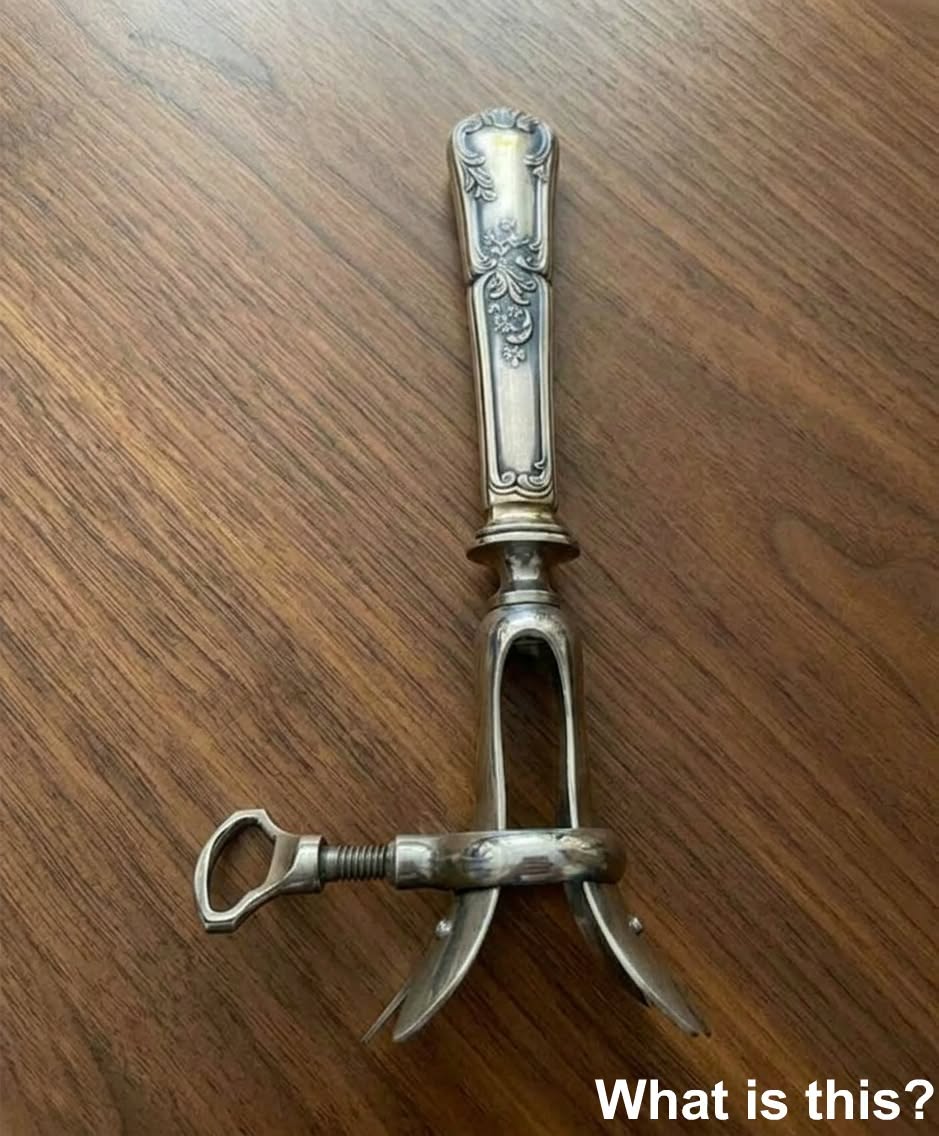
The family gathered early in the morning with a simple goal, to carefully sort through the belongings left behind in a home filled with decades of memories. They expected the process to be emotional, but they also believed it would be straightforward. Boxes, photo albums, and familiar keepsakes lined the shelves, each carrying a small piece of family history waiting to be rediscovered.
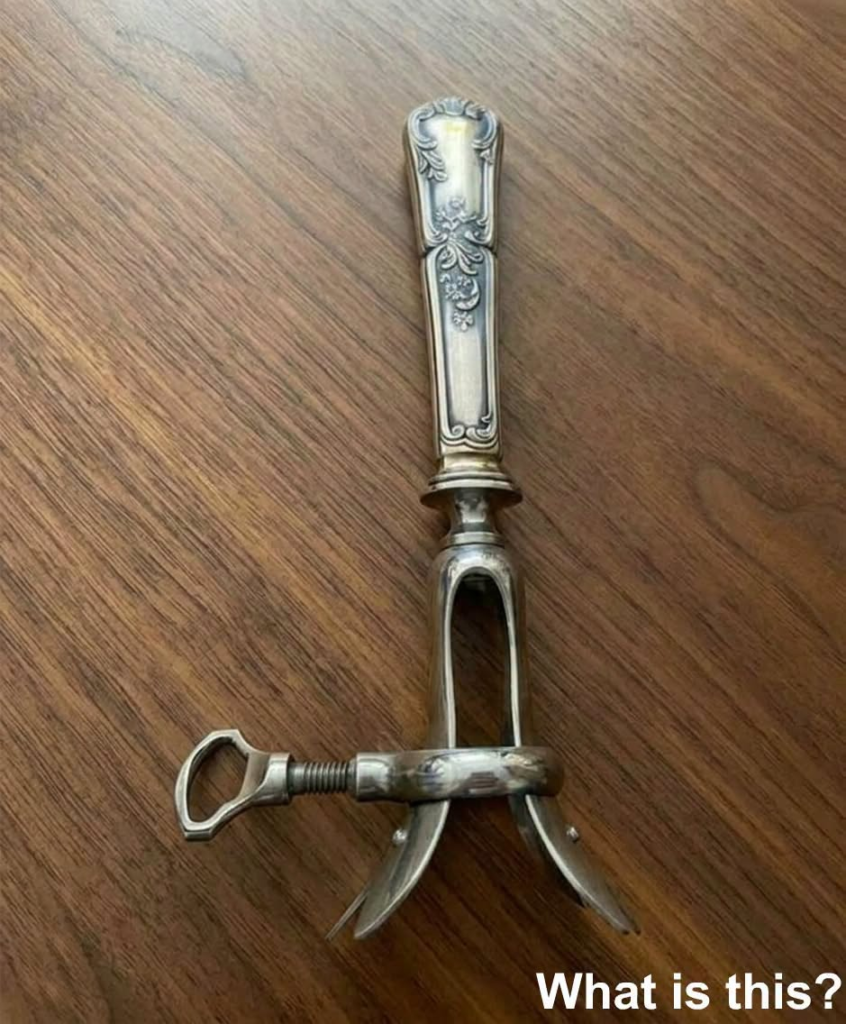
As drawers and cabinets were opened one by one, they came across a small object tucked neatly into the back of an old dresser. It wasn’t labeled, and no one immediately recognized what it was. Its unusual appearance sparked curiosity, and the family paused their work to examine it more closely.
Family
Everyone offered a different idea about its purpose. Some believed it was an old household tool, while others thought it might have been a decorative item or part of a forgotten collection. The friendly discussion quickly turned into laughter as each new theory seemed more creative than the last.
Instead of rushing to continue packing, the family found themselves sharing stories connected to the room and the person who had once called it home. Memories surfaced naturally—favorite recipes prepared in the kitchen, holiday gatherings around the dining table, and quiet afternoons spent talking over tea.
Eventually, someone searched through an old instruction booklet that had been stored in the same drawer. The mystery was solved when they discovered the object’s original purpose. Although everyone appreciated finally knowing the answer, they realized that the explanation itself wasn’t the most meaningful part of the experience.
What mattered most was the conversation the discovery inspired. The object encouraged every family member to contribute a memory, creating a shared story that no photograph or written record could fully capture. Each recollection added another layer to the legacy of someone they deeply loved.
Family
The afternoon became less about organizing possessions and more about celebrating a life well lived. Small items that once seemed ordinary suddenly carried greater significance because they reminded the family of everyday routines, thoughtful habits, and simple moments that had brought everyone together over the years.
They also realized that meaningful memories are often connected to unexpected things. A handwritten note, a favorite coffee mug, or an unfamiliar object hidden in a drawer can become a powerful reminder of kindness, generosity, and the routines that quietly shape family traditions.
As the final boxes were sealed, the mysterious object was carefully wrapped and placed alongside treasured keepsakes. It had become more than just another item from the house. It represented curiosity, conversation, and the importance of taking time to remember the people who leave lasting impressions on those around them.
Looking back, the family understood that preserving memories is about far more than saving belongings. The greatest treasures are the stories shared, the laughter remembered, and the connections strengthened through reflection. That unexpected discovery transformed an ordinary day of cleaning into a heartfelt reminder that love, traditions, and family history continue to live on through the memories passed from one generation to the next.
The city is mourning the tragic loss of Jessica Joven, a 20-year-old young woman whose life was cut short on Monday evening. The incident took place on Fifth Street, a busy area known for its shops and gathering places.
Jessica had been walking through the neighborhood when a violent incident occurred. Emergency responders arrived quickly and provided medical assistance before transporting her to a nearby hospital. Despite their efforts, she did not survive.
According to those who knew her, Jessica was a kind, hardworking, and determined young woman with plans for the future. She had been preparing to submit a résumé for a new job opportunity, reflecting her optimism and desire to build a successful career.
The loss has deeply affected her family, friends, and members of the community. Many have shared memories of her generosity, positive attitude, and willingness to help others.
Family
Authorities have stated that an investigation into the incident is ongoing. Officials continue to gather information and encourage anyone with relevant details to cooperate with investigators.
Residents have gathered near the location to leave flowers, light candles, and pay their respects. Community leaders have also organized memorial events to honor Jessica’s life and offer support to those grieving.
The tragedy has renewed discussions about public safety and the importance of creating secure public spaces. Local organizations are offering counseling services and other resources for individuals affected by the event.
Friends and loved ones continue to remember Jessica for her kindness, determination, and the hope she brought to those around her. Messages of support have poured in from across the community as her family asks for privacy during this difficult time.
Although her life ended far too soon, Jessica’s memory continues to inspire conversations about compassion, unity, and supporting one another through difficult moments. Community members hope that positive action will emerge from this heartbreaking loss.
Jessica Joven will be remembered as a beloved daughter, friend, and member of her community. Those whose lives she touched will carry her memory forward while working together to build a safer and more caring future.