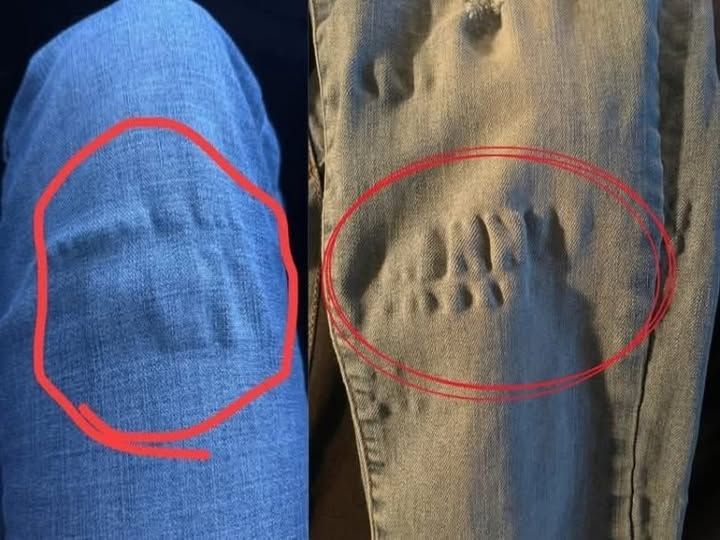
Many people notice that their favorite pair of jeans begins to develop ripples, puckering, or unusual wrinkles after several trips through the washing machine. At first, it may seem like a manufacturing defect or simply bad luck, but these changes are often the result of how modern denim fabrics are made and cared for. Today, many jeans are produced using a combination of cotton and stretch fibers such as elastane, also known as Lycra. This blend makes jeans more flexible and comfortable while helping them retain their shape during everyday wear. However, the same stretch fibers that improve comfort are also more delicate than traditional cotton denim. Without the right washing and drying habits, the fabric can gradually lose its smooth appearance. Understanding why these changes happen is the first step toward preventing them and keeping jeans looking their best for much longer.
One of the biggest factors behind rippling is exposure to excessive heat. Stretch fibers are designed to provide flexibility, but they are far more sensitive to high temperatures than cotton. Washing jeans in very hot water or drying them on a high-heat setting can gradually weaken these fibers. As the stretch material loses its elasticity, the surrounding denim no longer contracts evenly, creating waves, puckers, or permanent distortions in the fabric. Unlike temporary wrinkles that disappear after ironing, these ripples often remain because the structure of the material has changed. Repeated exposure to heat can also shorten the overall lifespan of the jeans, making them feel less supportive and causing them to lose their original fit. Choosing lower temperatures during laundry helps protect both the cotton and the stretch fibers, preserving the appearance and comfort of the garment over time.
Frequent washing can also contribute to premature wear. While many people place their jeans in the laundry after every use, denim usually does not require washing that often unless it becomes noticeably dirty or develops odors. Every wash exposes the fabric to water, detergent, spinning, and friction, all of which slowly weaken the fibers. Inside a washing machine, jeans are constantly twisting, stretching, and rubbing against other clothing. If the machine is overloaded, these movements become even more intense because there is less room for garments to move naturally. At the same time, denim absorbs water unevenly, especially when stretch fibers are blended into the fabric. Some areas expand more than others, and as the jeans dry, those sections may shrink at different rates. This uneven movement can leave certain parts looking wavy while other sections remain smooth, creating the familiar puckered appearance that many people notice after laundering.
Fortunately, a few simple care habits can greatly reduce the chances of these problems developing. Washing jeans in cold water is one of the most effective ways to protect stretch fibers and reduce unnecessary stress on the fabric. Turning jeans inside out before placing them in the washer helps minimize friction on the outer surface, preserving both the color and texture. Selecting a gentle wash cycle instead of a more aggressive setting also reduces twisting and stretching during cleaning. Whenever possible, avoid overloading the washing machine so the jeans have enough room to move freely without becoming tightly tangled with other garments. If hand washing is practical, it provides even gentler care and helps preserve the fabric for a longer period. These small adjustments require very little extra effort but can significantly improve the long-term appearance of denim.
Drying methods are just as important as washing techniques. Air drying is generally the safest option because it avoids the high temperatures that can damage stretch fibers. If a dryer is necessary, using a low-heat setting and removing the jeans while they are still slightly damp can help reduce stress on the fabric. Allowing them to finish drying naturally helps maintain their original shape and minimizes the formation of unwanted wrinkles or puckers. Storing jeans properly by folding or hanging them once dry also helps prevent unnecessary creasing. With thoughtful care, a quality pair of jeans can maintain its fit, color, and smooth appearance through many wears and washes. By understanding how heat, water, friction, and overcrowding affect modern denim, anyone can make simple changes that extend the life of their favorite jeans and keep them looking fresh for years to come.
Leave a Reply