Caitlin Clark launches risky rant over ‘ridiculous’ technical foul as WNBA suspension looms
Caitlin Clark launches risky rant over ‘ridiculous’ technical foul as WNBA suspension looms
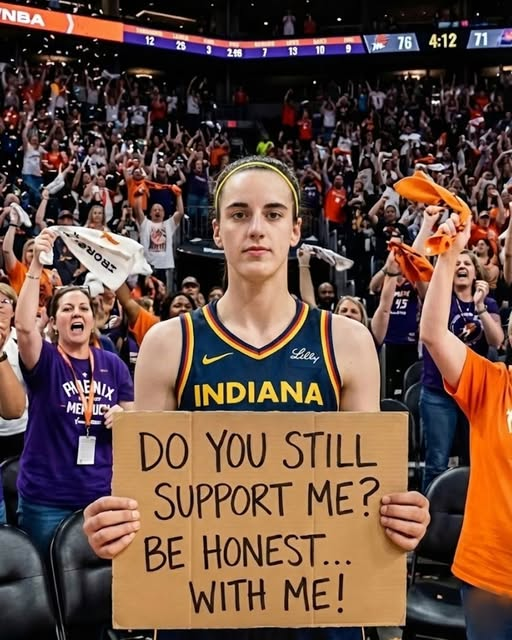
Caitlin Clark saved the Indiana Fever with 15 points in the second quarter alone on Monday night, dragging her team back from a 19-6 first-quarter deficit to an 86-77 victory over the Phoenix Mercury.
Then, in the postgame press conference, she did something that could cost her far more than the $1,000 fine already heading her way.
Clark called out the officiating by name.”It’s ridiculous,” she told reporters, visibly frustrated after being assessed her fifth technical foul of the WNBA season during a chaotic fourth-quarter melee. It comes after Angel Reese and Clark both appeared visibly frustrated by the officiating during the Dream and Fever’s matchup last week.
“I got a technical for clapping. We should all just go on the calendar now and pick a game that I’m gonna be suspended for if I’m gonna get technicals for clapping.”
She identified official Gerda Gatling as the referee responsible for the call, a level of specificity that will almost certainly draw additional scrutiny from the league.
The WNBA suspends players after eight technical fouls in a regular season. Clark now has five, leaving her three away from sitting out a game.
The technical itself came during the fourth quarter with the Fever leading 73-54 and nearly eight minutes remaining.
Clark and former Indiana teammate DeWanna Bonner, who signed with Phoenix after being waived by the Fever a year ago and was loudly booed by the Gainbridge Fieldhouse crowd on her return, got into a confrontation in the paint following a personal foul on Clark.
Words were exchanged. Bonner attempted to walk away. Clark briefly followed before being intercepted by a referee.
Caitlin Clark and DeWanna Bonner were separated by a referee
What followed was a cascade. Alyssa Thomas and Myisha Hines-Allen became involved in a separate confrontation. Sophie Cunningham and Bonner exchanged finger-pointing that required players and officials to step between them.
By the time order was restored, five technical fouls had been assessed to Cunningham, Bonner, Clark, Thomas, and Hines-Allen, and Hines-Allen had been ejected after a second technical for pushing Thomas during the next possession.
Head coach Stephanie White acknowledged the moment without condoning it. “I felt like the officials did a good job after everything of getting it under control,” she said. “As a group, we have to be able to have our moment and then regroup and play with poise and composure. It can’t continue to go on.”
Clark finished with 24 points and 9 assists. The Fever play the Mercury again on Wednesday.
CAITLIN CLARK RETURNS TO HARDWOOD AFTER 14-MONTH HIATUS – PAYS OFF $1.2 MILLION FAMILY DEBT WITH ONE SIGNATURE
Caitlin Clark’s Rise Redefines Modern Basketball: How a Fearless Star Became the Face of a New Era
In the ever-evolving landscape of women’s basketball, few names have commanded attention, debate, and admiration quite like Caitlin Clark. More than a prolific scorer or a viral sensation, Clark has emerged as a defining figure of her generation—an athlete whose influence stretches far beyond box scores and highlight reels. Her ascent represents a shift in how the game is played, watched, and understood in the United States.
From the moment Clark arrived at the University of Iowa, it was clear she was different. Possessing a shooting range that extended well beyond the three-point line, elite court vision, and an unshakable belief in her abilities, she quickly became one of the most electrifying players in college basketball history. Records fell at a historic pace. Arenas sold out. Television ratings surged. Yet what separated Clark from other stars wasn’t just how much she scored—it was how she carried the weight of expectation that came with it.
Clark’s college career was defined by pressure. As the focal point of every opposing game plan, she faced constant double teams, physical defense, and relentless scrutiny. Every missed shot sparked conversation. Every victory fueled the hype. Rather than shrink under that spotlight, Clark leaned into it. She played with a visible edge, a competitive fire that turned pressure into fuel and criticism into motivation.
That mentality followed her into the professional ranks. Entering the WNBA with unprecedented attention, Clark was immediately labeled both a savior and a target—expected to elevate the league while simultaneously proving she belonged among seasoned veterans. The transition was never going to be easy. The speed, physicality, and tactical discipline of the professional game test even the most gifted players.
Clark met that test head-on.
On the court, she quickly established herself as more than a shooter. She became a floor general—dictating tempo, manipulating defenses, and creating opportunities for teammates. Opponents adjusted coverage specifically to stop her, often picking her up well before half court. Still, Clark found ways to impact games, whether through deep-range shooting, precise passing, or late-game decision-making.
Coaches consistently point to her basketball IQ as elite. Teammates describe her as relentlessly competitive but deeply invested in team success. When momentum shifts or adversity strikes, Clark doesn’t fade into the background. She demands responsibility. She wants the ball. Her leadership is built not on volume or theatrics, but on trust earned through preparation and performance.
Behind the scenes, Clark’s approach is methodical and intense. Film study is non-negotiable. Practices are purposeful. By all accounts, she holds herself to the highest standard before holding anyone else accountable. That discipline has helped her navigate the mental and physical toll of constant defensive pressure and public expectation.
Physically, Clark absorbs contact and defensive attention designed to wear her down over the course of games and seasons. Mentally, she remains remarkably composed. She plays with patience, understanding when to attack and when to orchestrate. That balance—between aggression and control—has become a defining trait of her game.
Off the court, Clark’s impact is just as significant. She has become a cultural figure in American sports, drawing new audiences to women’s basketball and inspiring young players nationwide. Her authenticity resonates. She speaks candidly about competition, preparation, and respect for the game. She avoids manufactured controversy and lets her performance define her narrative. Activewear Clark’s rise has also sparked broader conversations about visibility, investment, and respect within women’s sports. Television networks, sponsors, and fans have taken notice. Attendance has increased. Merchandise sales have surged. While no single athlete carries a sport alone, Clark’s presence has undeniably accelerated momentum at a critical moment for women’s basketball in the U.S.
Still, Clark remains grounded in the understanding that legacy is built over time. She has acknowledged the challenges ahead—the physical grind, the adjustments required, the constant evolution demanded of elite athletes. Yet her trajectory suggests she is prepared for that journey.
From record-breaking college star to cornerstone of the professional game, Caitlin Clark represents more than individual brilliance. She embodies a shift toward fearlessness, confidence, and unapologetic ambition in women’s basketball. She plays with joy, edge, and an unwavering belief that the biggest moments are meant to be embraced, not avoided.
As her career continues to unfold, one truth has already become clear: Caitlin Clark is not just changing games—she is changing expectations. And in doing so, she is helping define the future of basketball in America.
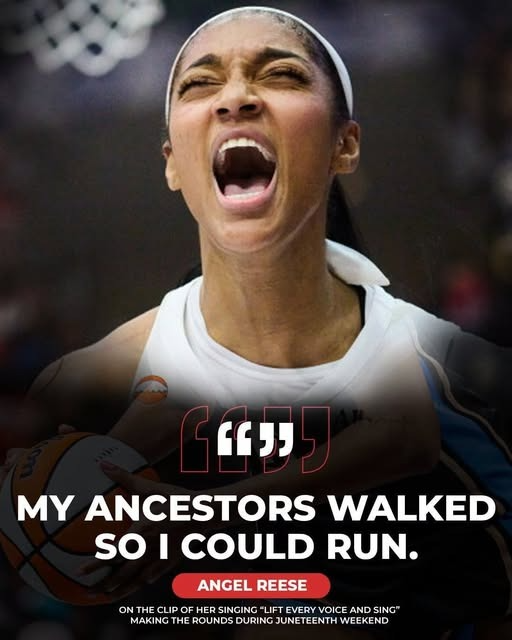
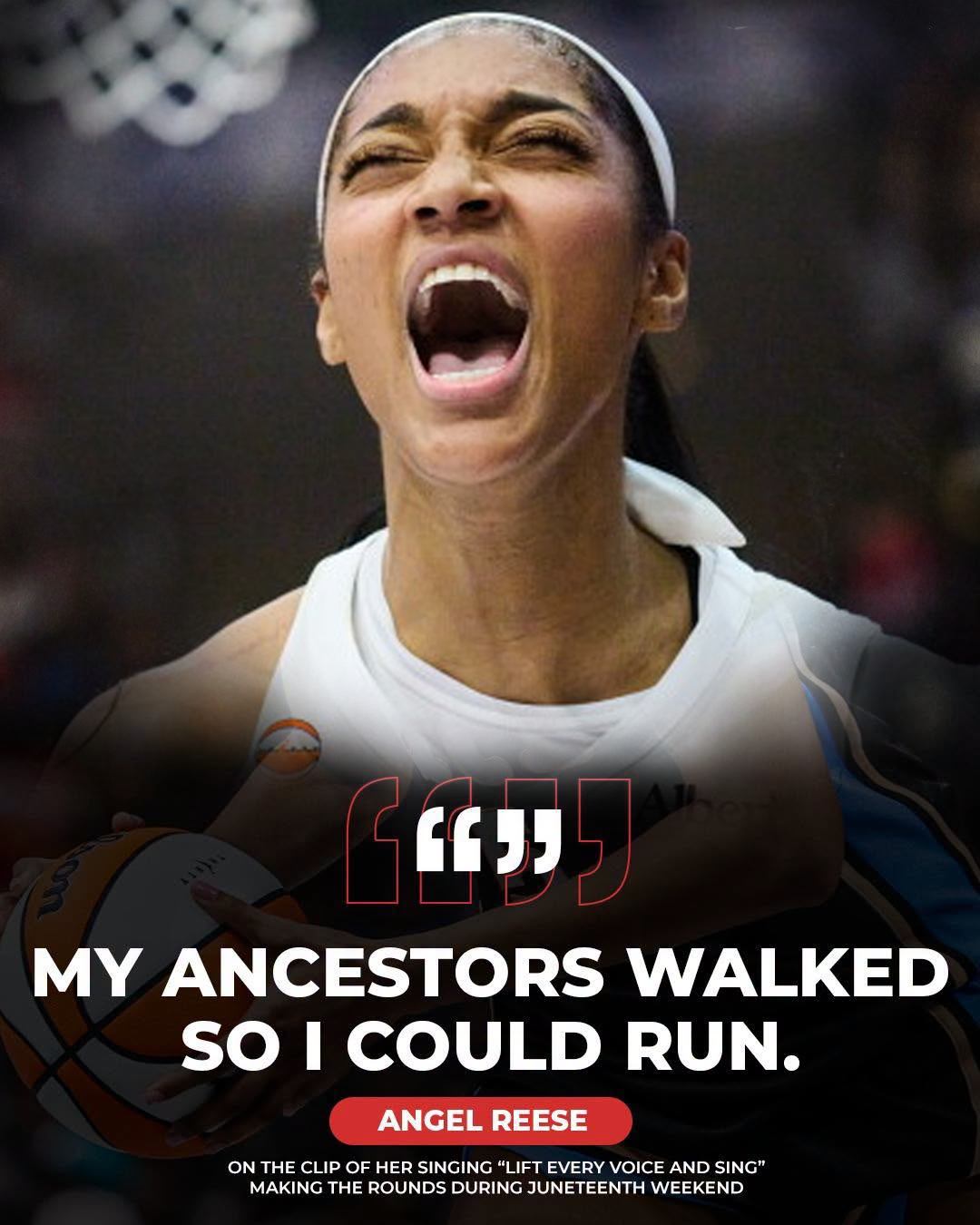
Angel Reese Talks Playing During Juneteenth Weekend: ‘Ancestors Walked So I Could Run’
Angel Reese took down Caitlin Clark and the Indiana Fever twice in two days, and now she’s opening up about a viral moment that had fans talking. During the Atlanta Dream‘s matchup against the Fever on Thursday, June 18, cameras caught Reese singing along to “Lift Every Voice and Sing,” a hymn widely known as the “Black National Anthem.” Reese said hearing the powerful song just before tip-off during Juneteenth weekend sparked something within her, fueling her focus and helping her power through as the Dream completed a two-game sweep over Indiana.
Angel Reese Opens Up About How Much Hearing ‘Lift Every Voice And Sing’ Before Her Game Against The Fever Meant To Her
Reese captured the attention of many on June 18, when a video of her singing “Lift Every Voice and Sing” went viral. In the clip, Reese is seen swaying back and forth, looking up at the ceiling while mouthing the lyrics, “Sing a song full of the hope that the present has brought us.”
Social media users were moved by the display, as one wrote, “Y’all could NEVER make me hate her. EVER.” Another commented, “Celebrating Black excellence in a very racially heated arena.”
After today’s (June 20) matchup against the Fever, Reese commented on the moment and explained how much the track means to her and other Black people.
Angel Reese Says Her ‘Ancestors Walked So I Could Run’
“It was just one of those moments of where I was and how it felt and how it hit and that things that I’ve had to experience over the past couple of years,” she told the media, according to Meghan L. Hall, USA Today reporter. “It hasn’t always been great, but my ancestors walked so I could run.”
She added, “I’ll never forget that. Every day I wake up, I’m very grateful. It’s not supposed to be easy, but I’m very, very grateful for this opportunity to be a Black woman. It’s a privilege, and to be in this space, to shine, and use my voice, it’s very important.”
Reese went on to say that she hadn’t heard the track in a while before that moment, but being in Indiana’s arena and hearing the loud boos ignited something in her. “When I heard [the song], it made me feel like, ‘This is for the ones that walked for me.’ … It’s bigger than me.”
Angel Reese Celebrates Setting WNBA History With Her 1,000th Rebound Of Her Professional Career
On Thursday, Reese recorded her 10th double-double of the season after scoring 21 points and recording 11 rebounds. During the Dream’s second matchup against the Fever in two days, Reese recorded 18 points and 8 rebounds. Her rebounding today also put her in a league of her own, making her the fastest player to reach 1,000 career rebounds in 79 games.
Reese broke her silence about holding the new record, telling Hall that rebounding is an essential skill. “… going in and crashing every single time to get second chance opportunities on the offensive end,” she said. “And you can look statistically, but not just from my shots but from my teammates, and it gives us more points, it gives us more opportunities. Just being able to come out and do what I do every single night just shows my consistency.”
Atlanta Dream Set A New Franchise Record
The Dream beat the Fever on Saturday, 113-96, setting a franchise record for total points scored in a single game. Today’s contest was also the fourth in a row in which Atlanta scored over 100 points.
Angel Reese has recently voiced her frustration after her request to have a 10-foot statue erected in her honor in Chicago was denied
Angel Reese has recently voiced her frustration after her request to have a 10-foot statue erected in her honor in Chicago was denied. In an emotional statement, Reese expressed her belief that racism played a role in the decision, drawing a stark contrast between her treatment and that of Caitlin Clark, a star player from Iowa.
Reese’s request for the statue, which would have honored her remarkable achievements on the court, was met with rejection by local officials in Chicago. The decision has sparked significant controversy, particularly because Reese, who played a pivotal role in leading LSU to a national championship, felt that her accomplishments were being overlooked. Reese, known for her outspoken personality and advocacy for women’s sports, has claimed that her exclusion from the statue conversation was rooted in racial bias.
In her comments, Reese drew a direct comparison between herself and Caitlin Clark, who has been repeatedly celebrated with a butter sculpture at the Iowa State Fair every year. Clark’s honor has become a beloved tradition in Iowa, with her likeness immortalized in butter for the past several years. For Reese, this tradition exemplified the different ways in which female athletes are treated based on their race and background. While Clark has been celebrated for her remarkable skills and performance, Reese argued that her own achievements, including leading LSU to its first national title since 2008, were not given the same recognition or respect.
Reese’s comments have ignited a broader discussion about the disparities in how female athletes are celebrated, particularly when race plays a factor. Many fans and commentators have pointed to the fact that Reese’s dominance on the court, her visibility in the media, and her contributions to women’s basketball should have warranted similar recognition. Reese’s outspoken nature and willingness to address these issues have made her a powerful voice for change in the sports world.
Caitlin Clark butter sculpture: Why Iowa State Fair is honoring WNBA star with life-sized butter figure
It doesn’t get much butter than this.
As the WNBA nears its return from the All-Star and Olympic break, the Iowa State Fair debuted its Caitlin Clark butter sculpture. It’s the second consecutive year in which artists created the figure for the University of Iowa standout.
Clark’s silky smooth jumper matches the soft, buttery form of her 2024 sculpture. It’ll have to stay cold in order not to melt, although that shouldn’t be a problem since Clark has ice in her veins.
The sculpture will be on display from Aug. 8-18, so fans butter check out the life-sized Clark figure while they can. (That’s the last one, I promise.)
Here’s all there is to know about Clark’s butter sculpture and how it originated in 2023.
Caitlin Clark butter sculpture
Clark is one of the all-time great Iowa athletes despite being just 22 years old.
She’s had tremendous impact, accolades and stats throughout college and early into her WNBA career. As a reward, Clark is one of three athletes to receive a butter sculpture at the 2024 Iowa State Fair.
Caitlin Clark is amazing and I respect tf outta her. But her butter sculpture at the Iowa State Fair is haunting me pic.twitter.com/aMRvMGgDrj
Clark was born in Iowa and went to college at the University of Iowa. The fair is an annual celebration in the state of Iowa.
It’s the second consecutive year that Clark has had a butter sculpture at the fair, joining Kurt Warner and Jack Trice as the only athletes with the honor. The 2024 edition is a vast improvement from the inaugural version in 2023.
The 2024 version has much more detail, encapsulating Clark much better than the 2023 edition.
Clark is no longer playing in Iowa as she began her WNBA career with the Indiana Fever, but her impact remains invaluable throughout the state.
Who made the Caitlin Clark butter sculpture?
Sarah Pratt began sculpting at the Iowa State Fair in 1991 before taking over as the lead sculptor in 2006. She’s accompanied by her two twin daughters, Grace and Hannah.
The sisters were three years old when their mother took over as the lead sculptor. Grace and Hannah earned more and more responsibilities as they got older. Now, the two are apprentices for their mother.
There’s no indication that Sarah will retire, but it seems butter sculpting will stay in the family.
The emotional update surrounding the Guthrie family has deeply touched many people following the story. Reports from Arizona describe a difficult moment for relatives as investigators privately shared important developments connected to the ongoing case. While officials continue reviewing evidence and timelines, the atmosphere around the investigation has clearly become more serious and emotional for everyone involved.
For families facing uncertain situations, hope often remains present even during the hardest days. Loved ones hold onto every phone call, every update, and every possibility that positive news could still arrive. According to those close to the situation, the recent briefing marked a painful emotional turning point that left many relatives struggling to process the information they received.
Witnesses described the meeting as calm and respectful rather than dramatic. Investigators reportedly spoke carefully, understanding the emotional weight carried by every word. Even without public details being fully released, the impact on the family was said to be heartbreaking. Moments like these can change how people view the future almost instantly.
Sources close to the family say relatives have been leaning heavily on one another for comfort and strength. During times of uncertainty, people often respond differently to emotional shock. Some become quiet and reflective, while others focus on supporting those around them. The shared sense of concern has reportedly brought family members closer together during this difficult period.
Authorities continue emphasizing that the investigation remains active. Detectives are still reviewing evidence and working to answer remaining questions before any final conclusions are made. Officials have asked for patience while they carefully complete their work behind the scenes. Public attention surrounding the case has only increased the emotional pressure placed on everyone involved.
Away from headlines and public discussion, the situation remains deeply personal for the family. In painful moments like these, memories, conversations, and small reminders often carry tremendous emotional meaning. Support from relatives, close friends, and faith communities can become especially important while navigating uncertainty and grief.
For now, many questions remain unanswered as investigators continue their efforts. What remains clear, however, is the importance of compassion, privacy, and emotional support for families experiencing painful uncertainty. During difficult times, love and unity often become the strongest sources of comfort while people wait for clarity and healing.
What unfolded was less a scandal and more a mirror. The conversation around Michelle Obama’s public update highlighted how strongly people continue to feel connected to her, even years after her time in the White House.
In an age of constant headlines, her presence still draws attention toward themes like resilience, pressure, and the human side of public life.
The viral reaction also showed how quickly modern media can turn concern into confusion, especially when headlines spread without context. A simple statement or image can be interpreted in many different ways online, often amplified by emotion rather than verified detail.
In this environment, public figures like Michelle Obama often become focal points for broader conversations about trust, communication, and media responsibility.
At the same time, the discussion reflected how audiences still view Michelle Obama as a steady and relatable voice in public life.
Even years after her official role, her words and appearances continue to resonate with many people who associate her with calm reflection and grounded perspective during uncertain moments in national conversation.
Ultimately, the response says less about any single event and more about the relationship between public figures and the public itself. In a fast-moving information cycle, meaning is often shaped in real time.
Figures like Michelle Obama remain significant not only for their history, but for the ongoing way people interpret their presence and voice.
It also underscores how quickly narratives evolve online and how public perception can shift within hours of a single post itself unpredictably.
No one can predict the future, but we can better understand the present by looking back at history.
Here are 100 must-see historical moments – significant events that have shaped our world. From wars and revolutions to scientific discoveries and technological innovations, these are some of the most important moments in human progress.
Whether you’re a history buff or want to learn more about our fascinating past, check out this list!
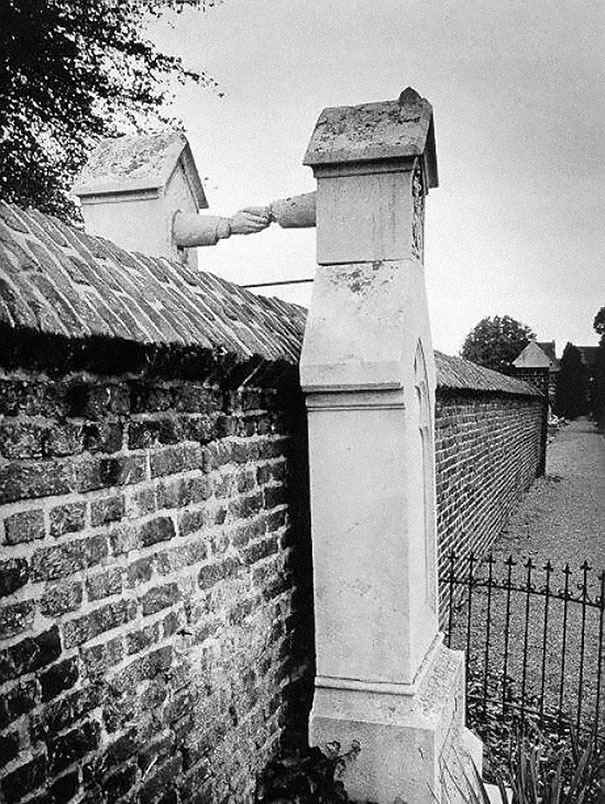
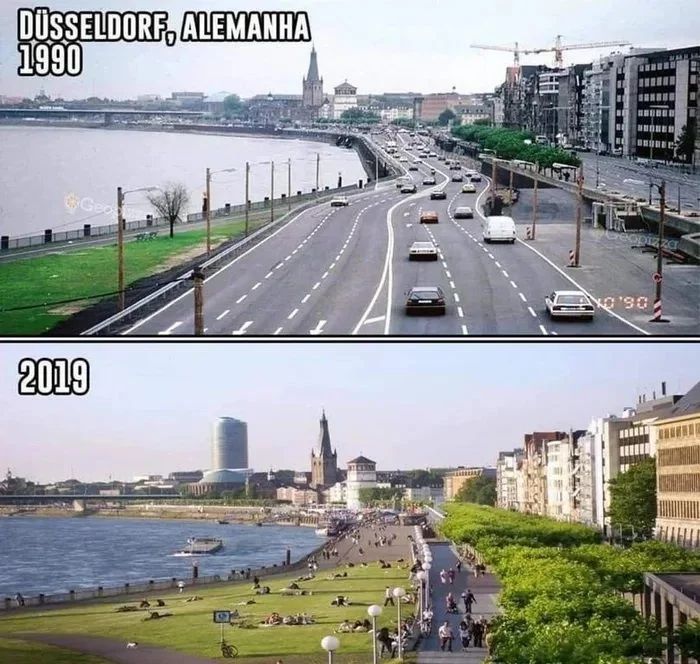
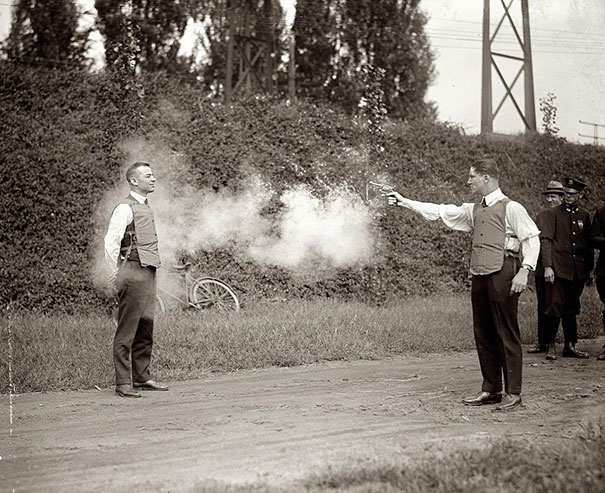
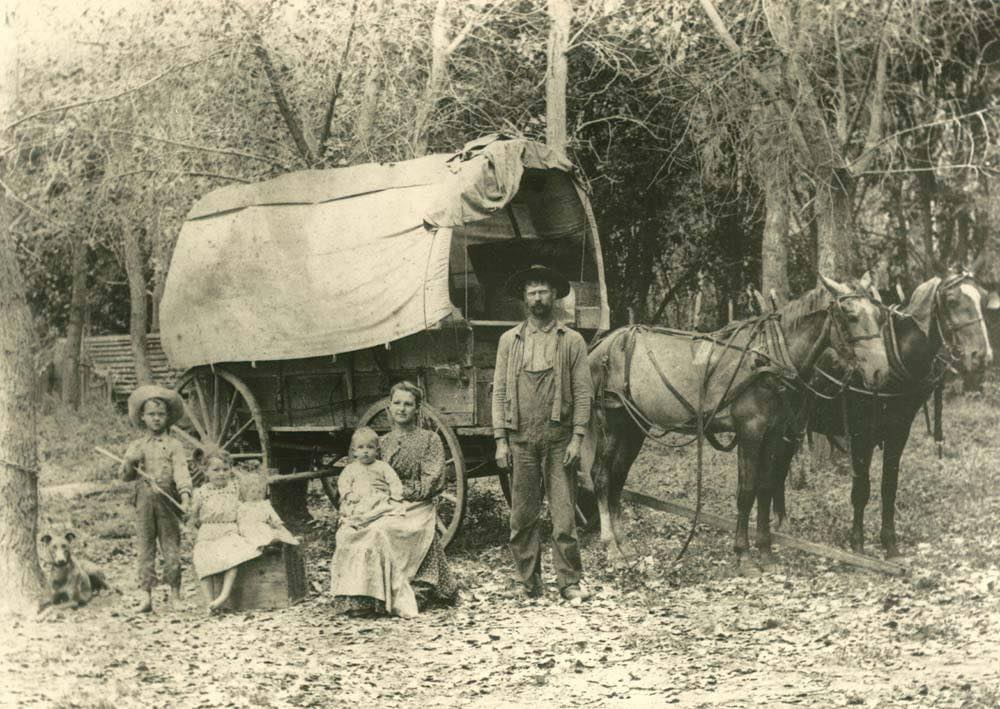
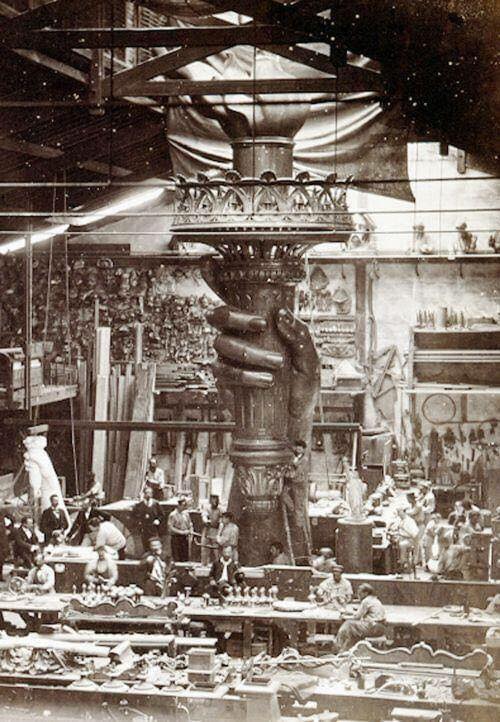
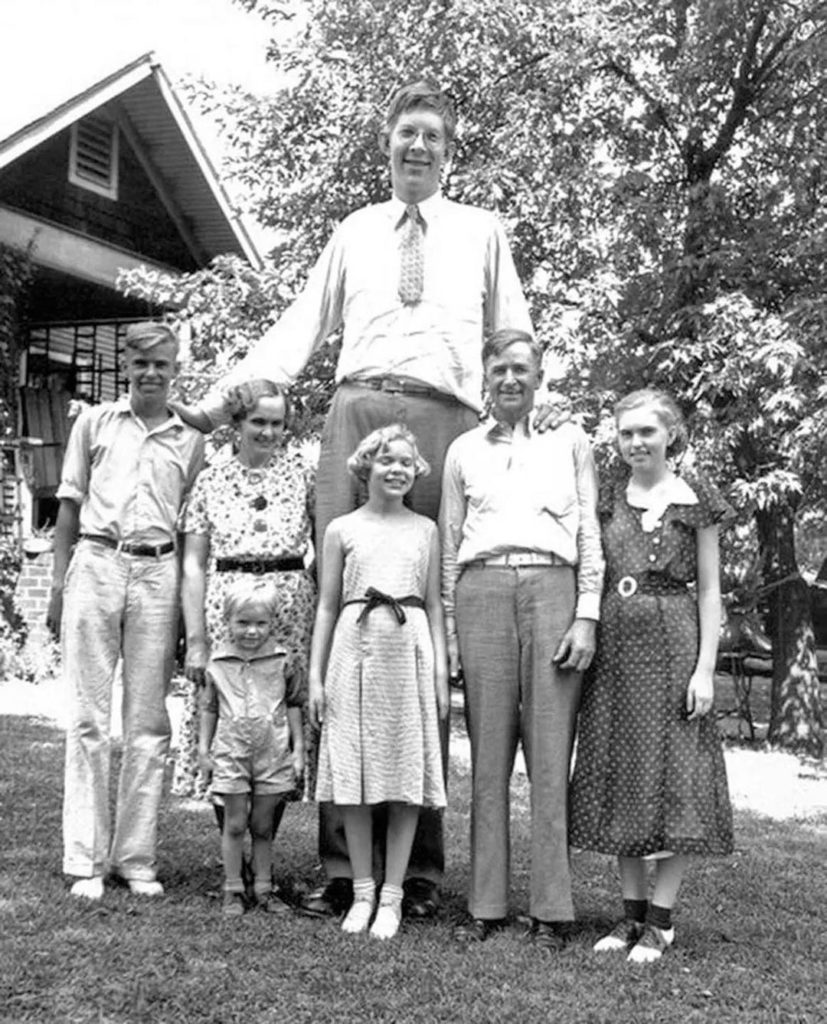
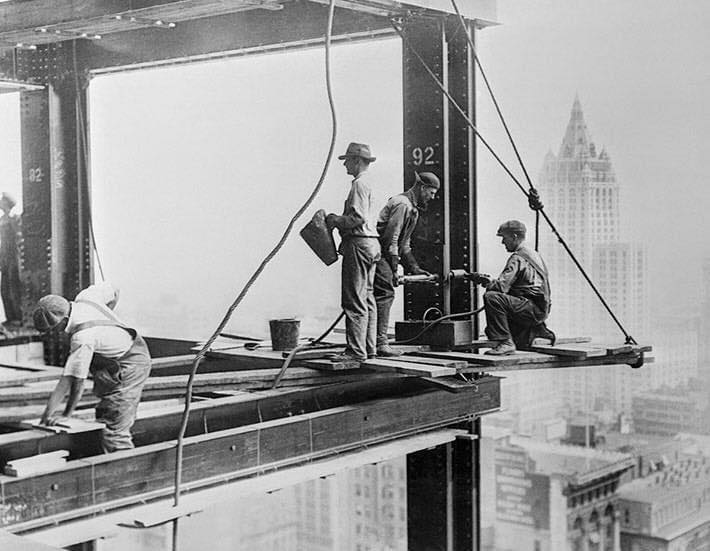
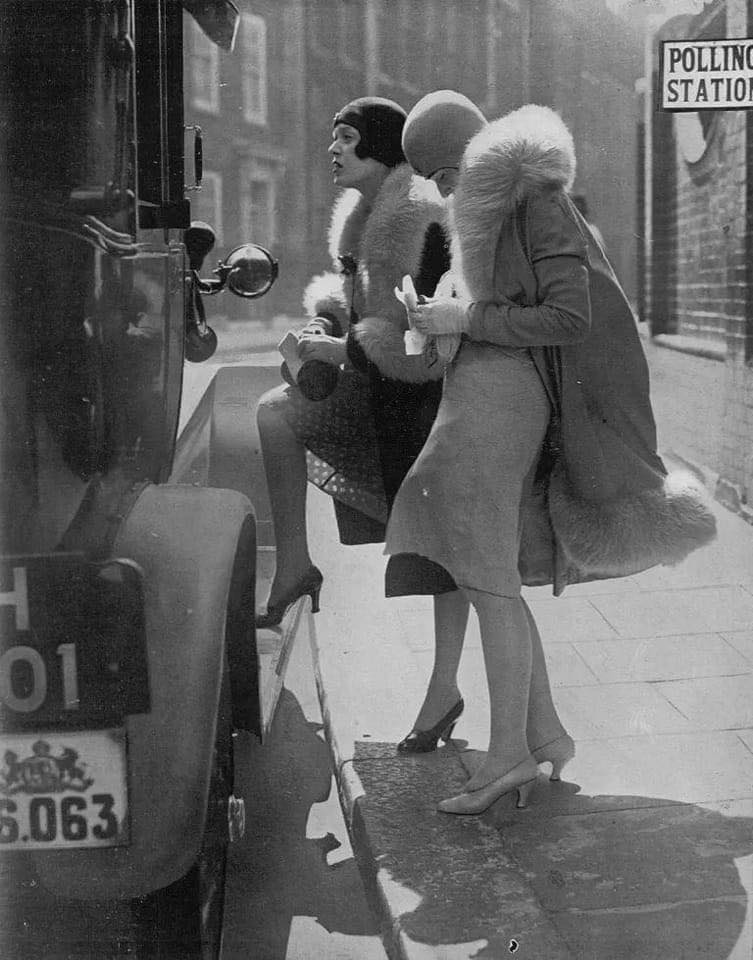
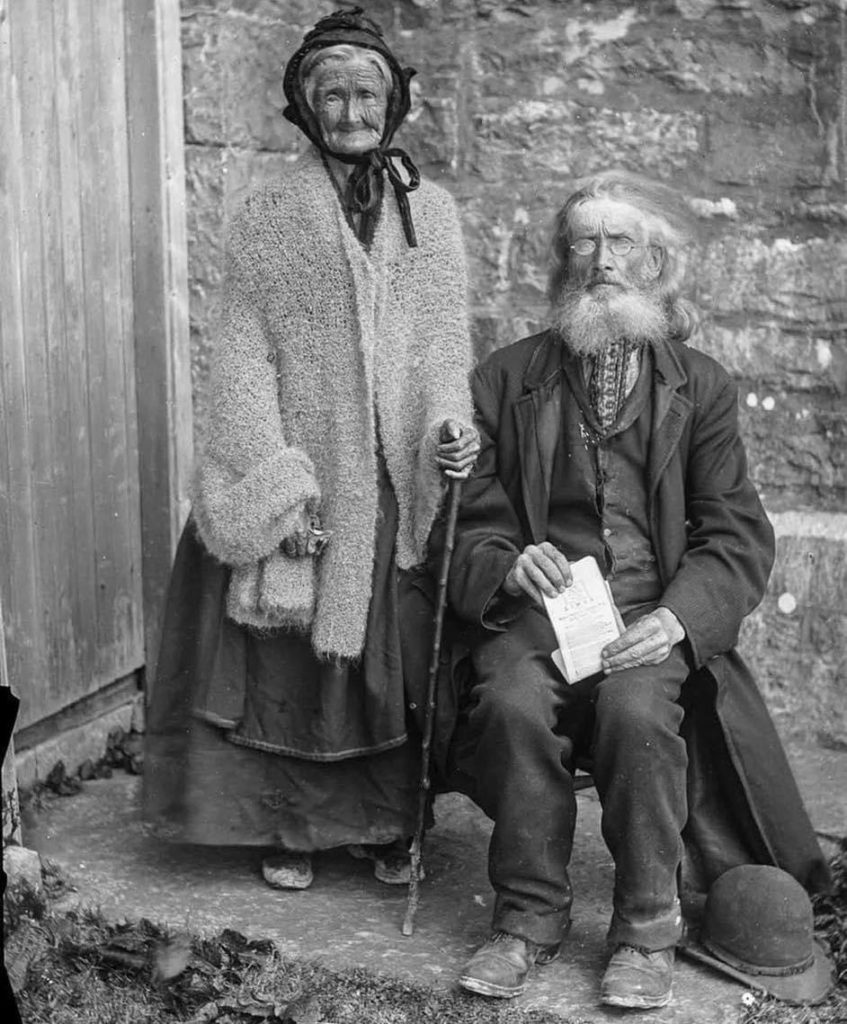
A protestant husband and his catholic wife were not allowed to be buried together. Here are their headstones reaching across the two cemeteries in 1888.Düsseldorf, Germany – before and afterThe 13×18 foot (3.96×5.48 meter) cabin Dick Proenneke built in 1968. He lived there alone for 30 years in what is today part of Lake Clark National Park and Preserve, Alaska. It was added to the U.S. National Register of Historic Places in 2007.Demonstrating how bulletproof vests work, 1923.A family poses with their covered wagon in Kansas, 1908.Building the hand and torch of the Statue of Liberty, Paris, 1876.A 2,000-year-old “fast food” restaurant that was uncovered in Pompeii.The tallest man to ever live, Robert Wadlow, poses with his family in 1935.Workers building the Empire State building, c. 1930sTwo women, minutes after voting, London, 1929.Mother and son pose for a photo, Ireland, 1890.
Subscribe to the History Defined newsletter!
Get updates on the latest posts and more from History Defined straight to your inbox.Subscribe
We use your personal data for interest-based advertising, as outlined in our Privacy Notice.
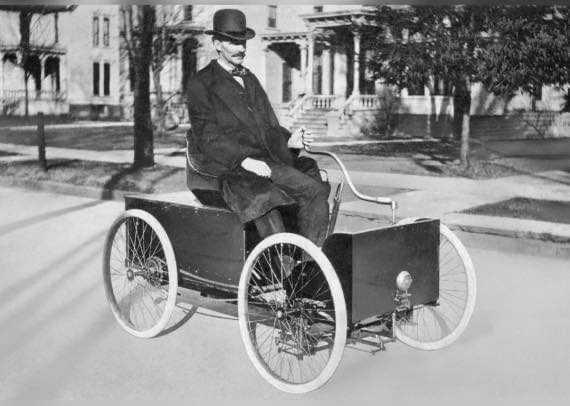
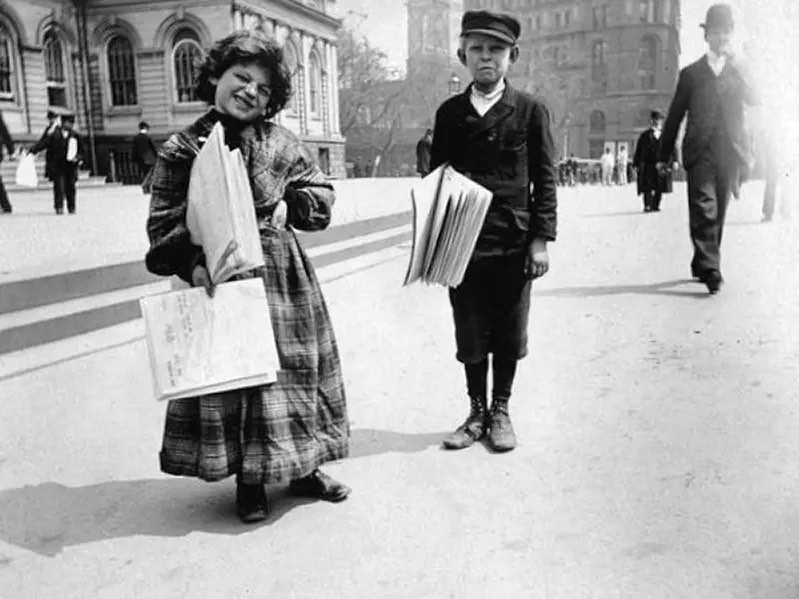
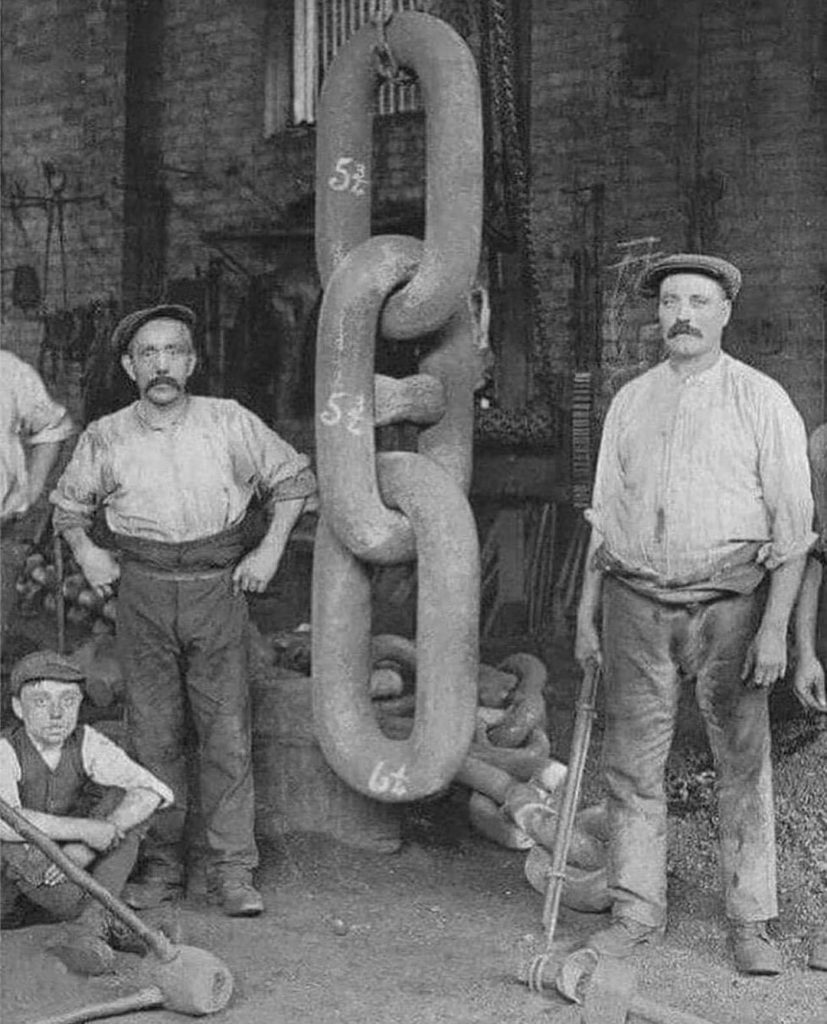
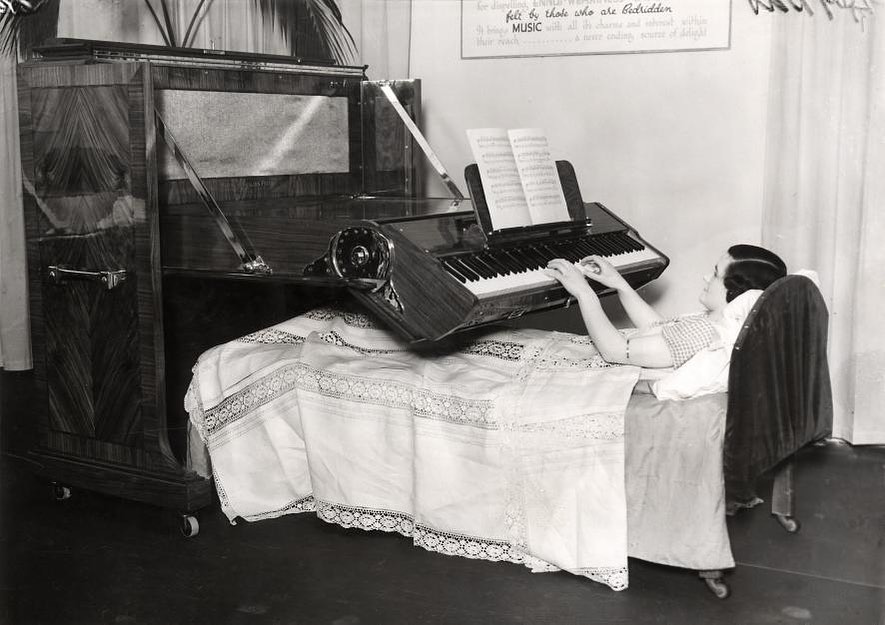
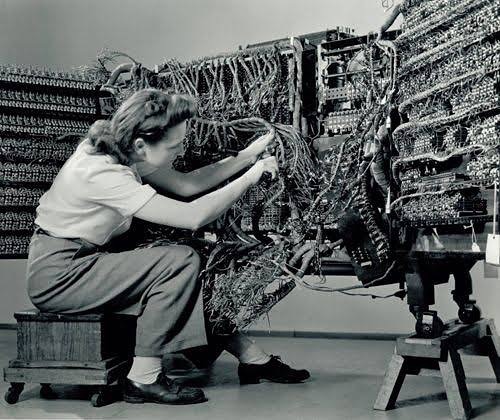
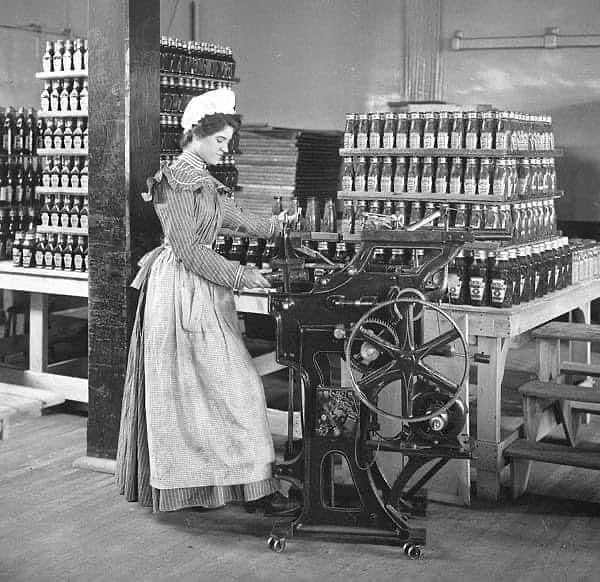
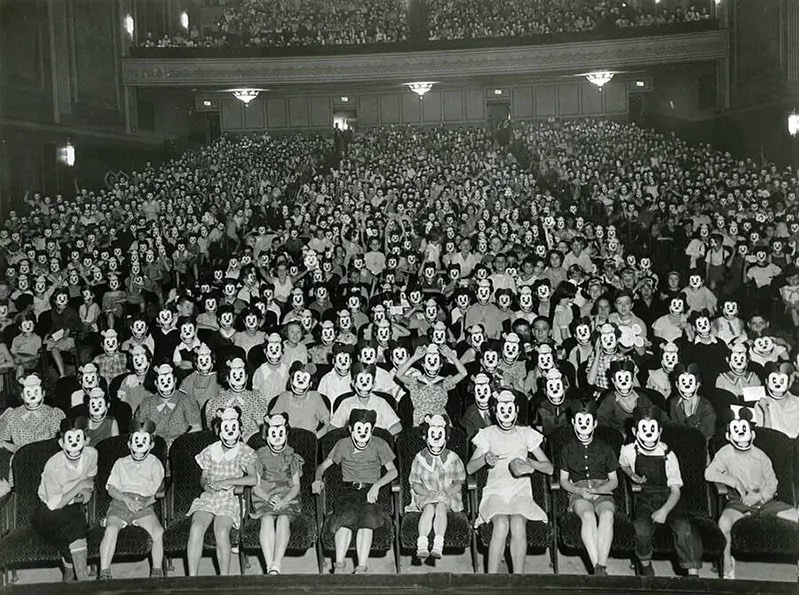
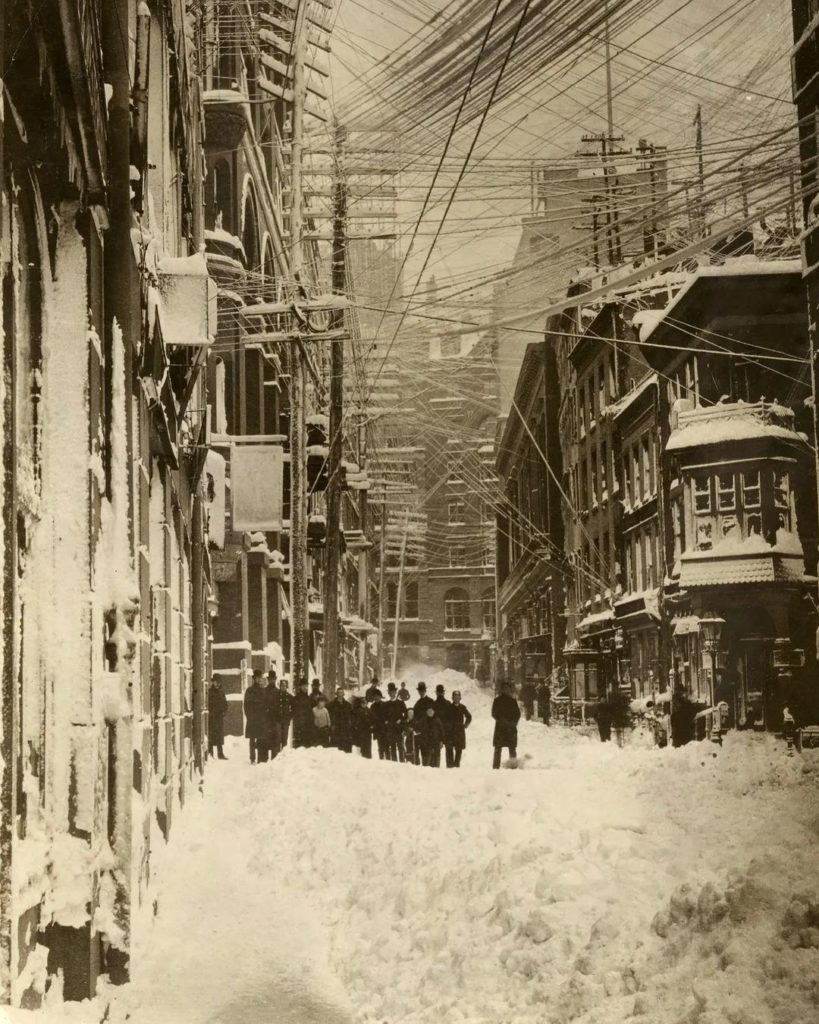
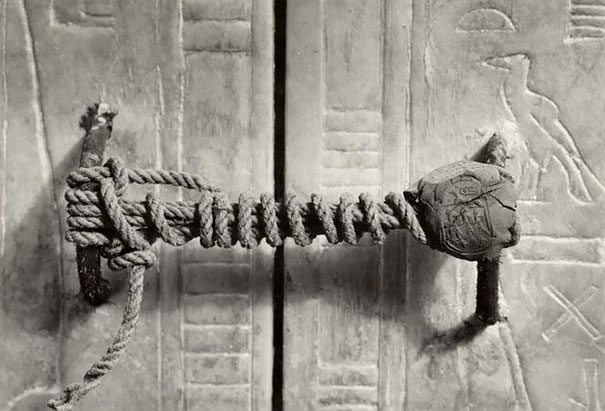
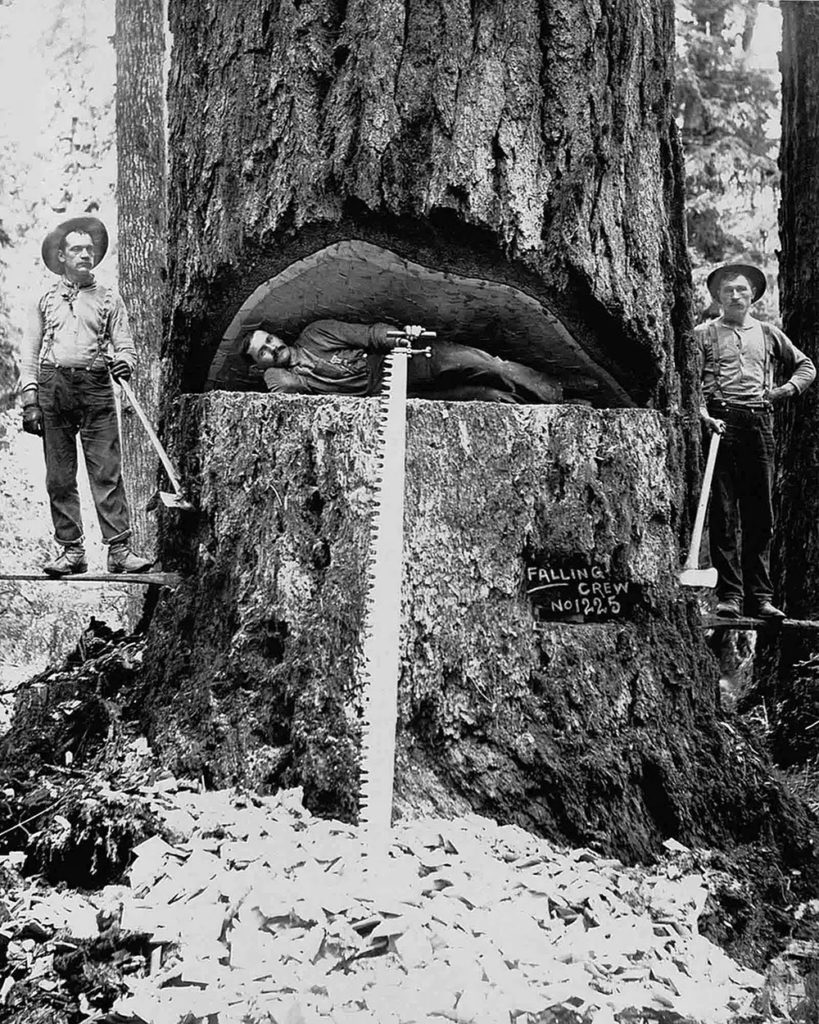
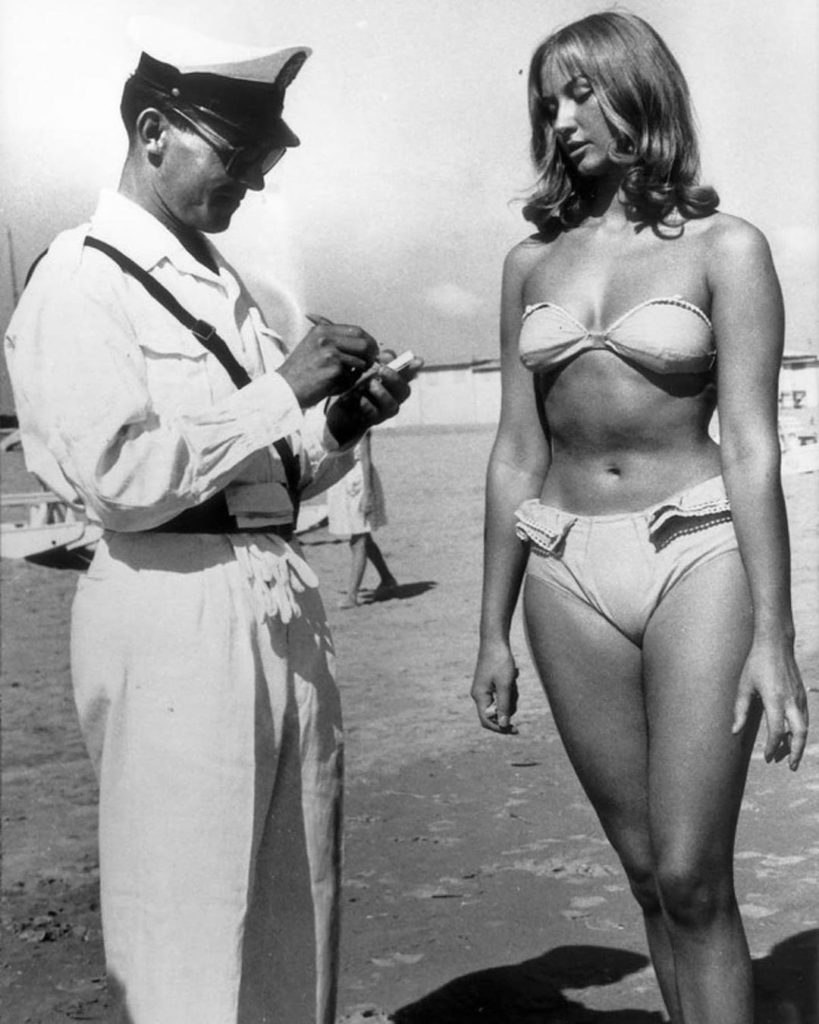
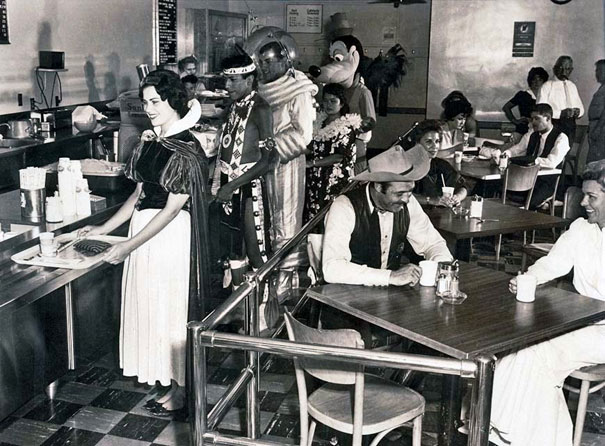
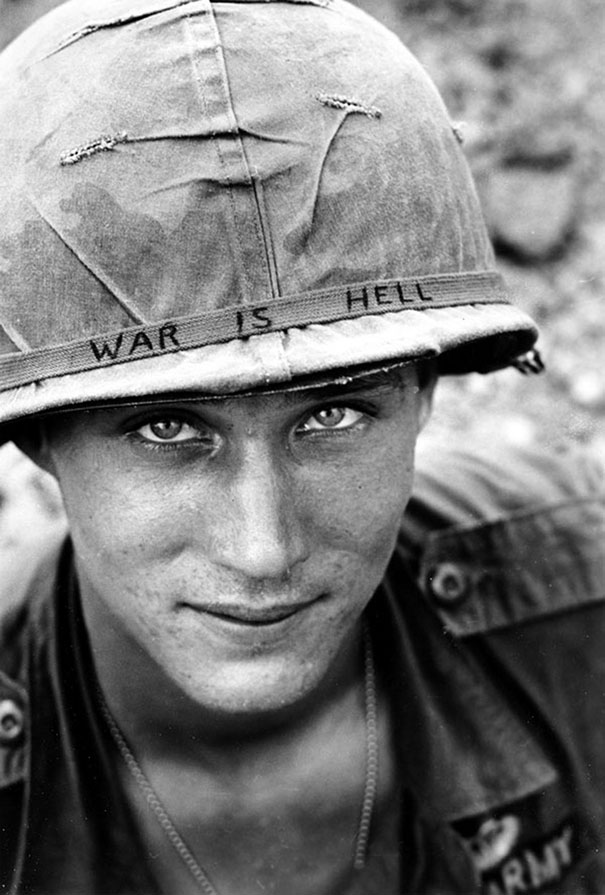
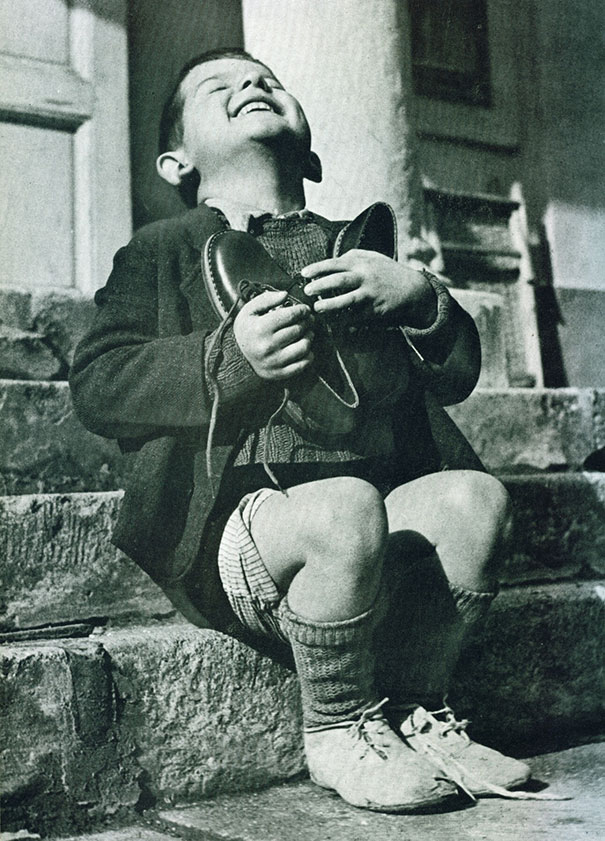
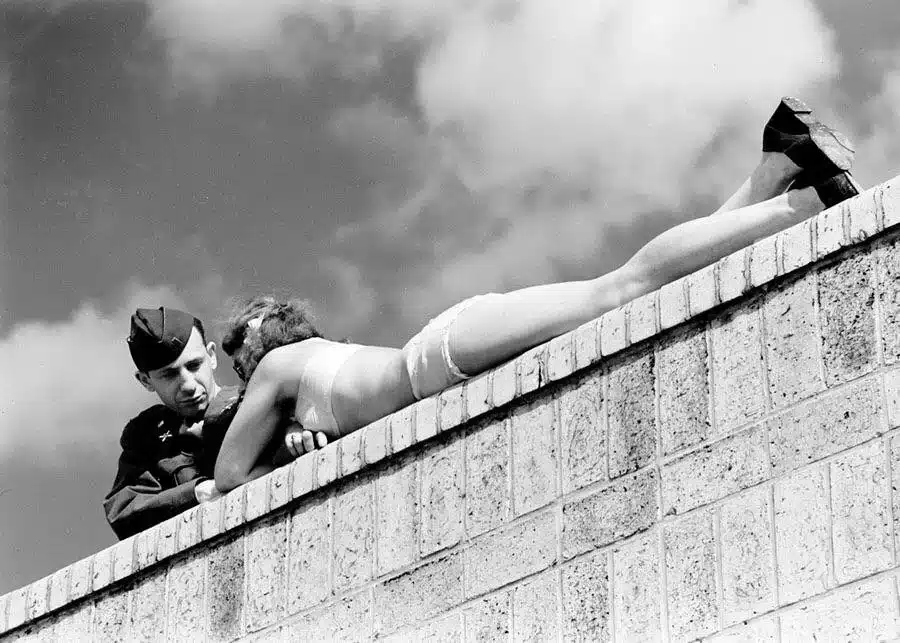
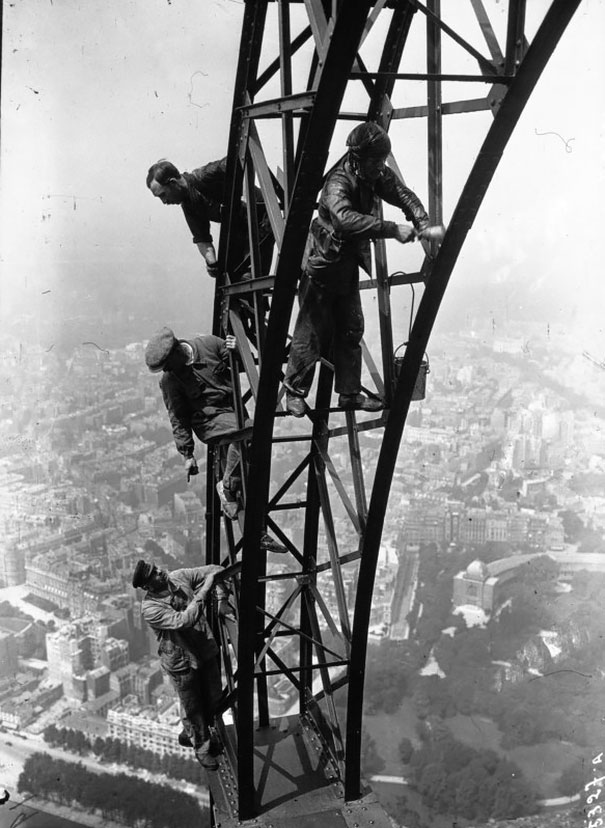
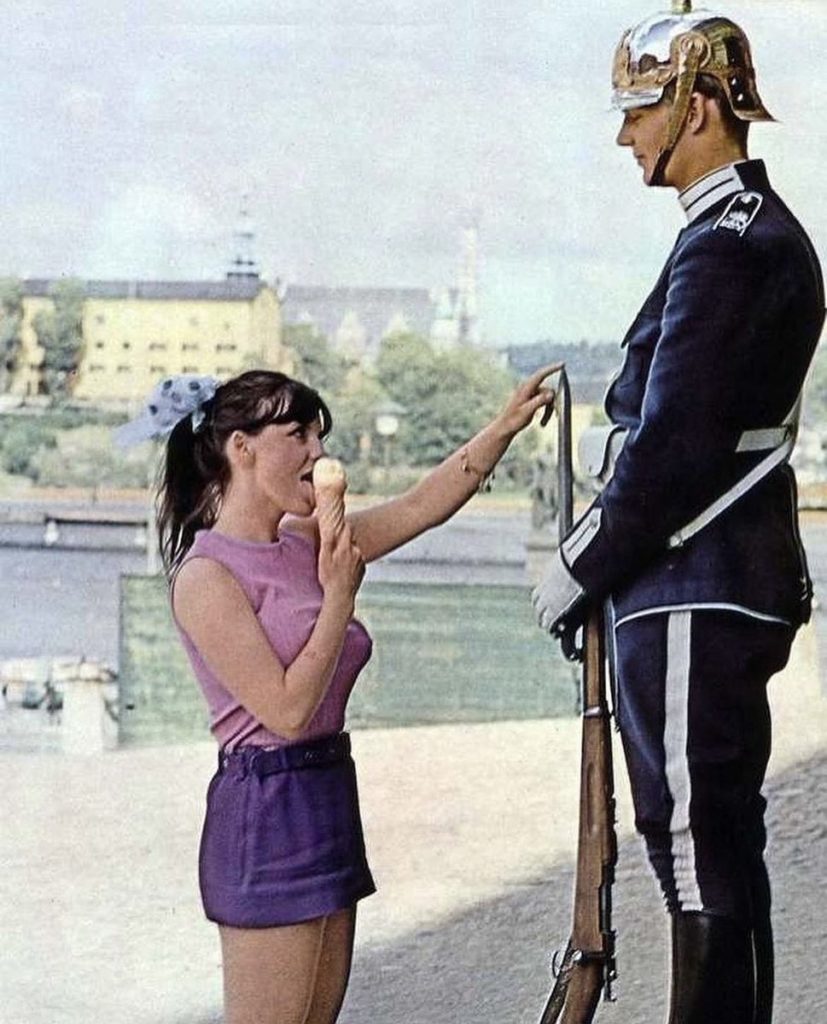
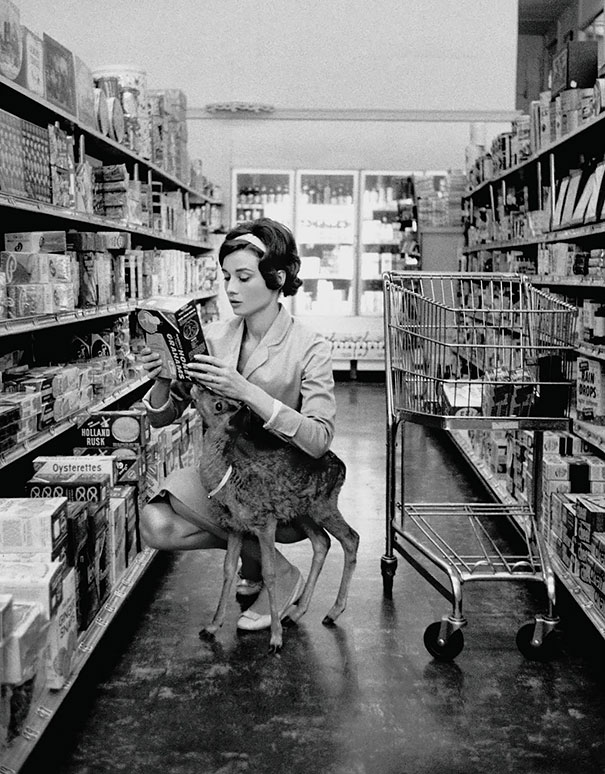
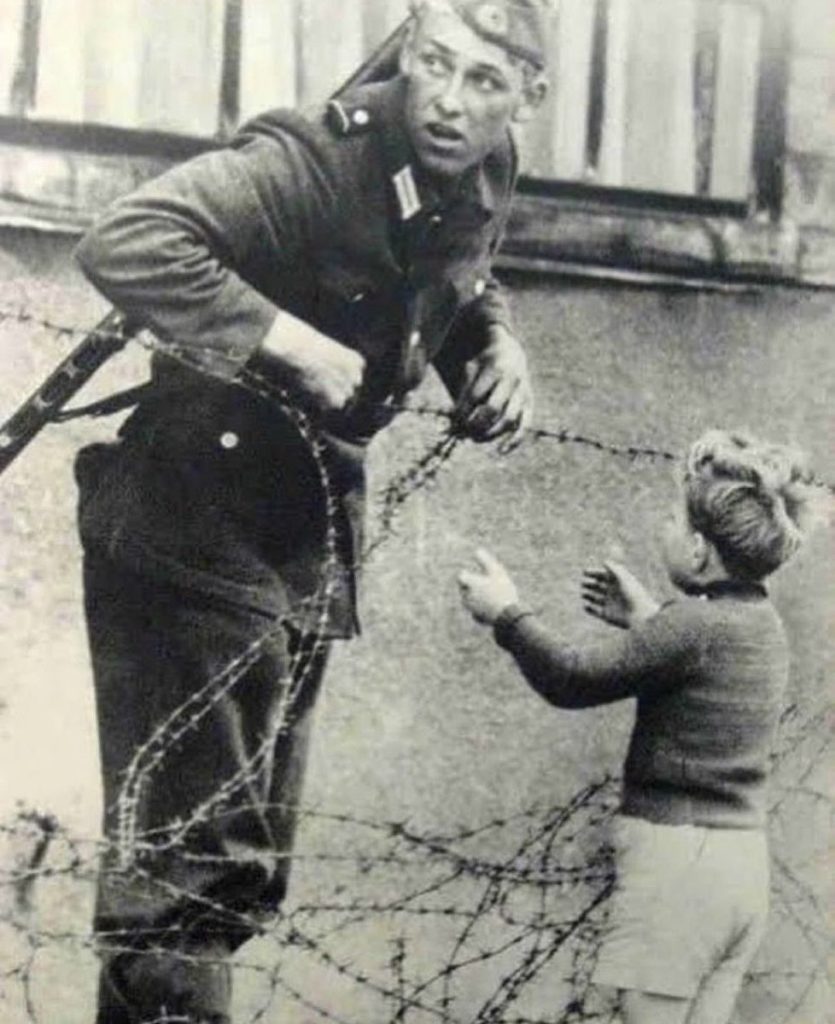
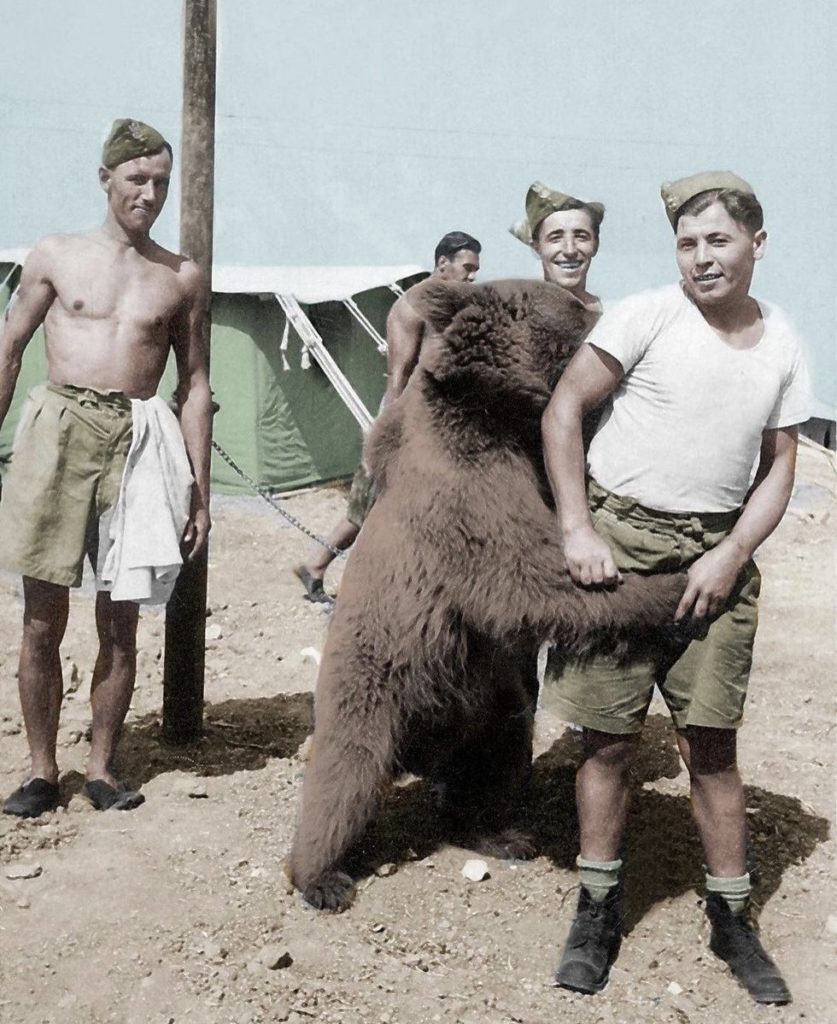
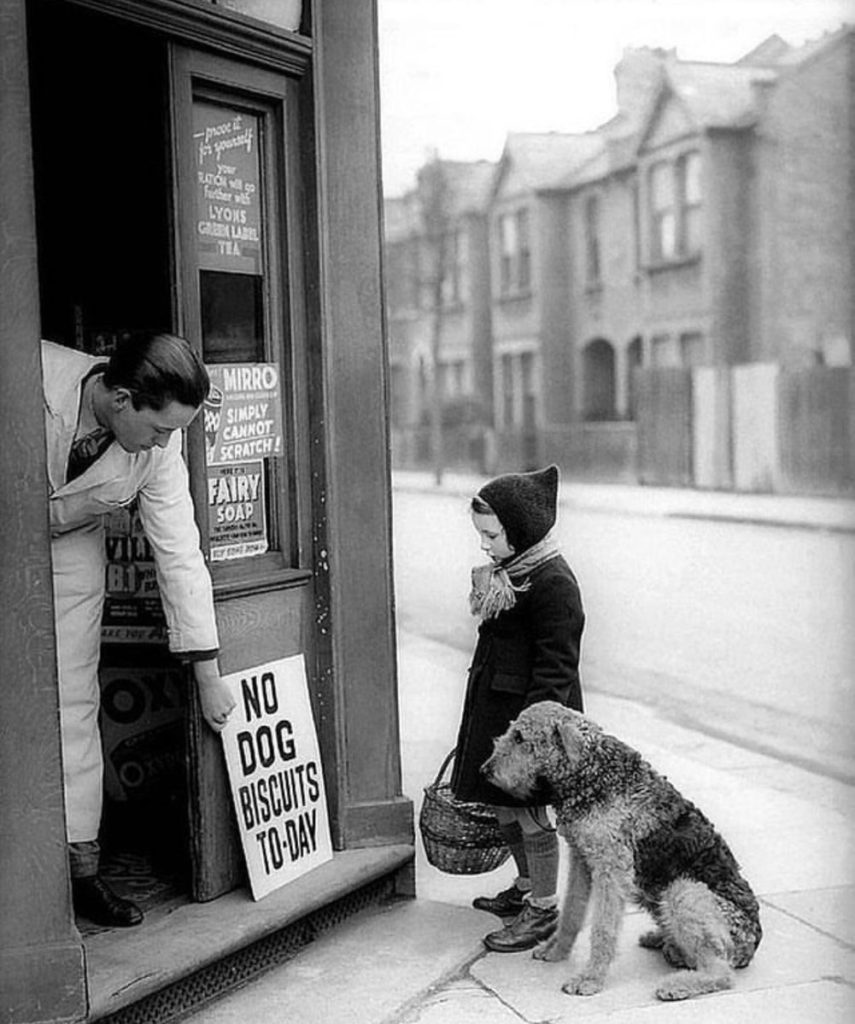
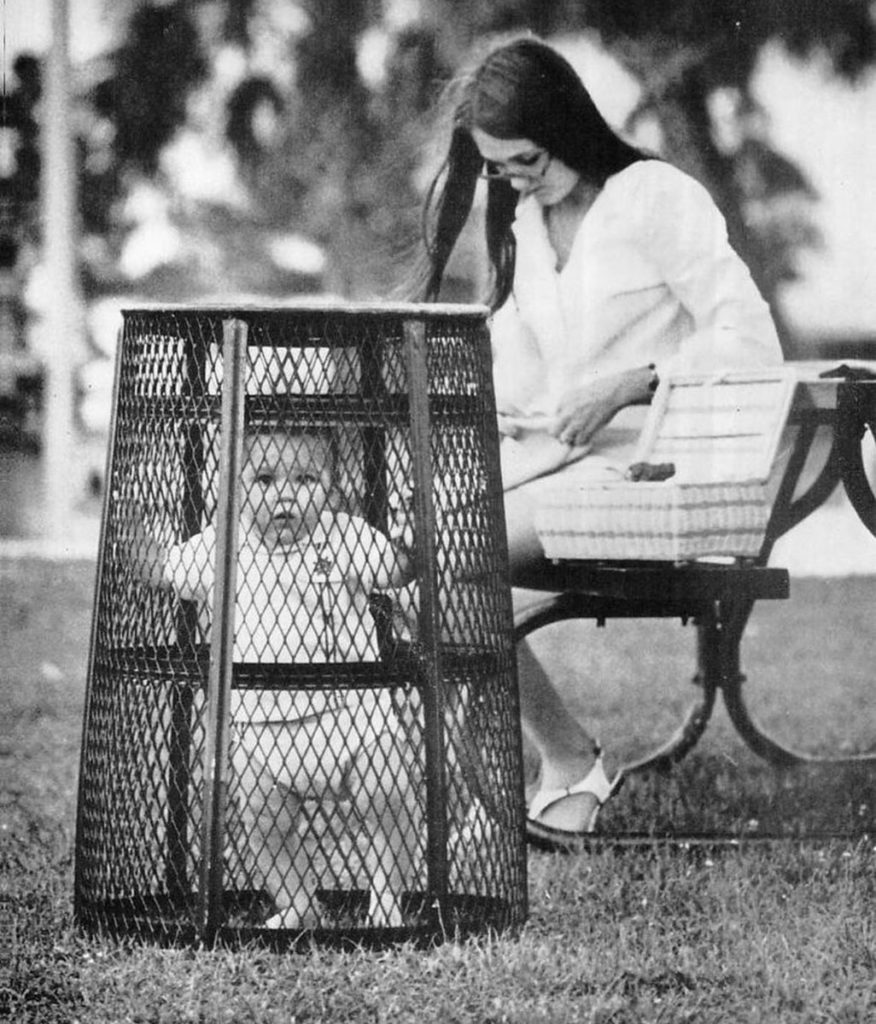
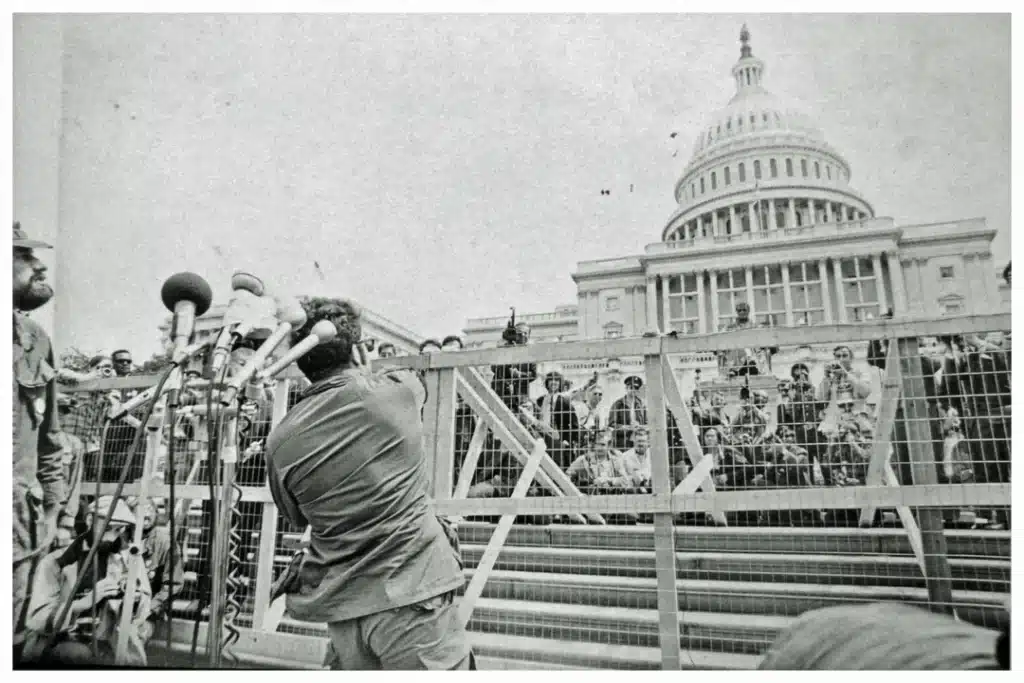
Henry Ford in the first car he ever built, 1896.Two newsies, New York, 1896.The absolutely massive chain for the Titanic’s anchor, c. 1909.A woman plays a piano designed for people undergoing bedrest, 1935.A photo by Berenice Abbot of a woman wiring an IBM computer, 1948.A man repairs the antenna on the World Trade Center, NYC, 1979. Photo by Peter Kaplan.Bottling ketchup at the Heinz factory, Pittsburgh, 1897A meeting of the Mickey Mouse Club, California, c. 1930.The Great Blizzard of 1888, New York CityA WWI-era German submarine washed ashore in Hasting, England, in 1919.The intact seal on Tutankhamun’s Tomb, 1922. It went untouched for 3,424 years.Lumberjacks take a photo with a Douglas fir tree, Washington, 1899.A woman is ticketed for wearing a bikini, 1957.The employee cafeteria at Disneyland, 1961.An unknown soldier, Vietnam, 1965An Austrian child gets new shoes during WWIAn American soldier talks with a sunbathing German girl in postwar Berlin, Germany, in 1945Painting the Eiffel tower, 1932.A girl tries to get a reaction from a royal guard. Stockholm, Sweden, 1970s.Audrey Hepburn with her pet deer, 1958.A hippie sells flowers on the road, Oklahoma, 1973.An East German soldier sneaks a little boy across the Berlin Wall, 1961.Wojtek the bear, who fought in WW2.“No dog biscuits today,” London, 1940sMom contains her baby with a trashcan while she crochets, 1969.A Vietnam veteran throws his war medal at the Capitol building in protest of the war. April 23, 1971.
There’s cool, and then there’s the timeless “old-school cool.”
Whether it’s the punks of the 1980s or sophisticates from the 1880s, each period has its own version of cool.
Let’s take a moment to reminisce about the rad, the awesome, and the awe-inspiring figures from the past.
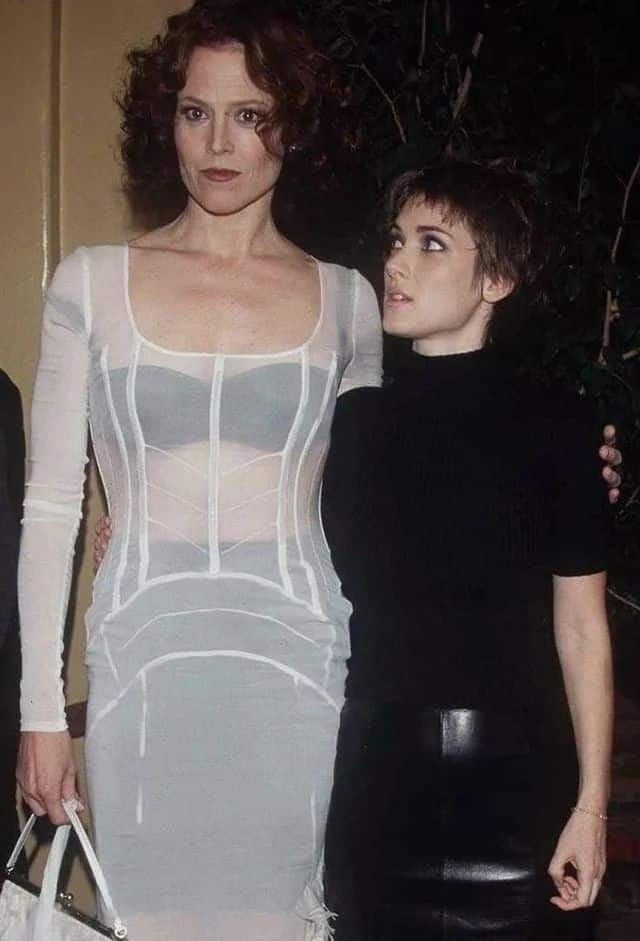
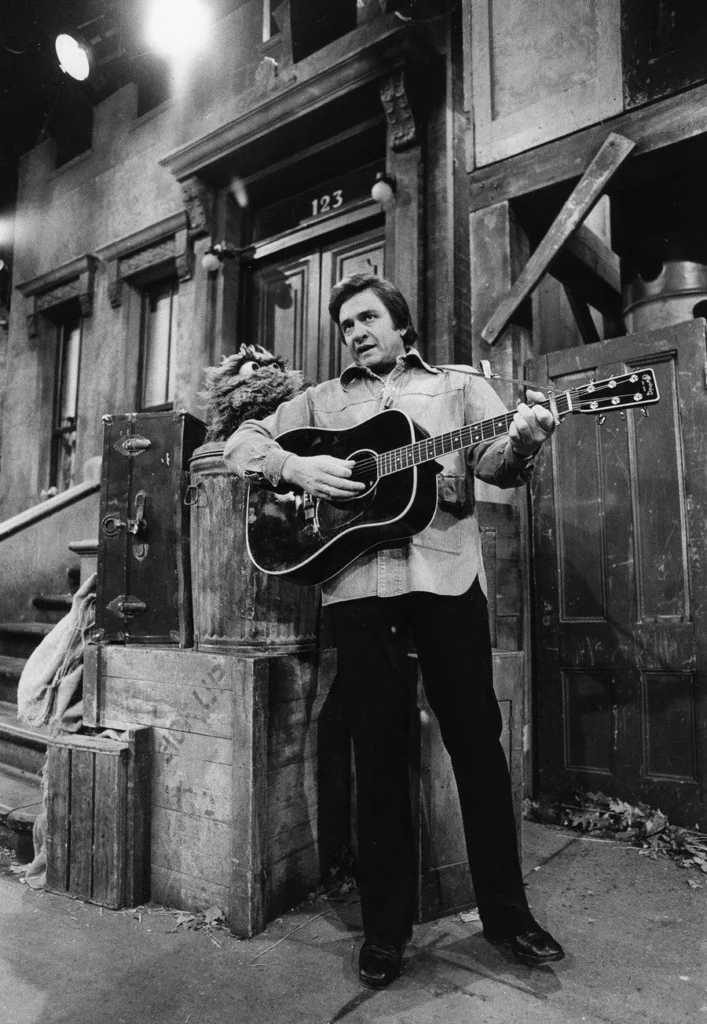
Princess Diana visiting the Pyramids.Sigourney Weaver and Winona Ryder, 1997Johnny Cash on the set of Sesame Street, 1973A man and his beloved pet duck that he raised from an egg, 1994.Joi Lansing (1956).
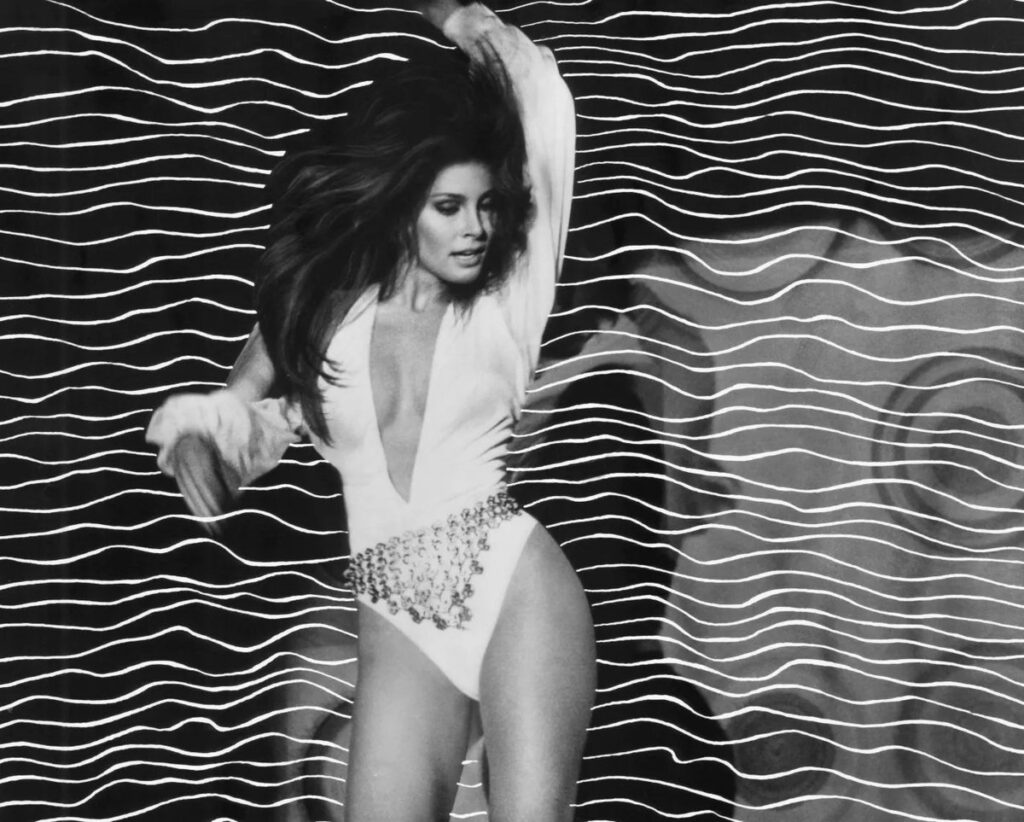
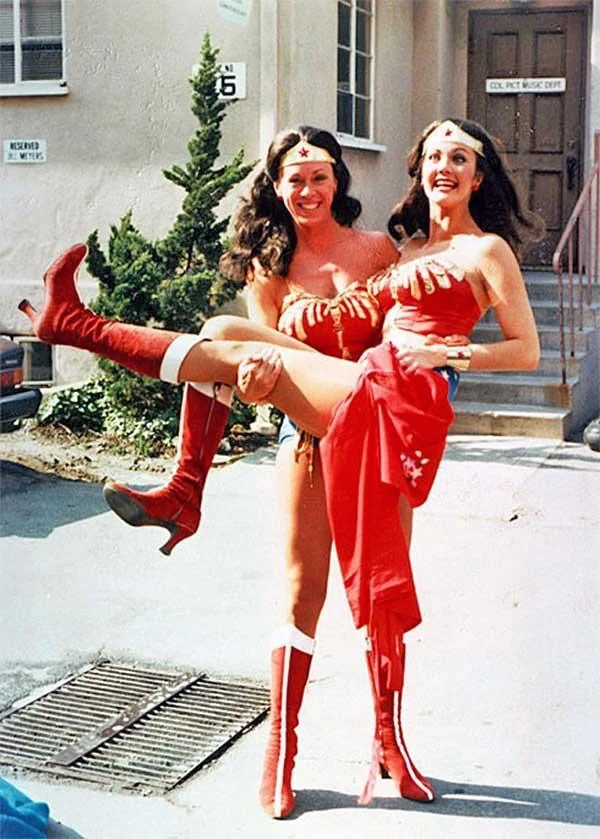
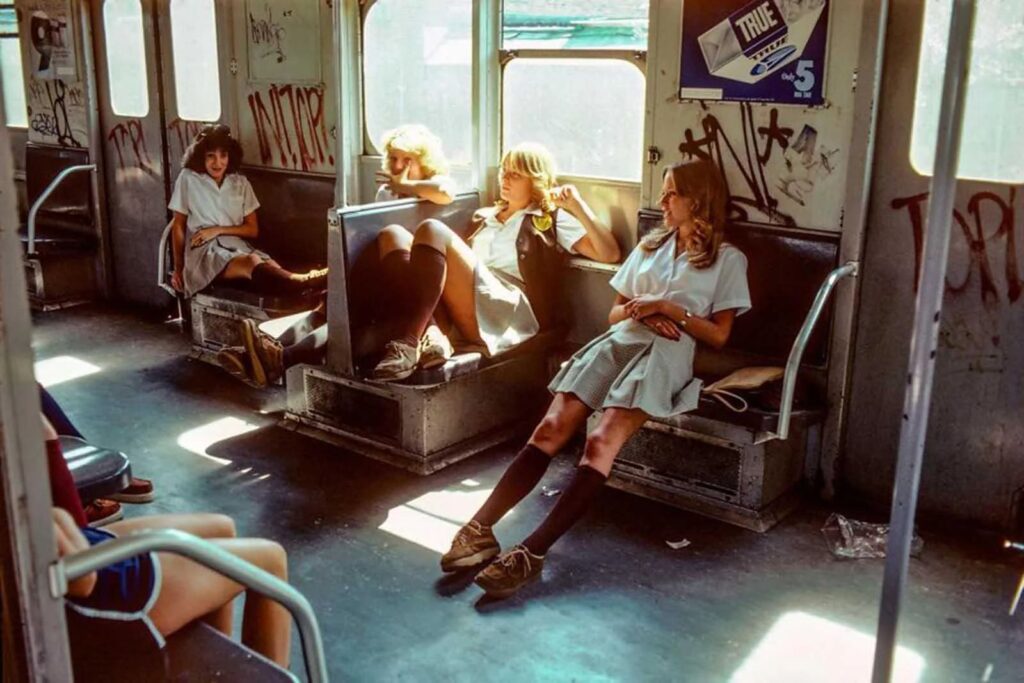
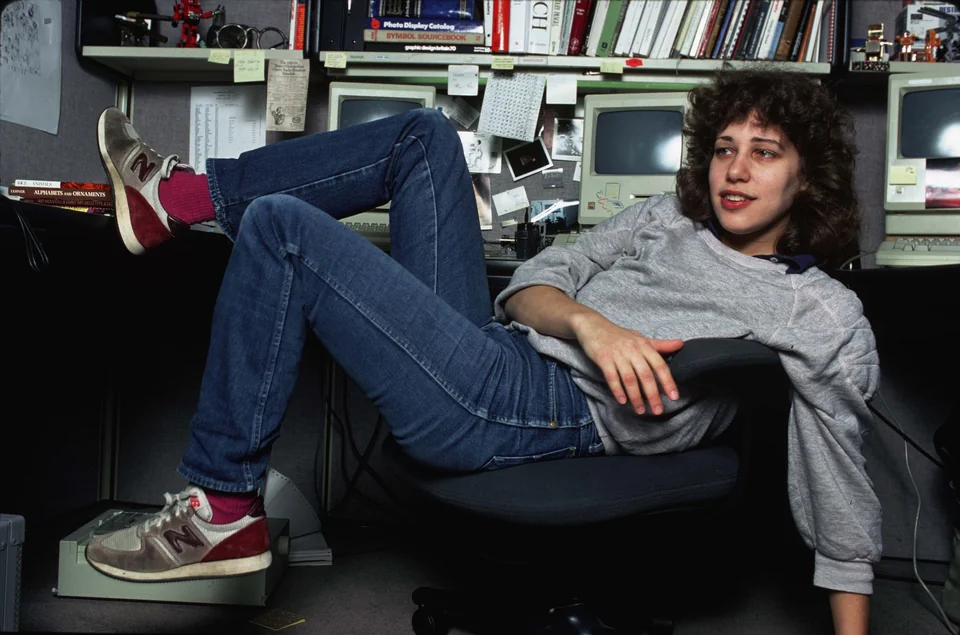
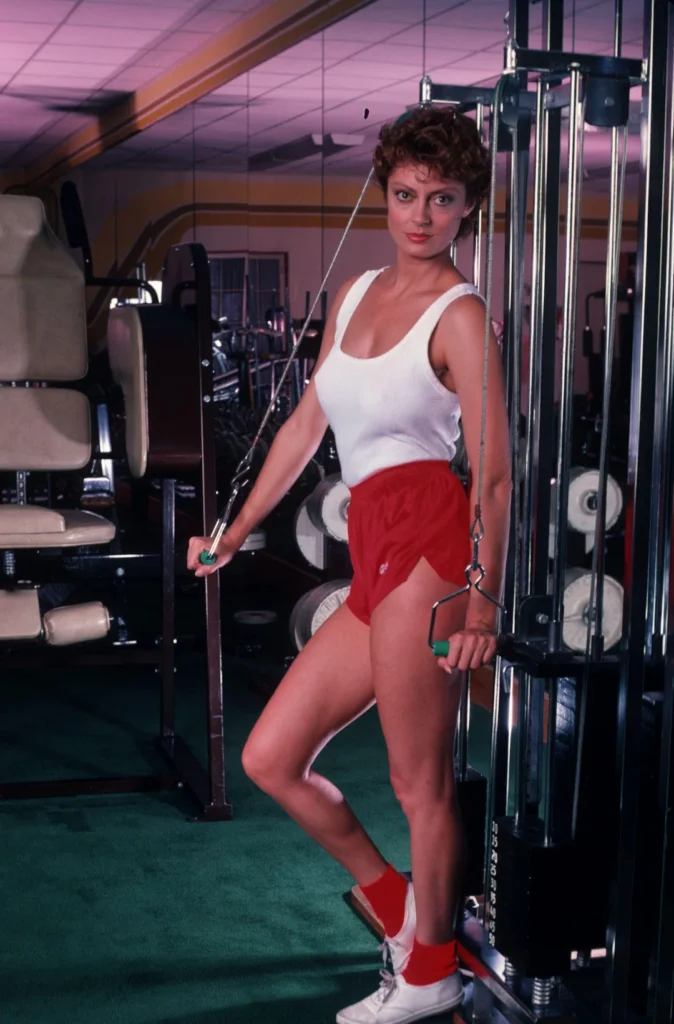
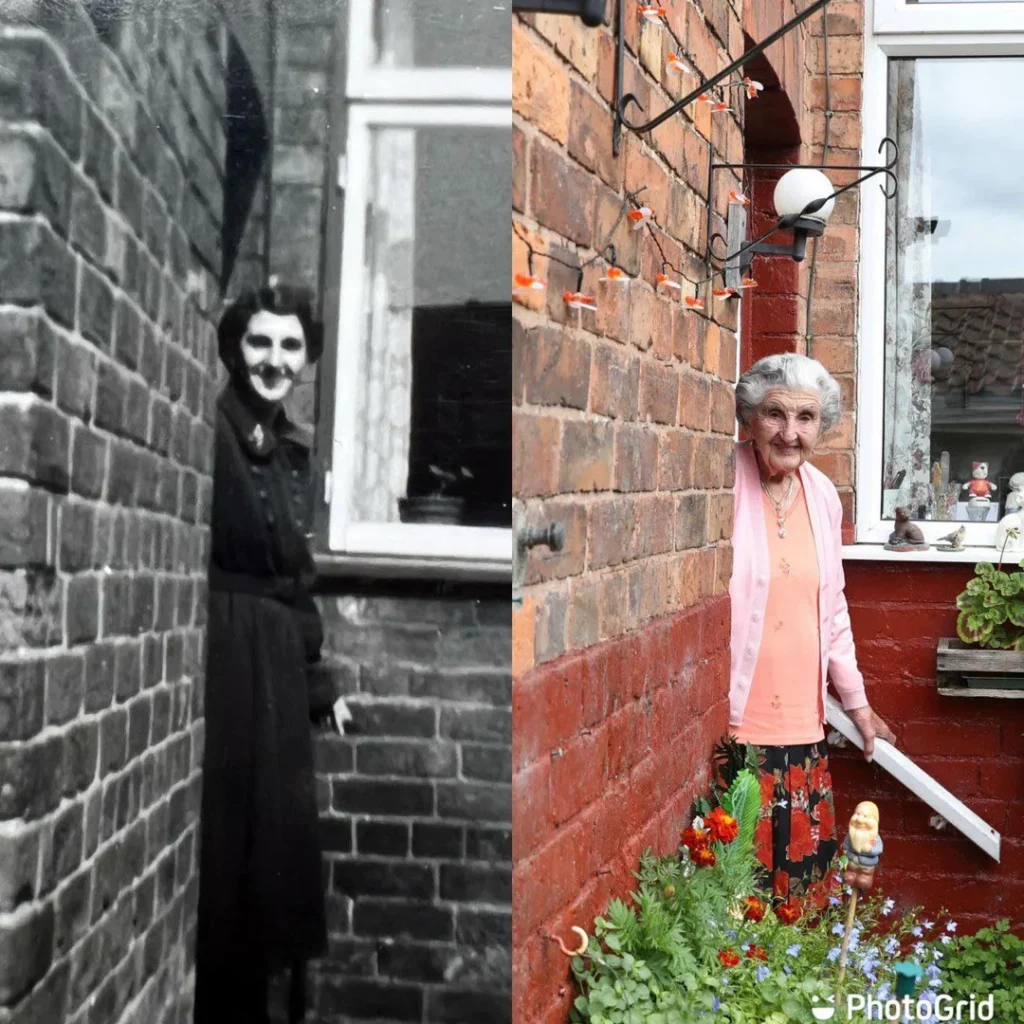
Raquel Welch, FLAREUP, 1969 Lynda Carter being carried by her stunt double Jeannie Epper, 1975.A group of girls in New York City’s subway, circa 1970Carrie Fisher listening to Mark Hamill’s first son, 1979Susan Kare, famous Apple artist who designed many of the fonts, icons, and images for Apple, NeXT, Microsoft, and IBM. (1980s)Lynda Carter, 1970s Actress Susan Saradon posing in a gym for a magazine, 1982.Elsie Allcock has lived in the same house for 104 years
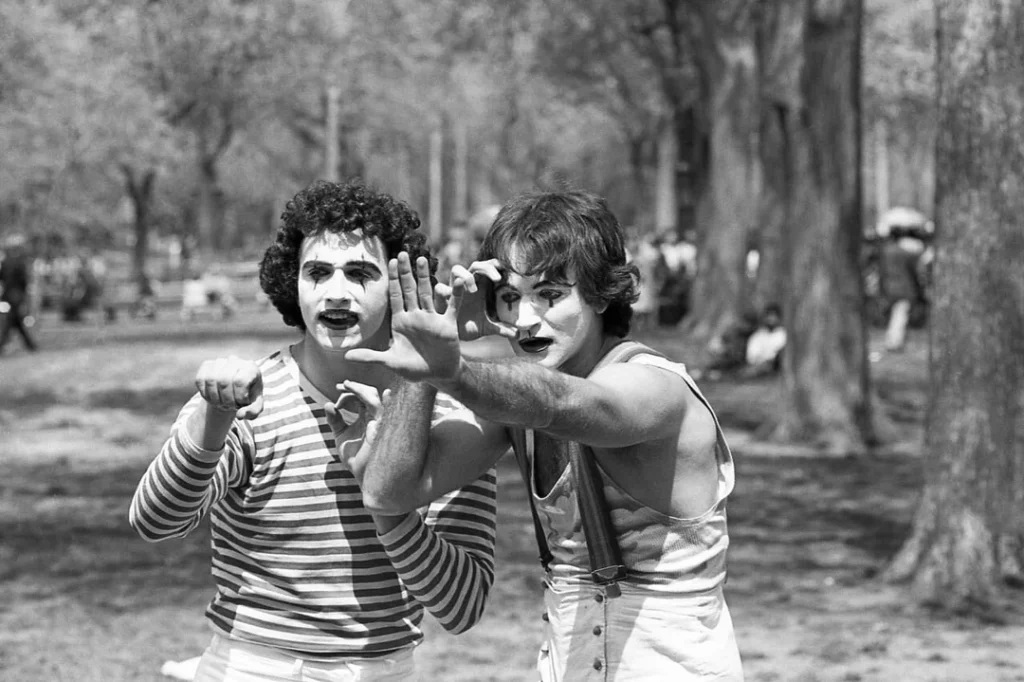
In 1974, 22-year-old Daniel Sorine trained his camera on two mime artists performing in New York’s Central Park. In 2013, Daniel was looking through his negatives and photographs when he realized one of the mimes was Oscar-winning actor Robin Williams.Miss Eve Eden sends greetings from 1953.
After the invention of photography in the mid-1800s and continuing through to today, the chronicles of modern history are brimming with genuinely scary photographs that are more horrifying than what’s seen in even the most unsettling horror films.
The most terrifying images captured span a wide array, from formidable animals encountered in the wild to the final moments of victims in natural disasters.
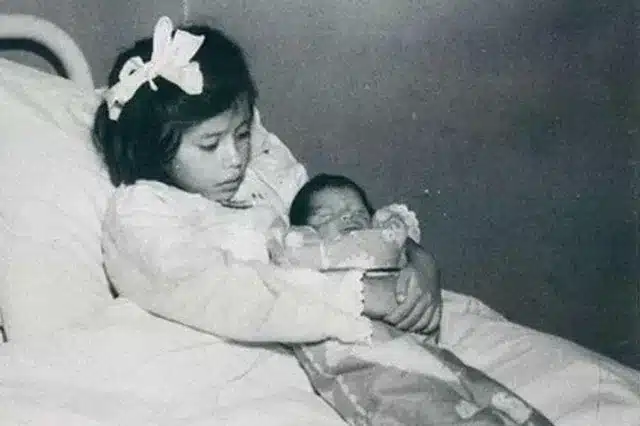
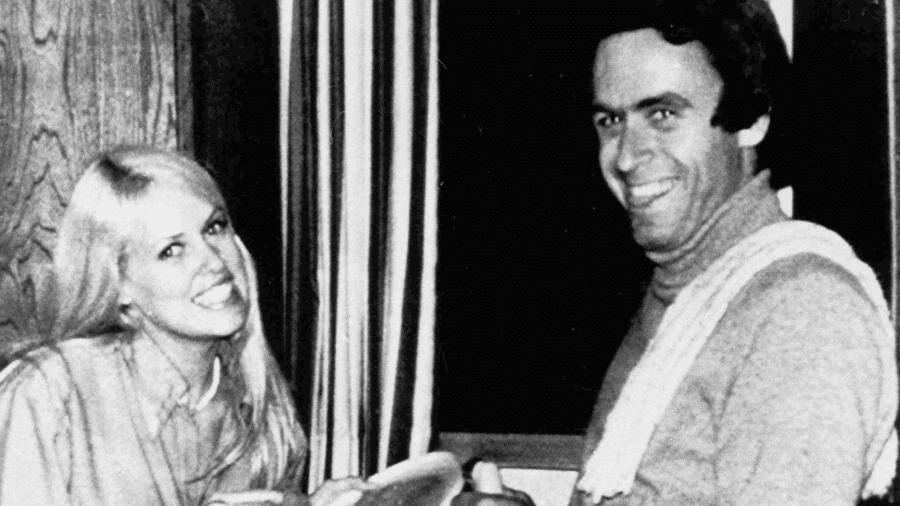
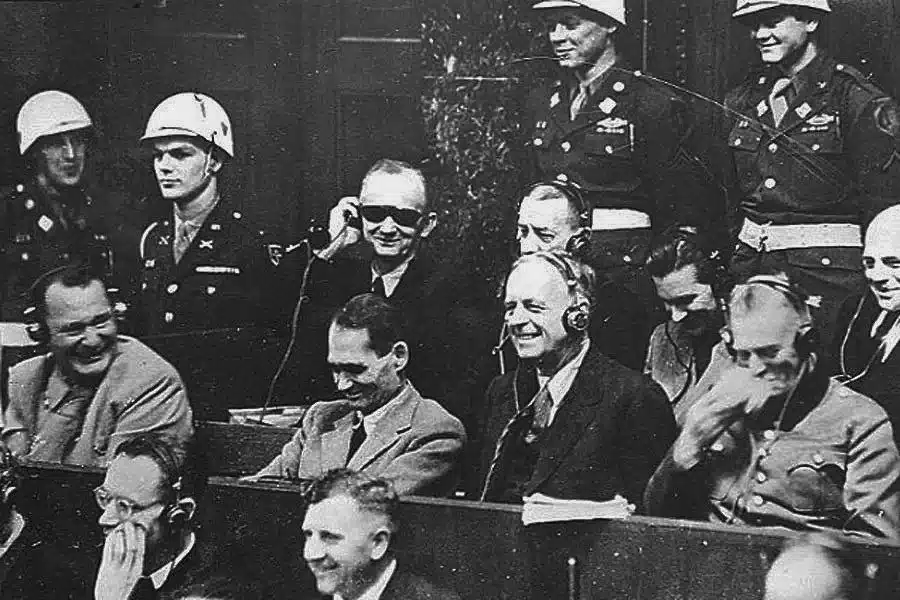
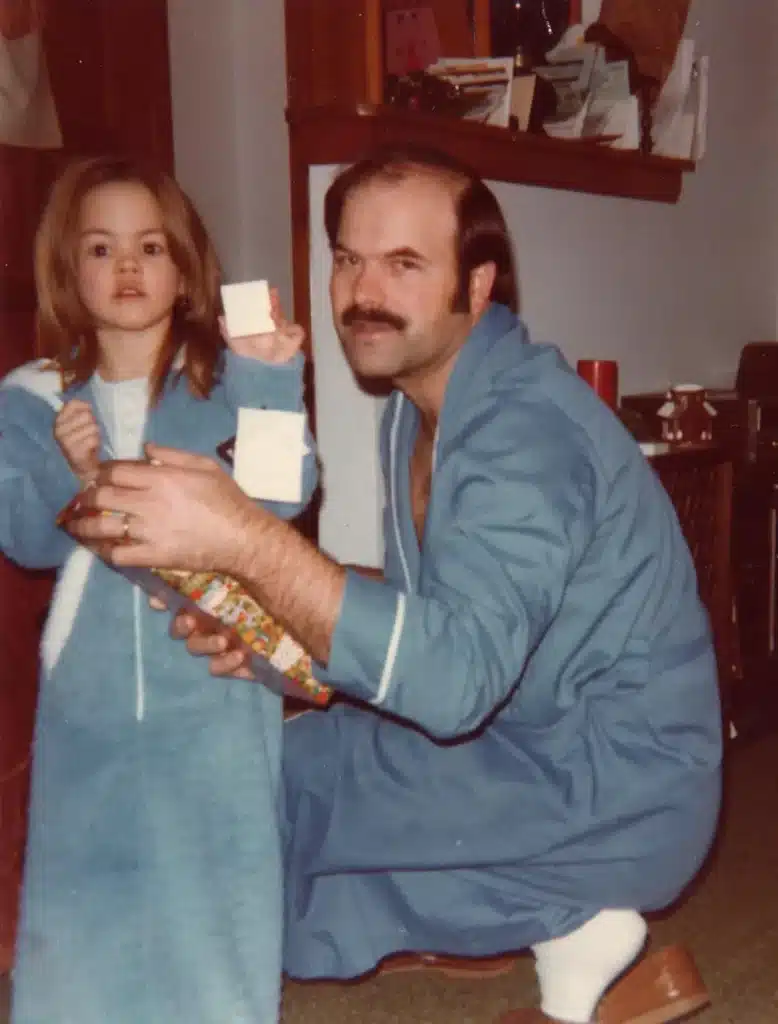
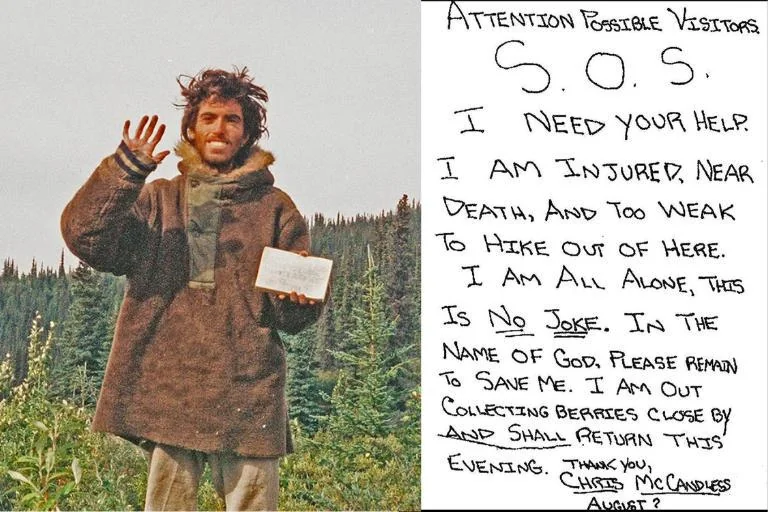
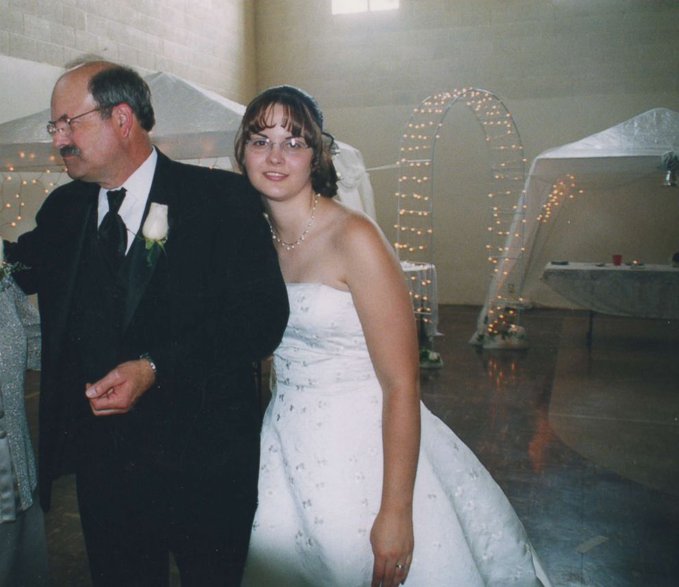
Lina Medina of Peru became the youngest confirmed mother in history at age 5 in 1939.Ted Bundy doing dishes after a birthday partyGerman war criminals laugh at a translation mistake during the Nuremberg Trials, 1945.An Australian Tarantula Hawk Wasp dragging off a huntsman spider to lay her egg on its paralyzed body. When the egg hatches, the larva consumes the paralyzed spider from the inside out, leaving the vital organs until last to keep their paralyzed meal alive as long as possible.Christmas Day 1981. Seen in this photo is Kerri Rawson and her father Dennis Rader, better known to the world as BTKIn 1992, 24-year-old Christopher McCandless was found by moose hunters inside Fairbanks Bus 142, the “Magic Bus,” on Alaska’s Stampede Trail. He had survived alone for 113 days on plants and small animals. When discovered, he weighed only 67 pounds.There was a disease that left people awake but unable to move or speak. Many were trapped inside their own bodies, and it vanished without anyone ever understanding why.
Subscribe to the History Defined newsletter!
Get updates on the latest posts and more from History Defined straight to your inbox.Subscribe
We use your personal data for interest-based advertising, as outlined in our Privacy Notice.
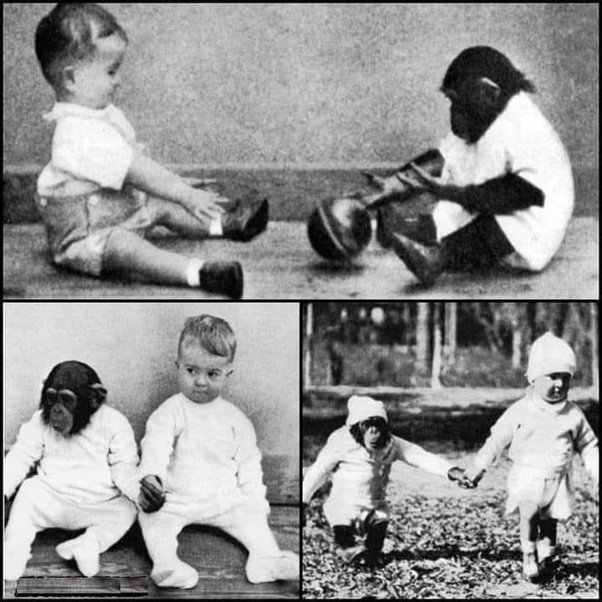
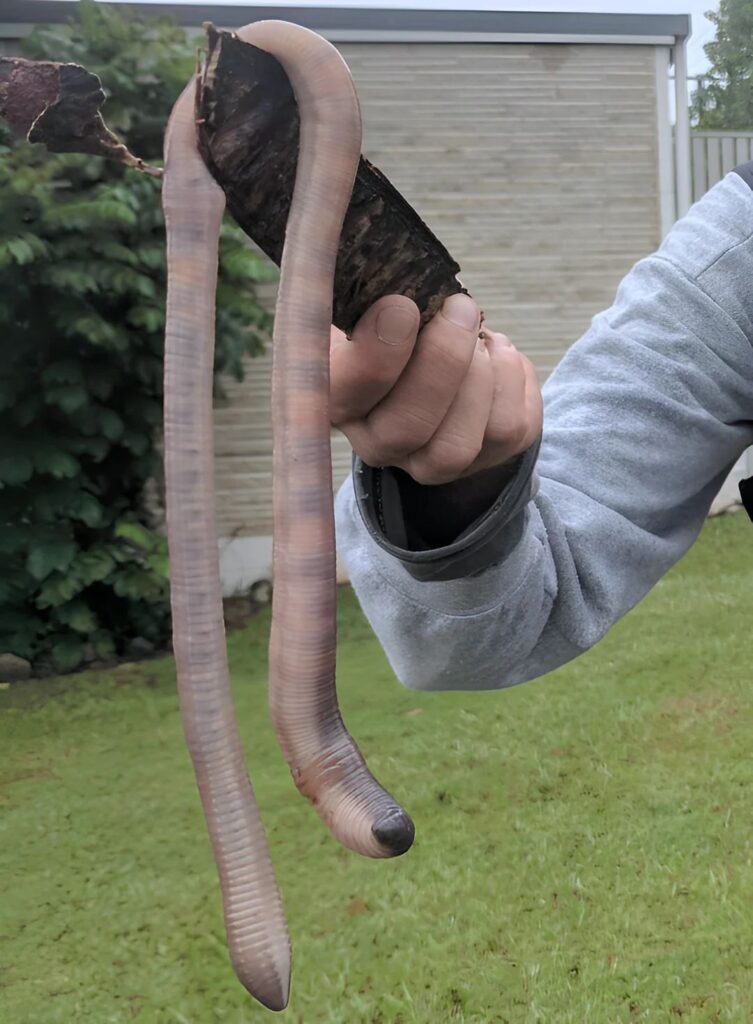
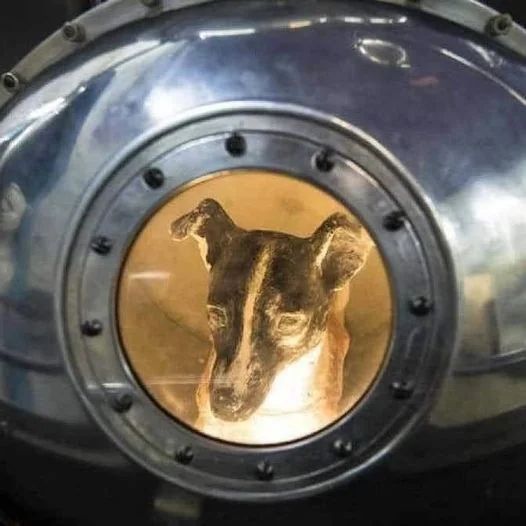
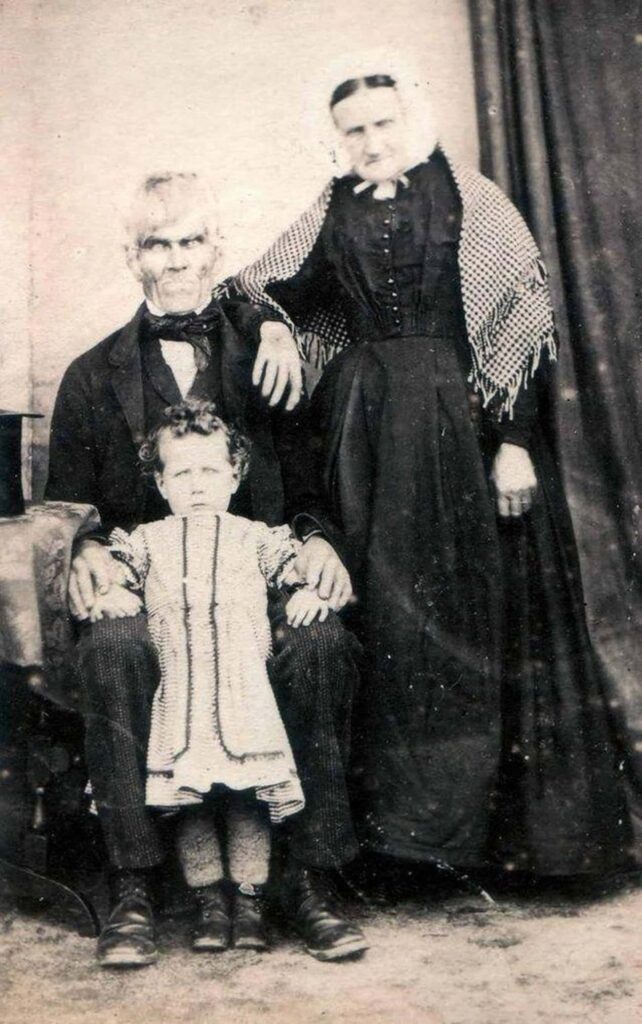
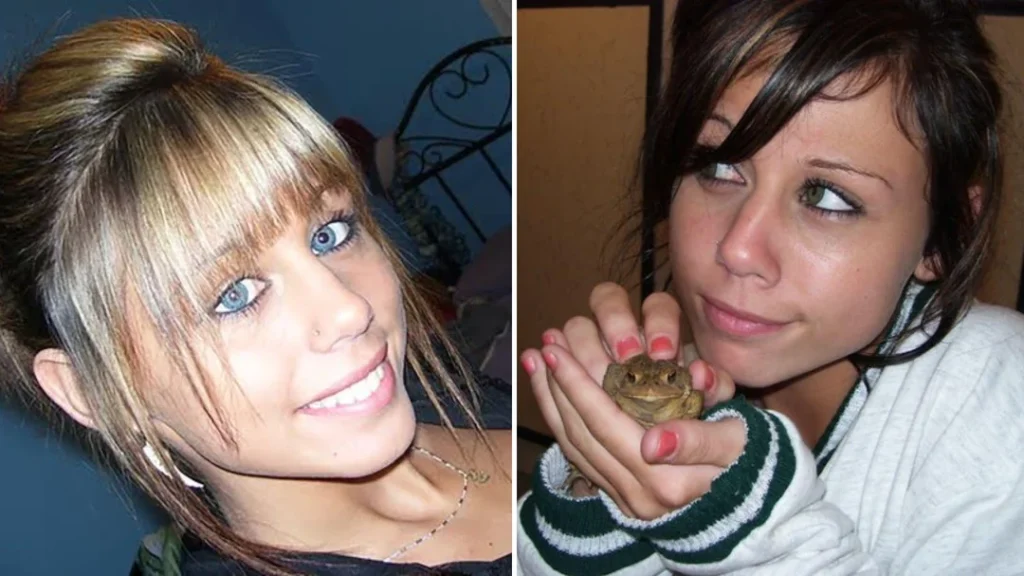
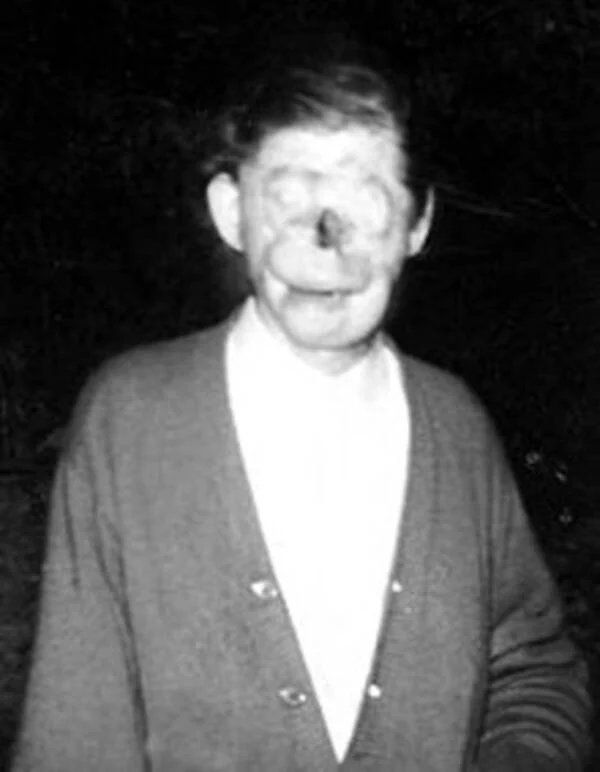
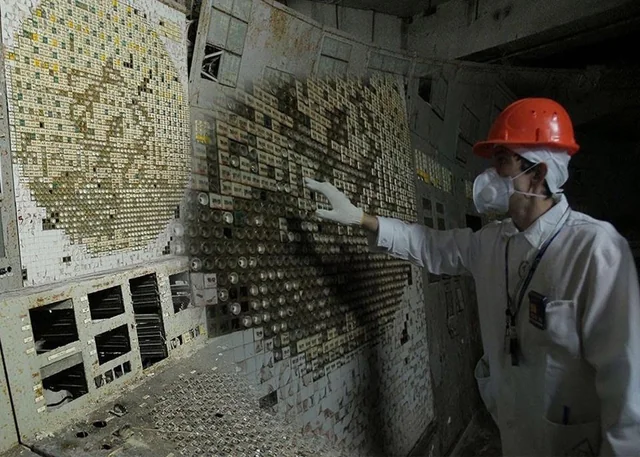
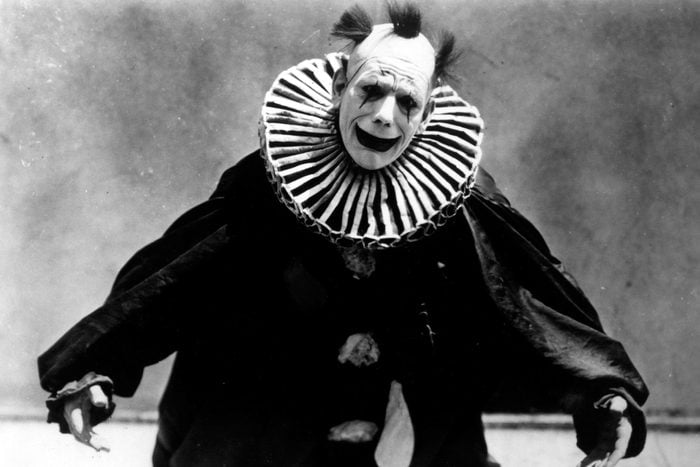
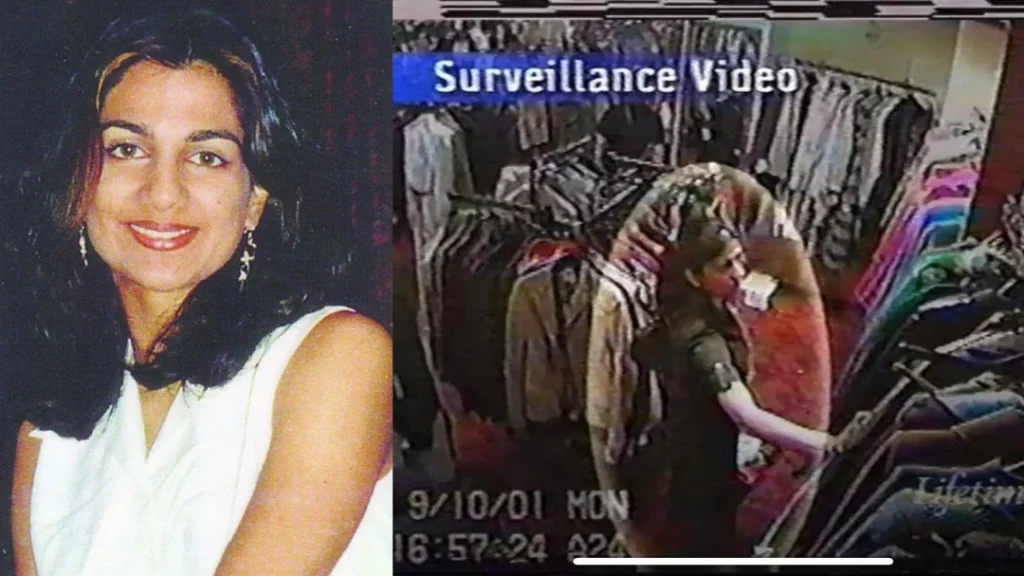
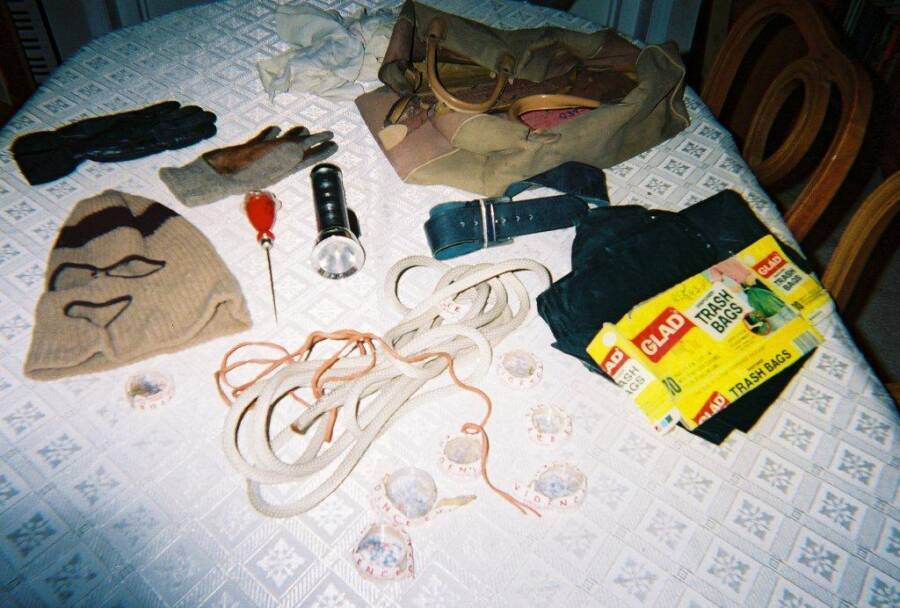
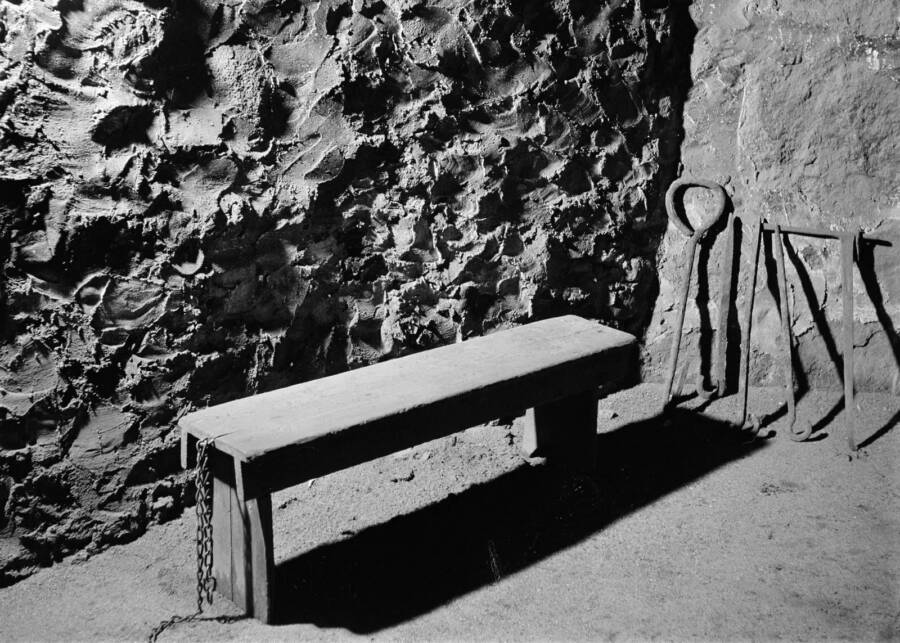
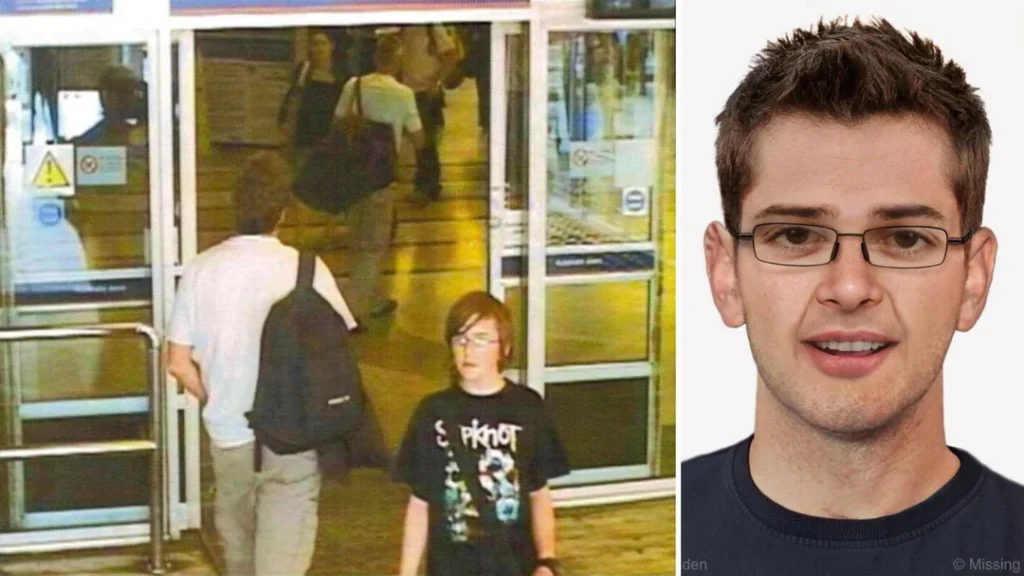
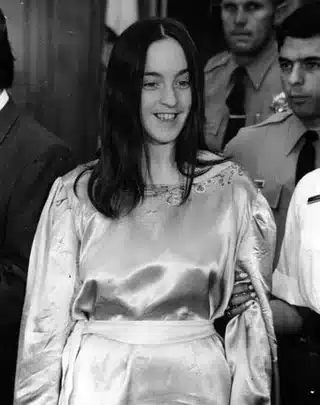
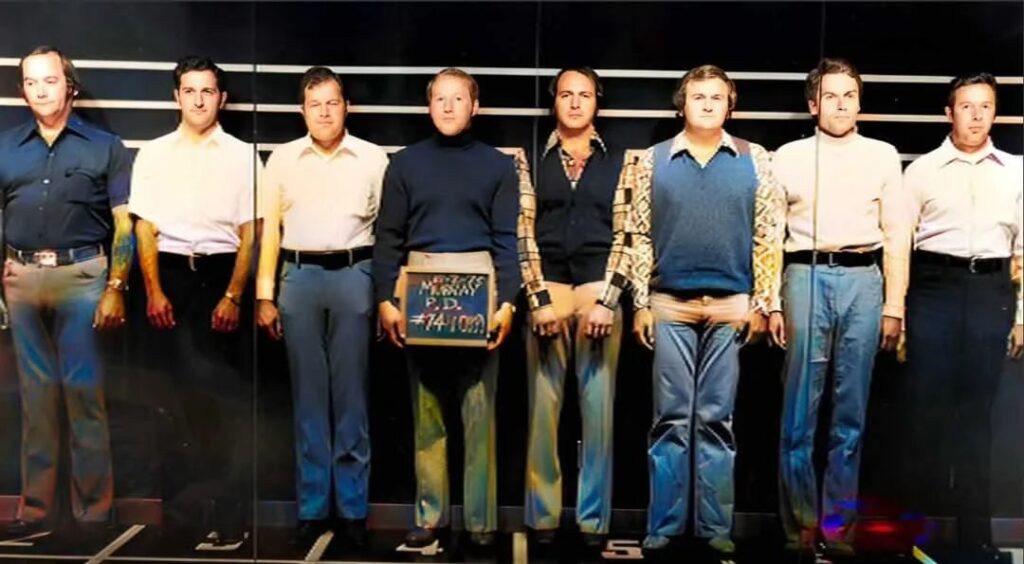
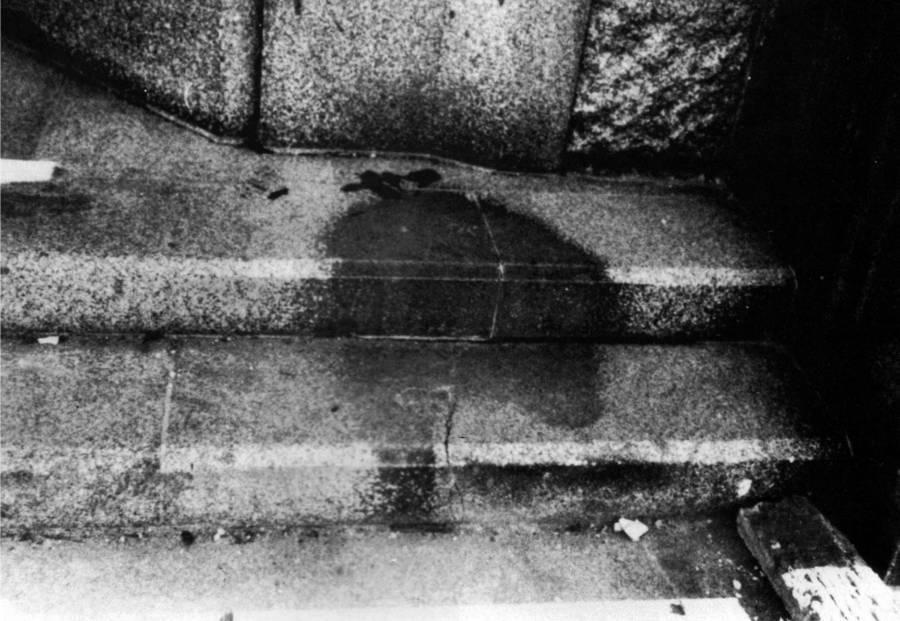
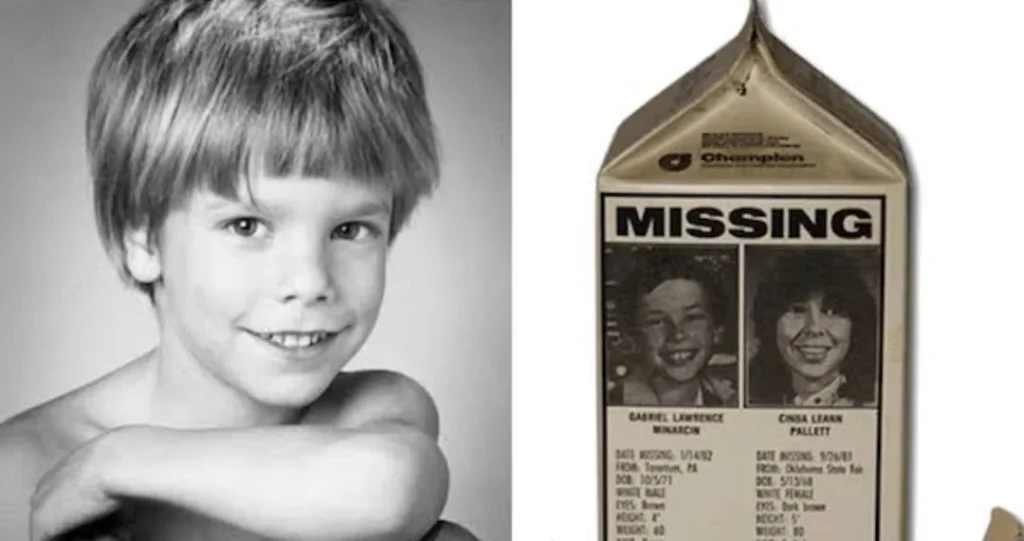
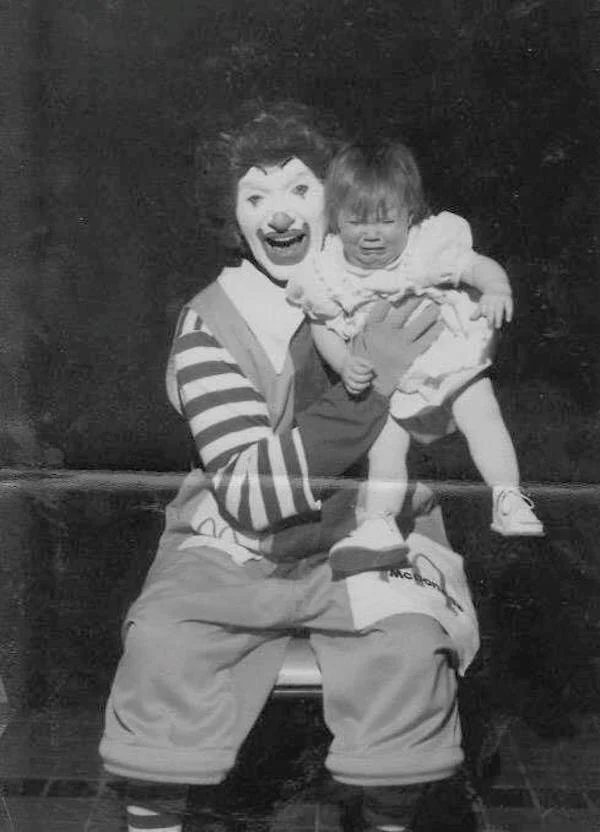
Dennis Rader (BTK) walks his daughter down the aisle at her wedding in 2003Genie Wiley, The “Feral Child”In 1931, two psychologists, Winthrop and Luella Kellogg, began an experiment to see if a chimpanzee could learn human behavior by raising it with their own baby. The idea was to see if the chimp, named Gua, would learn to walk upright, speak, and engage in other human-like activities.A massive earthworm found in Queensland, Australia.A microscopic image of a tapeworm’s head.This haunting picture is of a dog named Laika. In 1957, she was launched into space by a Russian-led team that had no plans for her to ever return. Sadly, she was chosen because of her friendly and docile demeanor.1800s family photoIn 2009, seventeen-year-old Brittanee Drexel slipped out for a spring break trip to Myrtle Beach after a fight at home. She left a friend’s hotel to walk back alone and disappeared halfway along the route. Her phone pinged hours later in a remote marsh. She vanished without a trace.“Charlie No-Face”Fungi that feeds on radiation are growing on the walls of Chernobyl’s ruined nuclear reactorLon Chaney as a clown, 1928.A New Jersey doctor disappeared the day before 9/11. Her husband says she vanished in the attacks.Two inmates in separate cells managed to conceive a child without ever meeting. They passed semen through the air vents using a makeshift line made of bedding, and the woman used a yeast infection applicator to inseminate herself. Against all odds, it worked, and the baby was born healthyThe tools of Ted BundyJail cell used during the Salem Witch TrialsThis composite shows Andrew Gosden’s last CCTV frame alongside an age-progressed image. The 14-year-old, known for his quiet intelligence, bought a one-way ticket to London in 2007, stepped into King’s Cross Station, and disappeared from view.The start of the 2004 Indian Ocean TsunamiSusan Atkins was photographed after she reneged on her grand jury testimony to rejoin Manson, completely blowing off a lesser sentence.The last moments off a man who jumped in a tiger enclosure, 2014.Ted Bundy in a police lineup, Murray, Utah.The nuclear shadows of HiroshimaIn 1979, 6-year-old Etan Patz vanished on his way to the bus stop in New York City. He became the first missing child to appear on a milk carton. An early version of Ronald McDonald19-year-old Jason Jolkowski disappeared without a trace during a half-mile walk to the local high school on June 13, 2001. The investigation into his disappearance failed to turn up even a shred of evidence as to what had happened to him.Tammy Lynn Leppert, the actress who distracts Manny in Scarface, vanished at 18 soon after filming and was never found.Vintage Halloween Costume
I was too anxious to touch my lunch on my first day at work, and Charles was the only person who seemed to notice. For 11 years, we ate lunch together every day. My coworkers made fun of me, but I believed I was only showing kindness to a lonely elderly man. After his funeral, I discovered that kindness had changed both of our lives.
My first day at the company began with a sandwich I was far too nervous to eat.
I had arrived ahead of time, located my desk, met my manager, and smiled through so many introductions that my cheeks hurt.
By lunchtime, my stomach had twisted itself into knots.
Advertisements
And when the break room doors swung open, I stepped straight into a wall of sound.
Groups had already settled in. Laughter, private jokes, people leaning over tables as if they had known one another forever.
I stood there clutching my lunch bag like a child on her first day at a new school, looking around for a place where I would not feel like an interruption.
Every table was occupied. Every group had its own rhythm, and I did not belong to any of them.
Then, near the window, a man in a gray uniform lifted his eyes from his sandwich. He was older, probably in his sixties, with gentle eyes and the sort of quiet presence that asked for nothing.
“You can sit here, if you’d like,” he said.
I nearly cried.
It was the first genuinely kind thing anyone had said to me all day that did not feel attached to a polite, professional smile.
“Thank you,” I said, taking the seat across from him. “I’m Charlotte.”
“Charles,” he said, then returned to his sandwich.
That was all. No dramatic greeting. No personal history. Just a name, a small nod, and an empty chair across the table that somehow felt warmer than every other seat in that room.
I could say I sat with Charles that first day because there was nowhere else for me to sit.
That was true.
But by the second day, I sat with him because I wanted to.
—
It became our habit without either of us ever announcing it.
Noon. The same window table. The same two chairs.
Most days, he brought the same kind of sandwich, wrapped in wax paper the way someone does when they have been doing it for decades.
I brought whatever I had managed to make that morning.
We spoke about little things. The weather. A book he was reading. His irritation over the elevator that had been out of order for three weeks.
Nothing important, yet somehow all of it mattered.
Charles always carried a small notebook in his shirt pocket, its corners worn and softened. After lunch, before he rose to return to his cart, he would take it out and jot something down.
Quickly. One or two lines.
I figured it was a grocery list, or maintenance reminders, or something just as ordinary.
I never asked.
That is the part I keep returning to now. Not once did I ask what he was writing.
The jokes began gradually, as most unkindness does.
“Lunch with your boyfriend again?” someone said one afternoon, grinning as if it were the cleverest thing they had said all week.
I laughed because that is what people do in moments like that.
“Charles is better company than you,” I said, then went back to eating my sandwich.
But it did not end there.
It became a running joke.
People would glance over at our table and smirk.
Once, someone placed a fake “reserved” sign on Charles’s chair as a joke.
Someone else asked me, pretending to be concerned, whether I worried about my “career trajectory” when I sat with the janitor every day, as if being near him might somehow rub off and get me transferred to mop duty.
I brushed off every one of those remarks with a laugh.
But laughing something away is not the same as not feeling it, and most evenings I drove home replaying their words, wondering whether I had truly become the office joke.
Charles never appeared to notice, or if he did, he never allowed it to touch him.
One day, after a particularly loud set of comments from a nearby table, I asked him:
“Doesn’t it bother you? What they say?”
He took his time, sipping his coffee slowly before he replied.
“People are loudest when they don’t understand what quiet is worth.”
I did not fully understand what he meant.
Not back then.
The years passed the way years do when you are not paying close attention.
I was promoted.
That afternoon, Charles bought a cupcake from the gas station down the street and pushed it across the table to me. No card. No big gesture.
He simply placed it there as if it were nothing.
“You don’t have to do that, Charles.” I said.
“I know. I wanted to.”
A few years after that, my marriage fell apart. I came to lunch that week barely saying anything, staring down at my food and hardly eating.
Charles did not pry. He only talked about ordinary things, giving me something outside my own thoughts to listen to, and making the silence between us feel safe instead of hollow.
Then, the following year, my mother died.
I returned to work three days later because I had no idea what else to do with myself.
I had forgotten to bring lunch. I sat down across from Charles, realized I had nothing to eat, and simply stared at the table.
Without saying a word, he tore his sandwich in half and slid one piece toward me.
“Eat something. You’ll feel worse if you don’t.”
So I ate.
And for the first time since the funeral, I cried in front of someone who was not family.
He did not attempt to repair the grief. He only sat there and allowed it, as though his presence was enough.
And it was.
—
One Monday, Charles did not show up.
I noticed immediately. Eleven years of lunch at noon will make you notice.
I told myself he was probably home sick, that he would be back on Tuesday, that everything was fine.
Tuesday passed.
So did Wednesday.
On Thursday, my manager mentioned it almost casually, in the way people mention things that do not feel personal to them.
“Oh, did you hear about the janitor? Charles, I think that was his name. Passed away over the weekend. Heart attack, I guess.”
For a moment, I just sat there, unable to understand the sentence even though every word was perfectly clear.
“Charles? Our Charles?”
“I guess so,” she told me, already turning back toward her computer screen.
I went into the bathroom and sat inside a stall for ten minutes before I could breathe normally again. When I finally came out, the break room looked exactly the same as it always had.
Loud. Crowded. No one sitting at our table.
The funeral took place on a Saturday in a small chapel across town.
I went by myself.
I had quietly checked whether anyone else from the office planned to attend.
A few strangers gave me the sympathetic head tilt people use when they want to look like they care without actually doing anything.
No one from my office came.
After eleven years of working in that building, the man who had shown people where to go, repaired countless jammed printers, and helped keep the entire place functioning was being laid to rest with barely a dozen people present.
I sat near the back. The service was brief, simple, and dignified in the same quiet way Charles had been.
When it was over, I stayed after everyone else for a while, not ready to leave and not entirely sure what I was waiting for.
That was when a man in a dark suit walked over to me.
“Are you Charlotte?”
I nodded, surprised. “Yes.”
“My name is Liam. I’m Mr. Wilson’s attorney.” He held out his hand, and I shook it, still trying to process the word attorney being connected to Charles’s name. “He left something for you. I was told to give it to you personally, if you came.”
He handed me an old shoebox, its cardboard softened with age, one corner held together by tape that had turned yellow.
“Mr. Wilson left this for you,” he said again, gently, as if he wanted to be sure I had truly heard him.
—
I held the box for a long while before I could bring myself to lift the lid.
Inside, resting on top, were photographs.
Dozens of them.
The first one tightened my chest before I even fully understood what I was seeing.
It was me. My first day. Sitting across from Charles at that window table, holding my lunch bag and smiling the nervous, grateful smile of someone who had just been offered a lifeline.
I had no memory of anyone taking that picture. I had not even known Charles owned a camera back then.
Then I remembered him taking out his old phone. Maybe he had taken those pictures when I was not paying attention.
I kept looking.
There was a photo from the day I got promoted, me holding the gas station cupcake, smiling as though it was the greatest gift I had ever received, which, in a certain way, it was.
There was a photo from the week of my divorce. I looked exhausted in it, hollowed out, gazing at nothing. But I was still sitting at our table.
He had saved that too.
There was a photo from the day after my mother’s funeral, the half sandwich visible between us on the table, my hands wrapped around a coffee cup as if it were the only steady thing in the room.
Charles had quietly recorded eleven years of my life, capturing moments no one else had considered important enough to see.
—
Under the photographs was the notebook. The same notebook. The one he had written in every day after lunch for more than a decade.
I opened it with hands that would not stay steady.
The entries were brief. Dated. Some only a single sentence.
Charlotte smiled today. First time all week.
Promotion day. She acted like it was not important. It was.
Her mother is gone. Ask tomorrow if she managed to sleep.
Page after page, year after year, written in handwriting that had grown a little shakier with time but never less deliberate.
Every small thing I thought no one had noticed, Charles had written down as though it mattered.
Because to him, it did.
—
At the very end of the notebook was a folded letter, with my name written across the front in the same handwriting.
I sat on a bench outside the chapel and read it.
He wrote that he knew what people said about us. The jokes, the comments, the way some of them looked at me with a strange pity because I chose to sit with the janitor every day.
He said it had never bothered him, because none of them understood what they were actually seeing.
Then I reached the final page.
Something slipped free and landed in my lap.
A photograph.
A young woman standing beside Charles.
Smiling.
For one brief second, I thought I was looking at myself.
I turned the picture over.
On the back, in Charles’s handwriting, were two words:
My daughter.
—
My hands began to tremble.
I unfolded the last page of the letter.
He wrote that many years before I ever joined the company, he had a daughter.
She had died young, before I was even born, and after that, most days had felt like background noise he was merely waiting through.
Then I sat across from him on my first day.
He wrote that I reminded him of her. Not in a way that deepened his sadness, but in a way that made the world feel a little less vacant again.
He said he had never told me because he did not want me to feel indebted to him, or as if I were standing in for someone I had never known.
“Everyone thinks I gave you a seat at my table,” he wrote. “The truth is, you gave me one.”
—
I sat on that bench with the shoebox in my lap and cried until I could no longer finish reading the letter.
On Monday morning, I entered the break room with the shoebox tucked under my arm.
It was loud, just like always.
A few people glanced toward me, and one of them, half-smiling, said, “Hey, you doing okay? Heard you went to the janitor’s funeral.”
Usually, I would have nodded, minimized it, and let the moment disappear the way I had allowed a hundred other moments to pass.
Instead, I walked to our table. Charles’s chair was still there, pushed in and untouched, as though no one had wanted to move it, but no one had wanted to admit why either.
I placed the shoebox on the table and lifted the lid.
“His name was Charles,” I said, loud enough for everyone in the room to hear. “And for eleven years, you all thought I was doing him a favor by sitting with him.”
I took out the first photograph.
Then another.
Then the notebook.
Little by little, the room began to fall silent.
I did not make a speech.
I did not have to.
I simply let them see. The photos. The dates. The small, careful lines of handwriting that had preserved eleven years of a life most of them had never bothered to recognize belonged to a real person sitting only two tables away.
One by one, the jokes no one was laughing at anymore faded into something closer to shameful silence.
A few people looked down.
One woman, who had made more remarks than most, picked up the picture from my promotion day and stared at it for a long moment before placing it back without saying a word.
I did not need an apology.
I sat down in my old chair. Across from me, Charles’s chair remained empty, the way it would every day after that.
But for the first time, that emptiness did not feel like absence. It felt like evidence.
On my first day, Charles gave me a place to sit.
Eleven years later, I finally understood what he had truly given me.