Author: admin

  • Three-Dot Tattoo Explained: What It Represents Across Different Cultures

    Three-Dot Tattoo Explained: What It Represents Across Different Cultures

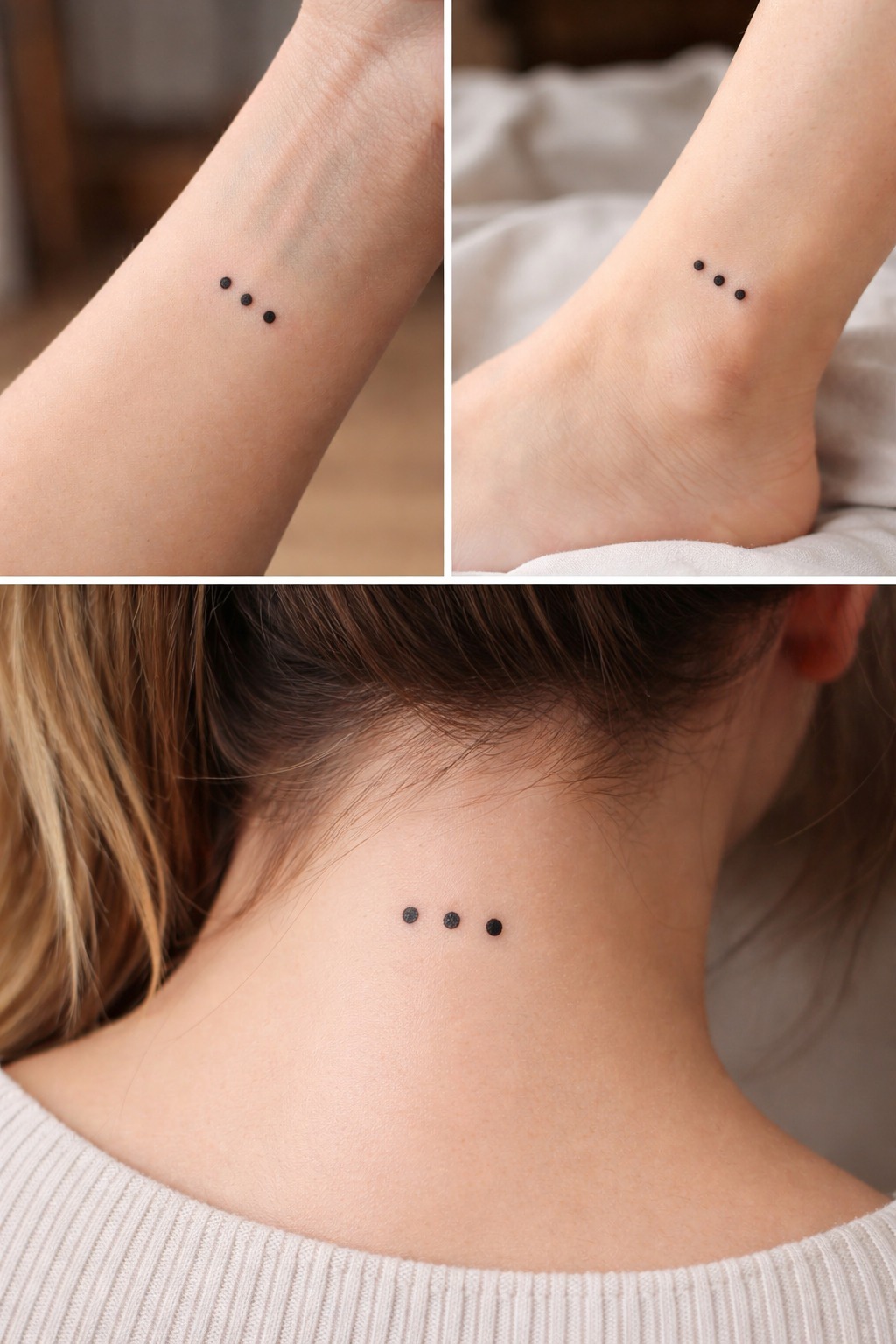
    The three-dot tattoo is one of the most recognizable minimalist tattoo designs in the world. Although it consists of only three small dots, it has attracted attention for decades because of the many different meanings people associate with it. Unlike symbols that have one universally accepted definition, the three-dot tattoo has evolved in different ways across cultures, communities, and generations. For some people, it represents a personal philosophy or an important life lesson, while for others it simply serves as a meaningful reminder of their own experiences. Its popularity also comes from its simplicity, as the design is easy to recognize without being large or elaborate. Because tattoos are forms of personal expression, the same symbol can have a completely different meaning depending on who wears it. This makes it important to avoid assuming that every person with a three-dot tattoo shares the same beliefs or background. As with many forms of body art, understanding the individual story behind the design often provides a much clearer picture than relying on stereotypes or first impressions.

    One of the best-known interpretations of the three-dot tattoo is its connection to the idea of the “Three Wise Monkeys.” This traditional concept encourages people to avoid seeing evil, hearing evil, and speaking evil, promoting wisdom, self-control, and thoughtful behavior. Many people choose the tattoo because they appreciate these positive values and want a simple symbol that reminds them to approach life with patience, kindness, and awareness. The design is commonly placed between the thumb and index finger, near the knuckles, or on another visible part of the hand, making it a constant personal reminder throughout daily life. Others may choose different placements depending on their preferences or artistic style. The tattoo’s minimalist appearance also appeals to those who prefer subtle body art instead of large, detailed designs. In recent years, minimalist tattoos have become increasingly popular because they can carry deep personal meaning while maintaining a clean and understated appearance. For many wearers, the three-dot tattoo represents personal growth, reflection, and the desire to live according to values they consider important.

    The meaning of the three-dot tattoo can also change depending on where in the world it is seen. In some regions, it has become associated with the Spanish phrase “Mi Vida Loca,” which translates to “my crazy life.” For individuals who choose this interpretation, the tattoo may symbolize a life filled with challenges, unexpected experiences, personal transformation, or lessons learned through difficult times. Rather than celebrating hardship itself, many people see it as a reminder of resilience and the ability to continue moving forward despite obstacles. Across different cultures, tattoos often reflect important milestones,  family traditions, personal achievements, or emotional memories. This is why a design that appears simple on the surface may hold years of personal history for the individual wearing it. As tattoo culture has become more accepted around the world, many traditional symbols have also gained new interpretations that are entirely separate from their historical origins. Modern tattoo artists frequently explain that clients often select designs based on personal significance instead of established symbolism, making every tattoo unique to the individual who chooses it.

    Because symbols can carry different meanings, visible tattoos may sometimes be interpreted differently depending on the setting or the people viewing them. In professional environments, schools, or public spaces, some individuals may make assumptions based solely on appearance without knowing the story behind the design. This highlights the importance of recognizing that body art is a personal choice and that symbols often have multiple interpretations. Over time, attitudes toward tattoos have changed significantly in many countries, with increasing numbers of people viewing them as a form of creativity, self-expression, or cultural appreciation. Small tattoos like the three-dot design are especially popular because they allow individuals to express something meaningful without attracting excessive attention. At the same time, many tattoo enthusiasts encourage learning about a symbol before assigning a particular meaning to it. Doing so promotes understanding and reduces the likelihood of misconceptions that can arise from viewing a symbol without its cultural or personal context.

    Ultimately, the three-dot tattoo demonstrates how even the simplest designs can carry rich and varied meanings. For some people it represents wisdom, mindfulness, and positive values, while for others it reflects personal experiences, resilience, or an important chapter in life. There is no single explanation that applies to every person who wears this tattoo, and that diversity is part of what makes the symbol so interesting. As tattoo culture continues to evolve, many classic designs are being reinterpreted by new generations who give them fresh personal significance. Whether someone chooses the three-dot tattoo for philosophical reasons, cultural tradition, artistic preference, or simply because they appreciate its minimalist style, its true meaning belongs to the individual. Understanding this reminds us that symbols are often far more personal than they first appear, and taking the time to learn the story behind them encourages greater respect for the many different ways people choose to express their identities.

  • Why Your Jeans Get Those Weird Ripples After Washing

    Why Your Jeans Get Those Weird Ripples After Washing

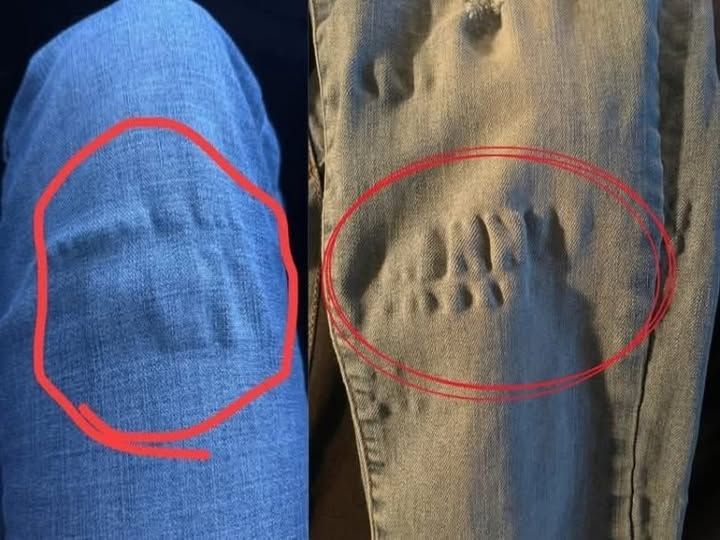
    Many people notice that their favorite pair of jeans begins to develop ripples, puckering, or unusual wrinkles after several trips through the washing machine. At first, it may seem like a manufacturing defect or simply bad luck, but these changes are often the result of how modern denim fabrics are made and cared for. Today, many jeans are produced using a combination of cotton and stretch fibers such as elastane, also known as Lycra. This blend makes jeans more flexible and comfortable while helping them retain their shape during everyday wear. However, the same stretch fibers that improve comfort are also more delicate than traditional cotton denim. Without the right washing and drying habits, the fabric can gradually lose its smooth appearance. Understanding why these changes happen is the first step toward preventing them and keeping jeans looking their best for much longer.

    One of the biggest factors behind rippling is exposure to excessive heat. Stretch fibers are designed to provide flexibility, but they are far more sensitive to high temperatures than cotton. Washing jeans in very hot water or drying them on a high-heat setting can gradually weaken these fibers. As the stretch material loses its elasticity, the surrounding denim no longer contracts evenly, creating waves, puckers, or permanent distortions in the fabric. Unlike temporary wrinkles that disappear after ironing, these ripples often remain because the structure of the material has changed. Repeated exposure to heat can also shorten the overall lifespan of the jeans, making them feel less supportive and causing them to lose their original fit. Choosing lower temperatures during laundry helps protect both the cotton and the stretch fibers, preserving the appearance and comfort of the garment over time.

    Frequent washing can also contribute to premature wear. While many people place their jeans in the laundry after every use, denim usually does not require washing that often unless it becomes noticeably dirty or develops odors. Every wash exposes the fabric to water, detergent, spinning, and friction, all of which slowly weaken the fibers. Inside a washing machine, jeans are constantly twisting, stretching, and rubbing against other clothing. If the machine is overloaded, these movements become even more intense because there is less room for garments to move naturally. At the same time, denim absorbs water unevenly, especially when stretch fibers are blended into the fabric. Some areas expand more than others, and as the jeans dry, those sections may shrink at different rates. This uneven movement can leave certain parts looking wavy while other sections remain smooth, creating the familiar puckered appearance that many people notice after laundering.

    Fortunately, a few simple care habits can greatly reduce the chances of these problems developing. Washing jeans in cold water is one of the most effective ways to protect stretch fibers and reduce unnecessary stress on the fabric. Turning jeans inside out before placing them in the washer helps minimize friction on the outer surface, preserving both the color and texture. Selecting a gentle wash cycle instead of a more aggressive setting also reduces twisting and stretching during cleaning. Whenever possible, avoid overloading the washing machine so the jeans have enough room to move freely without becoming tightly tangled with other garments. If hand washing is practical, it provides even gentler care and helps preserve the fabric for a longer period. These small adjustments require very little extra effort but can significantly improve the long-term appearance of denim.

    Drying methods are just as important as washing techniques. Air drying is generally the safest option because it avoids the high temperatures that can damage stretch fibers. If a dryer is necessary, using a low-heat setting and removing the jeans while they are still slightly damp can help reduce stress on the fabric. Allowing them to finish drying naturally helps maintain their original shape and minimizes the formation of unwanted wrinkles or puckers. Storing jeans properly by folding or hanging them once dry also helps prevent unnecessary creasing. With thoughtful care, a quality pair of jeans can maintain its fit, color, and smooth appearance through many wears and washes. By understanding how heat, water, friction, and overcrowding affect modern denim, anyone can make simple changes that extend the life of their favorite jeans and keep them looking fresh for years to come.

  • My Husband Asked Me to Leave His Gala, but a Hidden Truth Soon Changed Everything

    My Husband Asked Me to Leave His Gala, but a Hidden Truth Soon Changed Everything

    Ava Sterling adjusted the blanket around her four-month-old twins as she stepped into the elegant ballroom of a luxury hotel. Like many new parents, she was running on very little sleep after months of nighttime feedings and caring for two infants. Attending the company’s annual celebration had taken considerable effort, but she wanted to support her husband, Liam, as he celebrated an important milestone in his career. She hoped they would enjoy a rare evening together, even if only for a short while before returning home to their children.

    Family Law

    Instead of greeting her warmly, Liam appeared uncomfortable when he noticed Ava holding the babies. Concerned about appearances at the formal event, he quietly suggested that she leave early and use a side exit to avoid drawing attention. His comments about how exhausted she looked deeply hurt her feelings. Ava realized that, rather than appreciating everything she had done for their  family during the challenging first months of parenthood, he seemed more focused on maintaining a polished public image than offering kindness and encouragement.

    The ride home gave Ava time to reflect on the direction her marriage had taken. She thought about the many occasions when she had overlooked dismissive remarks or excused behavior that left her feeling unappreciated. For years, she had kept one important part of her life private: long before meeting Liam, she had inherited a controlling ownership interest in the multinational company where he worked. She had intentionally chosen not to reveal her position because she wanted relationships built on trust and genuine affection rather than wealth or influence.

    Although Ava rarely became involved in day-to-day operations, she had quietly supported the company from behind the scenes. She had approved leadership development programs, encouraged opportunities for promising employees, and promoted a culture built on professionalism and respect. During routine executive reviews over the previous year, she had also noticed reports expressing concern about Liam’s management style, including communication issues and decisions that did not always reflect the company’s values. She believed every concern deserved a fair and objective review.

    The following morning, the board of directors gathered for a previously scheduled governance meeting. Liam entered the boardroom expecting a routine discussion about recent business results. To his surprise, Ava was seated alongside the directors as the company’s principal owner. The meeting focused on leadership performance, organizational culture, and future direction. After reviewing documented evaluations and recommendations, the board voted to appoint new executive leadership based on its governance process.

    Only after the vote concluded did Ava explain why she had kept her ownership confidential for so many years. She said she had wanted to experience life without the influence of her financial position and hoped that those closest to her would value character above status. She also shared that respect at home should reflect the same principles expected in the workplace: empathy, dignity, and support during life’s most demanding seasons. The room remained quiet as everyone absorbed the significance of her words.

    Standardized & Admissions Tests

    Over the months that followed, Ava embraced both of her important roles with confidence. She became the public leader of the company while continuing to devote herself to raising her twins. Under the refreshed leadership team, the organization introduced initiatives supporting employee well-being, work-life balance, parental leave, and respectful leadership. Ava often spoke about the importance of recognizing the contributions of working parents and creating environments where people could succeed professionally without sacrificing compassion.

    As her personal life entered a new chapter, Ava focused on building a peaceful future for herself and her children. She understood that lasting relationships are strengthened by mutual respect, honesty, and support through both joyful and difficult moments. Her experience reminded everyone around her that titles, wealth, and appearances can never replace kindness or integrity. In the end, the greatest measure of success was not found in a boardroom or at a glamorous event, but in treating others with the dignity and understanding they deserve.

  • The Chair on the Corner: How an Ordinary Seat Became a Symbol of Comfort and Memories

    The Chair on the Corner: How an Ordinary Seat Became a Symbol of Comfort and Memories

    In many neighborhoods across Pittsburgh, a single lawn chair placed in an empty roadside parking space can catch the attention of visitors. At first glance, it may appear that someone simply left a piece of outdoor furniture behind. For longtime residents, however, the chair often carries a special meaning during the winter months. It serves as a familiar reminder of a local tradition that has been passed down through generations whenever heavy snowfall makes street parking difficult.

    After a major snowstorm, clearing a parking space can require significant time and effort. Residents often spend hours shoveling deep snow, breaking up thick ice, and creating enough room to safely park a vehicle. In neighborhoods where many homes do not have private driveways or garages, finding a place to park can become one of the day’s biggest challenges, making every cleared space especially valuable.

    Once the work is finished, some people place a lawn chair, traffic cone, storage crate, or another household item in the cleared spot. These objects are not official parking markers, but they are widely recognized as part of an informal neighborhood custom. The idea is simple: the person who invested the effort to clear the space hopes others will respect that work and leave the spot available for a short period.

    Although the tradition is well known, it does not have legal authority. Public streets remain open for everyone to use, and a chair or other object cannot legally reserve a parking space. Anyone may park in an available public spot, regardless of who removed the snow. Even so, many residents voluntarily choose to honor the custom as a gesture of courtesy toward their neighbors.

    Opinions about the practice vary from person to person. Some believe that public parking should always remain available on a first-come, first-served basis because the streets belong to everyone. Others feel that acknowledging the effort involved in clearing snow helps promote kindness and mutual respect, especially during long winters when neighbors often rely on one another for support.

    The discussion returns almost every winter as new residents and visitors encounter the tradition for the first time. Some view the parking chair as a practical symbol of hard work, while others see it as an unofficial rule that can create confusion. Despite the different perspectives, the custom continues to spark conversations about fairness, cooperation, and the challenges of urban winter living.

    To someone unfamiliar with Pittsburgh, a lone chair standing in a snow-cleared parking space may seem unusual or even amusing. For many local residents, however, it represents far more than an ordinary piece of furniture. It reflects the effort required to navigate harsh winter weather, the value of neighborly consideration, and a community tradition that has remained part of daily life for many years.

  • The Bright Red Garden Pest Homeowners Should Know About and How to Manage It Safely

    The Bright Red Garden Pest Homeowners Should Know About and How to Manage It Safely

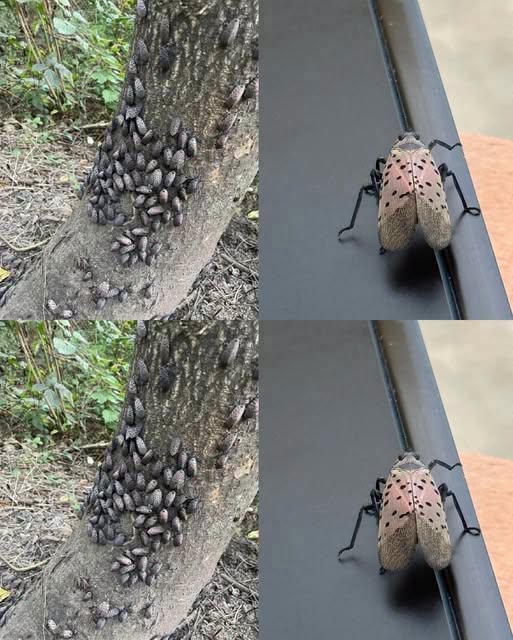
    The first sign of a spotted lanternfly infestation is often easy to overlook. You might notice a sticky substance on outdoor furniture, your vehicle, or nearby plants, followed by dark patches of mold developing on leaves and branches. While these signs can be frustrating, they are caused by an invasive insect that feeds on plant sap and leaves behind a sugary residue known as honeydew. Over time, this can encourage the growth of sooty mold, reducing a plant’s ability to absorb sunlight and affecting its overall health. Recognizing the problem early gives homeowners the best opportunity to protect their landscapes.

    Learning to identify the spotted lanternfly during each stage of its life cycle is an important first step. Young nymphs are small, black, and covered with white spots. As they mature, they develop bright red coloring with black and white markings. Adult lanternflies are about an inch long with gray forewings decorated with black spots. When they spread their wings, bright red hindwings become visible, making the insect easy to recognize. Although adults can jump and glide, they usually move only short distances before landing on another surface.

    These insects feed on a wide variety of trees, vines, and ornamental plants by piercing stems and extracting sap. Heavy feeding can weaken plants, reduce fruit production, and place long-term stress on trees. The honeydew they leave behind attracts other insects and encourages sooty mold growth, creating additional challenges for gardeners and property owners. While healthy plants can often recover, repeated infestations may reduce their overall vigor if left unmanaged.

    Managing spotted lanternflies begins with regular inspection of trees, shrubs, fences, outdoor equipment, and other surfaces. During autumn and winter, adults lay egg masses that resemble patches of dried mud. Carefully scraping these egg masses into a sealed container with rubbing alcohol or hand sanitizer helps prevent new insects from emerging the following season. Removing egg masses before they hatch is one of the simplest and most effective ways to reduce future populations around your property.

    Property owners should also be aware of the Tree of Heaven, an invasive tree species that serves as one of the lanternfly’s preferred host plants. If this tree is growing on your property, consult local experts before removing or managing it, as proper treatment may be necessary. If sticky bands are used to capture young lanternflies climbing tree trunks, they should always be covered with protective mesh or wildlife guards to help prevent birds, squirrels, and other beneficial animals from becoming trapped.

    Because spotted lanternflies are invasive in many parts of the United States, local agriculture and environmental agencies often encourage residents to report new sightings in areas where the insect has not yet become widespread. The insects can spread by laying eggs on vehicles, outdoor furniture, trailers, firewood, and other objects that are moved from one location to another. Checking outdoor equipment before traveling can help reduce the accidental spread of this invasive species into new communities.

    Although discovering spotted lanternflies can be discouraging, early action and consistent monitoring can make a meaningful difference. Regular inspections, safe removal of egg masses, proper care of affected plants, and following recommendations from local agricultural authorities all contribute to protecting gardens, farms, and natural landscapes. With patience and responsible management, homeowners can help limit the impact of this invasive insect while keeping their outdoor spaces healthy and enjoyable for years to come.

  • Is Drooling While Sleeping Normal? Here’s What You Should Know

    Is Drooling While Sleeping Normal? Here’s What You Should Know

    Occasional drooling during sleep is very common and usually harmless. When you enter deep sleep, your muscles relax and swallowing slows down, which allows saliva to collect in the mouth.

    Sleeping on your side or stomach makes this more noticeable because gravity can let saliva escape. In most cases, it is simply a normal part of the body’s relaxed sleep state and not a sign of illness.

    Common causes include simple sleep positions and mouth breathing. When the nose is blocked due to allergies, colds, or sinus issues, people tend to breathe through the mouth, which increases saliva leakage.

    Certain medications or alcohol can also relax muscles further, making drooling more likely. In many situations, adjusting sleep posture or improving nasal airflow can significantly reduce the problem.

    Good hydration, treating congestion early, and sleeping on your back with slight head elevation can also help improve airflow and reduce nighttime drooling. Other contributing factors may include acid reflux or oral health problems.

    Reflux can trigger extra saliva production as the body tries to protect the throat from stomach acid, especially at night. Gum irritation, infections, or dental issues can also increase saliva levels temporarily.

    Treating the underlying condition often helps reduce drooling over time.

    Maintaining good oral hygiene and regular dental checkups also supports balanced saliva production and prevents irritation that may worsen symptoms during sleep.

    Occasional drooling is usually harmless, but if it becomes sudden, persistent, or is paired with difficulty swallowing or facial changes, it is important to seek medical advice. Otherwise, it is generally just a normal sleep occurrence that reflects deep relaxation and healthy rest naturally and safely.

  • A Young Woman’s Symptoms Were Dismissed—Now Her Story Is Urging Change

    Ana’s final days were marked by symptoms that many people are taught to dismiss. Cramping, fatigue, and dizziness were treated as routine discomforts, even as they steadily worsened. What seemed familiar on the surface was, in reality, something far more serious. Like many others, she had learned to push through pain.

    The idea that these symptoms were “normal” made it harder to recognize when something was truly wrong. By the time the severity became clear, the situation had already progressed beyond what could be easily treated. Her passing left her  family and community searching for understanding. 

    Visual Art & Design

    Questions remained, along with the difficult realization that earlier attention might have changed the outcome. The loss was not only emotional, but also deeply instructive. In response, her loved ones began sharing her story. Their goal is to raise awareness about symptoms that should never be ignored. They emphasize that ongoing or severe discomfort deserves attention, not dismissal.

    They are encouraging people to listen carefully to their bodies. Sudden changes, intense pain, or unusual patterns are signals that something may need medical evaluation. Acting early can make a meaningful difference.

    This message also extends to how concerns are received. When someone expresses that something feels wrong, it is important that they are taken seriously. Supportive listening can lead to quicker action and better outcomes.

    \

    Ana’s story is helping to shift perspectives. It highlights the importance of education and awareness around health issues that are sometimes minimized. Greater understanding can lead to more timely care.

    Her legacy is one of awareness and advocacy. By sharing what happened, her family hopes others will feel empowered to seek help when needed. It is a reminder that paying attention to warning signs can help protect health and well-being.

  • The Growing Trend of Restaurant Closures Among Big Food Chains

    A wave of restaurant closures is sending a clear signal across the food service industry: even well-established brands are under pressure. What once seemed like isolated incidents has become a broader trend of consolidation and restructuring.

    Rising operating costs, shifting consumer habits, and intense competition are forcing many chains to rethink how they operate in today’s challenging economic climate.

    Experts point to several factors behind this shift. Prices for ingredients and labor continue to rise, while fees from third-party delivery platforms cut into already thin margins.

    Many customers are dining out less, opting for home-cooked meals or cheaper alternatives. These trends place franchise owners in a difficult position, requiring careful cost control without compromising food quality or service.

    The effects go beyond finances. Employees face sudden job uncertainty when locations close, and communities lose familiar gathering spots and employers.

    For franchise-driven models, closures highlight the need for long-term planning and clear communication. Thoughtful strategies can help ease the impact on workers and neighborhoods while allowing companies to adapt responsibly.

    One chain currently navigating these challenges is Papa John’s, which has confirmed multiple store closures to adjust to market conditions.

    While focusing on strengthening core operations, analysts note that its situation reflects pressures facing fast-food chains nationwide. How major brands respond—through streamlined locations, updated menus, or new service models—will shape the future of dining in a rapidly evolving marketplace.

    This trend shows that success in the restaurant industry now depends on adaptability, strategic planning, and attention to both customers and communities. Brands that adjust effectively are more likely to thrive in the years ahead.

  • The Sprouse Twins at 30: What Dylan and Cole Are Doing Now

    The Sprouse twins, now 30, have moved far beyond their Disney Channel beginnings. Born on August 4, 1992, the identical brothers became household names as Zack and Cody Martin on The Suite Life of Zack & Cody and its sequel, The Suite Life on Deck.

    Fans loved their comedic timing and sibling chemistry, but both have since pursued paths well beyond childhood fame, exploring creative and professional avenues on their own terms.

    Discover more

    Family bonding activities

    Estate planning services

    Group tour packages

    After Disney, they stepped back from acting to focus on education at New York University. One studied video game design, the other humanities and archaeology, reflecting a desire for intellectual and creative growth.

    During this time, they discovered passions that later shaped their professional and personal lives, allowing them to explore interests outside of Hollywood’s spotlight.

    Recently, the twins returned to the spotlight with diverse projects. One starred in films across genres, from romance to action, while co-founding a successful small business.

    The other gained acclaim for a breakout TV role, transitioning into independent and mainstream films, while building a photography portfolio and contributing to editorial projects.

    Off-screen, Dylan and Cole Sprouse have fulfilling personal lives. Dylan married model Barbara Palvin in 2023, and Cole has been with Ari Fournier since 2021.

    Both continue to balance  family, careers, and creative passions. While fans hope for a Suite Life reunion, the twins emphasize that any future project would need to be meaningful and creatively rewarding, proving that life after child stardom can flourish through reinvention, purpose, and personal growth.

    Family photo albums

  • Morning Water: Why It Boosts Your Health

    Water is essential for life, making up about 60% of the human body. It helps carry nutrients, regulate temperature, and keep joints working smoothly. Many people say drinking water first thing in the morning boosts health, detoxes the body, or speeds up metabolism.

    But is that true? Drinking water in the morning can help you start the day hydrated, but research shows there’s no special benefit tied to the timing.

    The body removes toxins naturally through the kidneys and liver, so water doesn’t flush them out more effectively in the morning.

    Some studies suggest drinking water before meals may help with weight management by making you feel fuller.

    Still, the timing isn’t critical, and drinking too close to meals might bother digestion for some people. Trends like Japanese Water Therapy encourage several glasses of room-temperature water upon waking.

    While it can help people remember to drink water, its health claims are mostly unproven. Extreme routines may even carry risks, such as water overload or unexpected hunger from strict rules.

    The key is staying hydrated throughout the day. Water needs differ by age, activity, and climate. The common “8×8” rule — eight 8-ounce glasses — is a rough guide, but personal needs matter most.

    Drinking water in the morning is fine, but the most important thing is consistent hydration every day. That’s what truly supports energy, focus, and overall health.