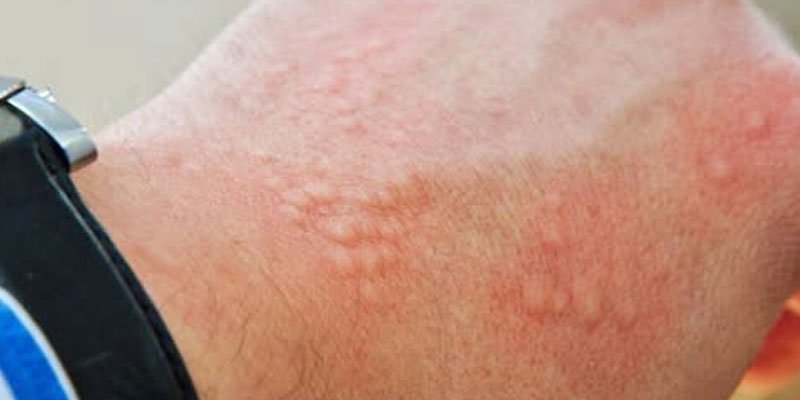
Most rashes and itching are harmless and may be caused by heat, stress, allergies, or skin irritation. However, hives—itchy, raised welts that can appear suddenly—should be watched carefully, especially when they spread quickly or appear with other symptoms…. Continue Reading
Seek emergency help immediately if hives come with trouble breathing, throat tightness, swelling of the lips or tongue, dizziness, fainting, or severe weakness. These can be signs of anaphylaxis, a serious allergic reaction that can worsen within minutes.
Possible triggers include foods, medications, insect stings, latex, or other allergens. A mild reaction in the past does not guarantee that a future reaction will stay mild, so people with known severe allergies should follow their doctor’s plan and keep prescribed emergency medicine available.
Most skin reactions do not become emergencies, but paying attention to fast-changing symptoms matters. When breathing problems, rapid swelling, or faintness occur, call emergency services rather than waiting to see if the reaction improves.
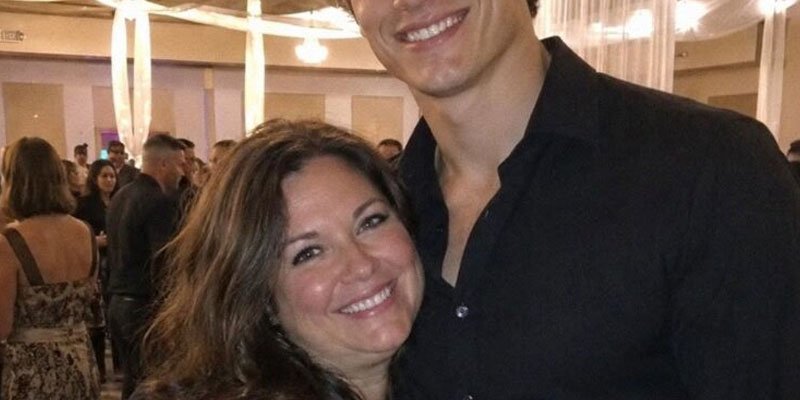
What should have been a joyful homecoming quickly turned into something frightening and deeply painful. In a single moment, the couple’s hopes for a peaceful new beginning were shattered, and the child they had welcomed into their home became the center of a situation they did not know how to ha…Continue Reading
In the days that followed, their home no longer felt comforting. The nursery, the toys, and all the plans they had made became painful reminders of how quickly everything had changed. Friends struggled to know what to say, and the couple found themselves replaying every detail, wondering if they had missed signs they should have seen.
Over time, they began to understand that what happened was not simply about love or effort. They had stepped into a much deeper reality shaped by trauma, pain, and emotional wounds that already existed long before the child entered their home.
With support from therapists and a few loyal people around them, they slowly started to see the truth more clearly. Their story was not the easy, happy beginning they imagined, but it became something else: a difficult lesson that some families are built through uncertainty, and healing is something that has to be chosen again and again.
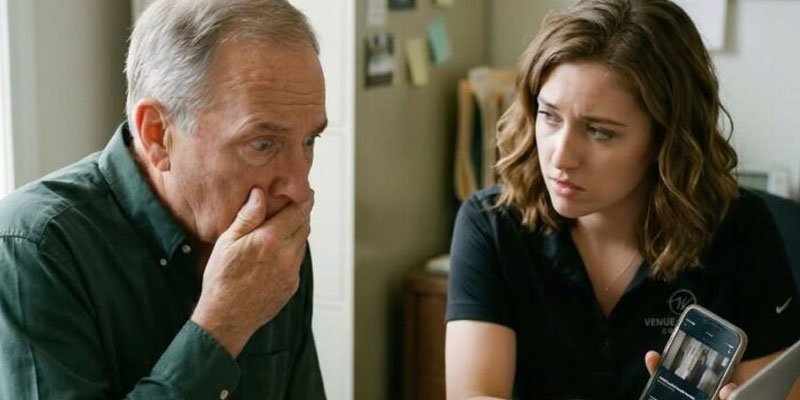
Leftover chicken can be a quick and convenient meal, but it needs to be stored safely. Cooked chicken should be refrigerated within two hours after serving, or within one hour if the temperature is above 90°F (32°C)…. Continue Reading
Place leftovers in shallow, covered containers so they cool quickly, and keep the refrigerator at 40°F (4°C) or below. Properly stored cooked chicken is generally safe to eat for three to four days.
When reheating chicken, make sure it is hot all the way through and reaches 165°F (74°C). Frozen leftovers should be thawed safely in the refrigerator, cold water, or microwave—not left on the counter.
If chicken has been left out too long, it is safer to throw it away even if it looks and smells normal. Simple storage and reheating habits can help prevent foodborne illness while reducing unnecessary food waste.
For many years, the public followed the lives of one of Hollywood’s most famous families through movie premieres, interviews, and media coverage. From the outside, everything appeared polished and successful.
Yet, like many families, their personal experiences were often far more complex than what could be seen in photographs or public appearances. Recent reflections have sparked conversations about the challenges that can exist behind even the most admired public images.
At the center of these discussions is the reality that fame does not eliminate everyday human struggles. Public figures often face the same relationship challenges, misunderstandings, and emotional hurdles as anyone else.
While audiences may know celebrities through the characters they portray on screen, family members experience a very different side of their lives. This contrast can sometimes create a gap between public perception and personal reality.
Celebrities & Entertainment News
Part of the conversation has focused on a neurological condition known as prosopagnosia, commonly referred to as face blindness. People who live with this condition may have difficulty recognizing faces, even those of individuals they know well.
Although it is often discussed from a medical perspective, the condition can also influence social interactions and personal relationships. Challenges in recognizing facial expressions or identifying people can sometimes lead to misunderstandings, even when there is no intention to create distance.
The broader message emerging from these reflections is the importance of communication and understanding within families. Relationships are shaped not only by actions but also by how people feel seen, heard, and valued.
When communication becomes difficult, family members may experience feelings of disconnection despite caring deeply for one another. These experiences are not unique to celebrity families and can resonate with people from all walks of life.
Communications & Media Studies
Ultimately, the discussion serves as a reminder that every family faces its own set of challenges. Public success, wealth, or recognition cannot guarantee perfect relationships.
What matters most is the willingness to listen, learn, and grow through difficult moments. By sharing personal perspectives, families can encourage greater empathy and understanding while reminding us all of the value of genuine human connection.
The sudden loss of a community member has left family, friends, and neighbors in deep sorrow as they try to process the heartbreaking news. Those who knew him describe a kind and dependable person whose presence touched many lives in quiet but meaningful ways. Loved ones gathered to share memories, recalling his generosity, sense of humor, and willingness to help others whenever he could.
Many said he had a calm and caring nature that made people feel comfortable and supported during difficult times. Authorities confirmed that an investigation is underway following the discovery. Officials have not released full details about the circumstances, explaining that they are carefully reviewing evidence and speaking with witnesses before drawing conclusions.
Investigators continue examining timelines, surveillance footage, and other available information in an effort to better understand the events leading up to the tragedy. Law enforcement representatives emphasized that the process may take time as they work to ensure accuracy.
As the investigation continues, community members remain focused on supporting the grieving family. Messages of sympathy and encouragement have been shared across social media, while friends and neighbors have offered assistance in practical and emotional ways. Many people expressed shock at the news, saying the loss feels especially difficult because it came without warning. For those closest to him, the sudden change has created a sense of sadness that words cannot easily describe.
Family members have requested privacy as they navigate this painful period together. They also thanked everyone who has reached out with kind messages, prayers, and acts of support during such a challenging time. Community leaders encouraged people to avoid speculation while the investigation remains active.
They reminded the public that verified information should come directly from official sources rather than rumors shared online. In moments like these, many people find comfort in coming together to remember the positive impact someone had on others. Stories shared by friends and relatives continue to highlight the compassion and care that defined his everyday life.
While questions remain unanswered, the focus for many is on honoring his memory and supporting those affected by the loss. As authorities continue their work, family and friends hope for clarity, healing, and the strength to move forward together in the days ahead.
That afternoon, I erased the words Unreliable Narrator from the whiteboard while my last literature students gathered their bags and drifted out of the lecture hall.
“Don’t forget,” I called after them, “the person telling the story isn’t always the person telling the truth.”
A few students laughed, and for one brief moment, I felt calm. I felt steady. I felt like the woman I had worked so hard to become…. Continue Reading
My stomach tightened before I even opened the message.
“Come to our reunion. All our friends will be there, and even your ex, Mark, now my fiancé. We’re really looking forward to seeing you. XOXO, Miriam.”
Just like that, I was seventeen again.
I sat down hard in the empty classroom and read the message three times.
The words stayed the same.
Miriam had been my bully in high school. She mocked my thrift-store sweaters, my library books, my quiet answers, and the way I tried too hard to disappear.
She called me “Miss Perfect” until people stopped using my real name.
Years later, she found my ex-husband, Mark, and handed him a new version of me.
Cold.
Judgmental.
Difficult.
Impossible to love.
And Mark believed her.
By the time I realized what was happening, my marriage already had Miriam’s voice living inside it.
For two weeks, I stared at that reunion invitation every night.
My friend Claire found me in my office one afternoon, sitting in front of the same message.
After reading it, she said, “Delete it.”
“I can’t.”
“Yes, you can. You’re not going.”
“If I don’t go, Miriam will tell everyone I was too scared to show my face.”
“So let her talk.”
I looked up at Claire.
“That’s the problem. I always did.”
Her expression softened.
“Then don’t go alone.”
That night, I opened my laptop and did something I never imagined I would do.
I hired an actor to be my plus-one.
Not a boyfriend.
Not an escort.
An actor, through a legitimate agency, for one social event.
I didn’t need romance.
I needed one person beside me who hadn’t already been handed Miriam’s version of who I was.
His name was Norton.
We met two days before the reunion in a small coffee shop near campus.
He walked in wearing a gray blazer, looking so polished and handsome that I briefly considered escaping through the back door.
“You’re Daphne?” he asked.
“Unfortunately.”
His mouth curved slightly.
“That bad?”
“I’m hiring a stranger to help me survive a high school reunion,” I said. “What do you think?”
“Fair.”
He sat across from me and opened a small notebook.
“Your booking notes were clear. No fake romance. No kissing. No jealousy performance.”
“I’m an English lecturer,” I said. “I hate cheap fiction.”
He laughed, and something in me relaxed.
“So what exactly is my role?”
“A steady witness.”
His face became serious.
I looked down at my coffee.
“Miriam bullied me for years. Then she helped destroy my marriage by telling my ex-husband the same kind of lies. Now she’s invited me to watch her stand beside him.”
Norton didn’t give me pity.
He gave me attention.
“That’s cruel.”
“She’s very good at cruel.”
“Do you want me to pretend we’re together?”
“No,” I said. “I don’t want to lie more than necessary. I just want one night where I don’t feel like I’m apologizing for existing.”
Norton nodded.
“Then when she looks at you like she won, look back.”
My eyes burned.
“You make that sound easy.”
“I didn’t say easy,” he replied. “I said possible.”
He signed the contract.
“Steady witness,” he said. “No grand romance. No lies we can’t walk back from. We have a deal, Daphne.”
On Friday night, I changed dresses three times before choosing a navy one that made me feel visible without feeling exposed.
When Norton knocked at seven, I opened the door before courage could leave me.
In the car, he glanced at my trembling hands.
“Want to rehearse?”
“No. If I rehearse, I’ll sound rehearsed. I was terrible at drama.”
At the high school, music spilled from the gym doors. The reunion banner hung above the entrance like a dare.
My hand tightened around my purse.
“I can’t do this.”
Norton turned off the engine.
“You can,” he said. “But you don’t have to pretend it’s easy.”
I looked at the bright doors.
“She wants me to walk in small.”
“Then don’t.”
So I got out.
Norton offered his arm.
I took it.
The second we stepped inside, people turned.
A few whispered.
For one terrible second, the seventeen-year-old girl inside me searched for the nearest exit.
Then Miriam appeared.
She moved through the crowd like she owned the air. Mark followed half a step behind her, older than I remembered and far less certain than I expected.
“Daphne,” Miriam said, spreading her arms. “You actually came.”
“I did.”
Her eyes slid to Norton.
“Well. You brought someone.”
“This is Norton.”
He held out his hand.
“Nice to meet you.”
Miriam ignored his hand and looked him up and down.
“Someone’s doing charity work.”
My face burned.
Before I could answer, Norton tilted his head.
“Jealousy is a sin, ma’am.”
A few people nearby laughed.
Miriam’s smile twitched.
Mark cleared his throat.
“You look well, Daphne.”
“Thank you, Mark.”
He glanced at Miriam.
“I’m glad you came.”
I wanted to ask if he had ever wondered whether Miriam had lied.
Instead, I said, “It’s good to see familiar faces.”
Miriam laughed softly.
“Oh, Daphne. Still so careful.”
There it was.
The tiny needle.
Careful Daphne.
Cold Daphne.
Difficult Daphne.
But this time, I didn’t shrink.
“Norton and I are going to look at the yearbook table,” I said.
Then I walked away before she could respond.
At the yearbook table, our senior album lay open to the drama club page. Miriam smiled proudly from center stage.
I stood in one corner of the photo, holding programs.
Norton leaned closer.
“You were in theater?”
“No. I wrote the program notes. Miriam said I had the face for backstage.”
A woman standing nearby turned.
“Daphne? I remember those notes. They were funny.”
For the first time that night, my smile came easily.
Norton murmured, “See? Not everyone remembers her version.”
For almost an hour, I moved through the room instead of hiding from it.
I spoke to old classmates.
I laughed.
I remembered that not every memory in that building belonged to Miriam.
Then she tapped a champagne glass.
“Everyone?” Miriam called from the stage. “Can I have your attention?”
My smile faded.
Norton leaned toward me.
“Stay with me.”
Miriam lifted the microphone.
“It’s wonderful seeing so many familiar faces tonight. Old friends, old memories, old stories.”
Mark stepped toward her.
“Miriam. Don’t.”
She smiled wider.
“And speaking of stories, let’s clear one up.”
My fingers tightened around my glass.
“Before everyone starts admiring Daphne’s handsome plus-one, you should know he isn’t her boyfriend. He isn’t even really her date.”
The room shifted.
People turned.
Miriam raised her glass.
“She paid him.”
A gasp moved through the gym.
Someone whispered, “Oh my God.”
Miriam laughed.
“She hired an actor because nobody would actually choose her.”
Phones lifted.
I looked at Mark.
He stared at the floor.
“Say something,” I whispered, even though I knew he couldn’t hear me.
He didn’t.
For a second, I wanted to run.
Then Norton touched my elbow.
“Your choice,” he said softly.
My throat burned.
“I can’t stand there while they laugh.”
“Then don’t stand there,” he said. “Walk.”
I looked at Miriam under the gym lights, glowing like she had already won.
No.
Not this time.
I set my glass down.
“I didn’t come here to run.”
Norton nodded once.
Then he stepped onto the stage and took the second microphone.
“Miriam is right about one thing,” he said. “I am an actor. Daphne hired me through a professional agency as her plus-one. Not as a boyfriend. Not as anything shameful. As support.”
Miriam rolled her eyes.
“Support. How sweet.”
Norton looked directly at her.
“You already knew what I was, Miriam.”
Her smile faltered.
“I don’t know you.”
“Yes, you do.”
He paused.
“Think.”
“Norton,” she warned.
That was the first time she used his name.
Mark looked between them.
“Wait. You know him?”
Norton nodded.
“We were signed with the same talent agency once.”
Miriam stepped forward.
“Don’t.”
“You were dropped,” Norton said, “after making complaints every time someone else got a callback.”
“That’s a lie!”
“No,” Norton said. “It’s a pattern. You insult people, report them for reacting, then cry first.”
A low murmur moved through the crowd.
Mark stared at Miriam.
“Is that true?”
“You’re seriously asking me that?” she snapped.
Norton turned toward me and held out the microphone.
“Daphne should answer the rest.”
Miriam laughed.
“She won’t say anything. She never does.”
I walked up the steps and took the microphone.
My hand shook.
My voice didn’t.
“I teach literature,” I said. “This week, I taught my students about unreliable narrators.”
Miriam scoffed.
“Oh, please.”
“An unreliable narrator hides the truth,” I continued. “Sometimes by lying. Sometimes by leaving things out. Sometimes by smiling while handing everyone a twisted version of someone else.”
The gym went quiet.
“In high school, Miriam told people I thought I was better than them because I liked books. She said I was cold because I was shy. She said I was stuck-up because I didn’t know how to fight back.”
Miriam folded her arms.
“You were stuck-up.”
“No,” I said. “I was scared.”
For once, she had no quick answer.
So I kept going.
“Then Mark married me. And Miriam handed him a new story. She told him I was judgmental, cold, and impossible to love.”
Mark looked up.
“Daphne. Not here.”
“Yes, Mark. Here.”
His jaw tightened.
“This isn’t fair.”
I almost laughed.
“You mean public? Because unfair was coming home to a husband who had already put me on trial. She lied because that’s what she does. But you believed her because it was easier than asking me for the truth.”
He flinched.
Miriam stepped forward.
“Don’t blame me because your marriage failed.”
I turned to her.
“I blamed myself for years. You don’t get that gift anymore.”
Her face hardened.
“For years, I thought Miriam stole you,” I told Mark. “Tonight, I finally understand something. She only opened the door. You walked through it.”
Miriam’s eyes filled with angry tears.
“You’re all listening to this?” she cried. “She paid a man to stand beside her!”
“Yes,” I said. “I did.”
I looked around the room.
“I hired Norton because I was afraid to walk into this room alone. Not because I needed a man to make me valuable, but because I needed one person beside me who hadn’t already been told I was worthless.”
I turned back to Miriam.
“And I had no idea he knew who you were.”
A woman near the photo booth stood up slowly.
“She did it to me too,” she said. “You told everyone I cheated on my scholarship essay. I didn’t.”
A man near the punch table added, “You told people I only got my job because my uncle knew someone.”
Mark stared at Miriam.
“How much of what you told me about Daphne was true?”
Miriam grabbed his sleeve.
“You’re choosing her now?”
I lifted the microphone.
“No. He doesn’t get to choose me now.”
Beth, the reunion chair, stepped onto the stage and picked up the printed program.
“Miriam,” she said, “you’re not giving the closing toast.”
Miriam froze.
“You can’t do that.”
Beth looked at her calmly.
“I just did.”
Then she turned to me.
“Daphne, would you be willing?”
I looked at Norton in the crowd.
He wasn’t leading me.
He wasn’t saving me.
He was simply giving me room.
“Yes,” I said. “I would.”
I stood at the microphone and looked at the room that had once made me feel small.
Then I raised my glass of untouched punch.
“To everyone who spent years believing someone else’s version of themselves,” I said, “may you finally hand the pen back to the person who lived the story.”
For one second, no one moved.
Then Beth started clapping.
Someone else joined.
Then another.
Soon, applause filled the gym.
Miriam grabbed her purse.
“Mark,” she snapped. “We’re leaving.”
He didn’t move.
She stopped at the door and looked back at him.
“Are you coming or not?”
Mark looked down at her hand gripping his sleeve.
Then he gently removed it.
“No,” he said quietly.
Miriam’s face twisted, but no one followed her when she left.
A few minutes later, I walked outside.
I had almost reached the parking lot when Mark called my name.
“Daphne, wait.”
I stopped.
But I didn’t turn around immediately.
That was new for me.
Before, I would have turned quickly.
Eagerly.
Gratefully.
This time, I took my time.
When I finally faced him, he stood a few feet away with his hands in his pockets.
“I’m sorry,” he said. “I was wrong.”
“Yes,” I replied. “You were.”
His throat worked.
“I forgot who you were.”
“No, Mark. You let someone else tell you.”
His eyes shone.
“Can we talk? Five minutes?”
“For years, I begged for five honest minutes from you.”
“I know.”
“No,” I said. “You don’t. Because if you did, you would’ve given them to me before I had to defend myself in front of strangers.”
He looked down.
“Is there any chance?”
“For what?”
“For us.”
I almost smiled.
“There hasn’t been an us for a long time. There was you, me, and Miriam’s voice between us.”
Behind him, Norton stepped outside with his keys.
He stopped when he saw us.
“Everything okay?”
I looked at Norton.
Then at Mark.
Then back at the gym doors.
“Yes,” I said. “I’m ready to go.”
Mark stepped closer.
“Daphne, please.”
“No,” I said. “You don’t get my time now just because the room finally stopped believing her.”
Norton unlocked the car but didn’t open the door for me.
I opened it myself.
Before getting in, I turned to Mark one last time.
“You should have asked me for the truth when it still mattered.”
Then I got into the car.
As Norton pulled out of the parking lot, I looked back at the school.
For twenty years, I thought that room belonged to Miriam.
It hadn’t.
It had only been waiting for me to stop letting her hold the microphone.
I hired someone to stand beside me for one night.
But I left with the woman I should have stood beside all along.
Three weeks after my son’s wedding, I received a phone call that changed everything I believed about my family.
The woman on the other end sounded frightened.
“Mr. Carter,” she whispered, “I need you to come see me. Alone. Please don’t tell your children.”
Her voice carried the kind of fear that instantly made my stomach tighten…. Continue Reading
Advertisements
“My name is Claire Benson. I coordinated Ethan’s wedding.”
“What happened?”
“I can’t explain over the phone,” she said quietly. “I recorded something… something terrible.”
At first, I assumed it was a financial problem.
Maybe a vendor had submitted the wrong invoice.
Maybe there had been a dispute over payments.
My son, Ethan, had married Vanessa at a beautiful vineyard outside Napa, and I had paid for almost everything. Ethan told me he wanted one perfect day before real life began, and I wanted to give him that.
After all, I was a widower.
My children were the only family I had left.
The following morning, I drove alone to the vineyard.
Claire met me inside her office.
Her eyes were swollen from crying.
The moment I entered, she locked the door.
“I didn’t know whether to call you or the police first,” she admitted.
My chest tightened.
“What is this about?”
Without answering, she opened her laptop.
“After the reception ended, I was cleaning near the bridal suite,” she explained. “My phone was recording voice notes about vendor schedules because we’d been arguing over timing.”
She swallowed hard.
“I forgot it was still recording.”
“So?”
She looked directly at me.
“It accidentally recorded your children.”
“My children?”
She nodded slowly.
“Ethan.”
“Marissa.”
“And Vanessa.”
I almost laughed from pure nervousness.
“They probably said something embarrassing. Weddings are emotional.”
Claire didn’t smile.
She pressed play.
For several seconds there was only muffled music.
Then my daughter’s voice became perfectly clear.
“Dad looked so pathetic during the father-daughter speech. He really thinks Ethan loves him.”
My heart stopped.
Then Ethan laughed.
Vanessa spoke next.
“Just keep him emotional until he signs the lake house transfer.”
She laughed softly.
“After that, we can stop pretending.”
Marissa answered immediately.
“He’ll sign.”
“He’s lonely.”
“Just mention Mom.”
“He’ll do anything.”
I gripped the chair so hard my fingers hurt.
Then my son’s voice came through again.
“Once the house and bank accounts are moved, we can put him somewhere managed.”
“He won’t fight us.”
“He still thinks we’re his family.”
Claire reached toward the keyboard.
“I can stop it.”
I raised my hand.
“No.”
The recording continued.
After a short silence, Vanessa laughed.
“He paid for the entire wedding and still doesn’t know he wasn’t invited into the future.”
The room became perfectly still.
Claire closed the laptop.
“I’m so sorry.”
I stood slowly.
My legs barely worked.
Then I looked at her.
“Don’t apologize.”
She stared at me.
“You just saved my life.”
I walked to my car carrying the recording on a flash drive.
For almost ten minutes I sat behind the steering wheel unable to start the engine.
I wasn’t angry.
Not yet.
I was devastated.
Ethan was my little boy.
I’d taught him to ride a bicycle.
Stayed awake all night after he broke his arm in fifth grade.
Paid off his student loans when his first business collapsed because he promised he only needed one more chance.
Marissa had held my hand at her mother’s funeral.
She promised we’d always take care of each other.
I’d bought her first car.
Paid for her divorce attorney.
Watched her children whenever she needed a break.
Now they were discussing me like a business problem.
Not a father.
Not a husband.
Not even a person.
Just an obstacle standing between them and my property.
Instead of driving home, I headed straight for Sacramento.
My attorney, David Walsh, had been my friend for nearly thirty years.
The moment he saw my face, he closed his office door.
“What happened?”
Without saying a word, I handed him the flash drive.
He listened once.
Then he listened again while making notes.
When the recording ended, he removed his glasses.
“Were you planning to transfer your lake house soon?”
I nodded.
“Next week.”
“To Ethan?”
“To Ethan and Marissa equally.”
“They said it would simplify probate.”
David slowly leaned back.
“That’s not the estate plan I prepared.”
“I know.”
He frowned.
“Who gave you the paperwork?”
“Ethan.”
David immediately unlocked a file cabinet and removed my original estate documents.
“Show me everything.”
I handed him the envelope Ethan had brought me before the wedding.
At the time, I barely looked through it.
Ethan assured me it was routine.
Marissa insisted David’s paperwork was outdated.
Vanessa said families shouldn’t make everything so legal.
David read the first page.
Then another.
Then another.
Finally he looked up.
“This isn’t a simple transfer.”
“What do you mean?”
He turned the papers toward me.
“They were transferring the lake house into a limited liability company controlled entirely by Ethan.”
My pulse quickened.
He pointed farther down.
“And here…”
“This section gives Marissa authority over your financial accounts if two relatives declare you’re unable to manage your own affairs.”
I stared at him.
“They could actually do that?”
“They could certainly try.”
The room suddenly felt colder.
The lake house hadn’t originally belonged to me.
It had belonged to Anne.
My wife.
She inherited it before we married and left it to me after she passed away because she trusted me to protect it for future generations.
I had nearly handed it away myself.
David picked up his phone.
“We’re acting immediately.”
He contacted my bank.
Canceled every pending transfer.
Revoked all authorizations.
Updated my medical directives.
Removed Ethan and Marissa as emergency contacts.
Those words hurt more than I expected.
Remove your children.
I closed my eyes.
Then Ethan’s voice echoed through my memory.
“He still thinks we’re his family.”
I looked at David.
“Do it.”
By sunset, every door they intended to walk through had been locked.
The next morning my phone rang.
8:03 a.m.
Ethan.
I watched it ring until it stopped.
Minutes later came Marissa.
Then Vanessa.
Then Ethan again.
At 9:10, they arrived together.
Through my front window I saw Ethan wearing a gray blazer.
Vanessa carried an expensive designer handbag.
Marissa wore sunglasses despite the cloudy morning.
None of them looked worried.
They looked irritated.
I opened the front door but left the security door locked.
Ethan forced a smile.
“Dad… why is the bank saying my access was removed?”
Marissa stepped forward.
“And why did your attorney contact me about your medical directive?”
I looked at all three of them.
For just one second…
I saw two children running through the yard.
Ethan with missing front teeth.
Marissa hugging her stuffed rabbit.
Anne laughing from the porch of the lake house.
Then I remembered the recording.
I unlocked my phone.
Pressed play.
Their own voices filled the porch.
“Dad looked so pathetic…”
“Keep him emotional…”
“Mention Mom…”
“He still thinks we’re his family…”
Silence.
Vanessa reacted first.
Marissa turned pale.
Ethan whispered,
“Where did you get that?”
I laughed.
There wasn’t a trace of humor in it.
“That’s your first question?”
He stepped closer.
“Dad…”
“You don’t understand.”
“We were joking.”
“No.”
“You were planning.”
Marissa immediately burst into tears.
“I didn’t mean it.”
“You did.”
“You meant every word because you believed I’d never hear it.”
Vanessa folded her arms.
“That recording should never have existed.”
“It was private.”
I looked at her calmly.
“No.”
“It was accidental.”
“You exposed yourselves.”
Ethan reached for the door.
“Dad, let us inside.”
“We’ll explain.”
“No.”
The single word surprised all of us.
Perhaps because I’d never spoken it to my children before.
“I’ve canceled every transfer.”
“The lake house stays protected.”
“My accounts are secured.”
“My attorney has copies of your paperwork and the recording.”
“If any of you attempt to pressure me…”
“…forge documents…”
“…or contact another notary…”
“…he’ll respond immediately.”
Marissa covered her mouth.
Ethan’s face lost all color.
Vanessa finally dropped the kind act.
“You’re destroying your family over one conversation?”
I looked directly into her eyes.
“No.”
“That conversation showed me my family had already been destroyed.”
They stood there another minute before finally walking away.
Not one of them apologized.
Not one.
In the weeks that followed, David handled everything.
Claire gave a formal statement about the accidental recording.
The notary whose name appeared on Ethan’s paperwork denied preparing part of the documents, creating even more serious legal questions.
David advised me not to ask too many questions while everything unfolded.
So I didn’t.
I changed every lock on my house.
Updated my will.
Protected every account.
I also wrote Claire a personal letter thanking her for doing the difficult but honest thing.
Two months later, I returned alone to the lake house.
I opened every window.
Swept the porch.
Then carried my coffee down to the dock where Anne and I had spent countless mornings watching the sunrise together.
For the first time since losing her…
The silence didn’t feel lonely.
It felt peaceful.
My children had looked at me and seen nothing more than a signature.
A bank account.
A house.
Something to control.
But they had been wrong.
I wasn’t helpless.
I wasn’t disposable.
And I certainly wasn’t the lonely old man they thought they could manipulate.
I was finally awake.
And because of one accidental recording, I still had my home, my dignity, and the chance to protect the life Anne and I had built together.
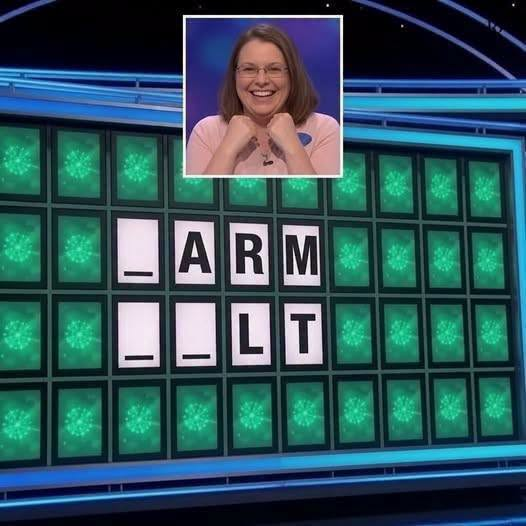
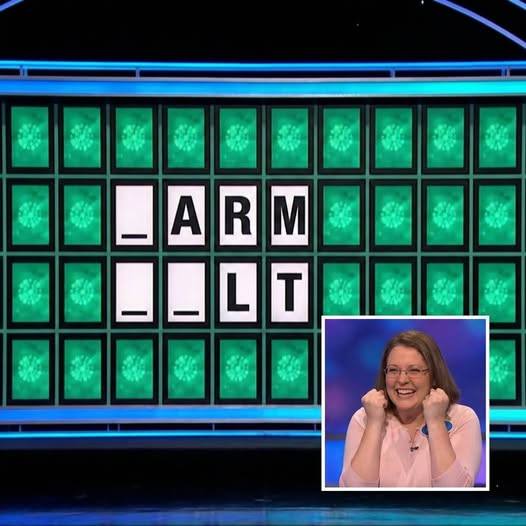
On an episode of Wheel of Fortune, contestant Delinda Rood turned a routine appearance into a standout television moment. Representing Rosemount, she competed against contestants from Palo Alto and Chattanooga. The early rounds were steady but unremarkable, with a few missed opportunities and cautious guesses from all three players.
Rood described herself as an ambivert, and that balance showed in her gameplay. She remained calm, observant, and strategic, waiting for the right moments to press forward.
After securing a key toss-up puzzle, her confidence grew noticeably. From that point, she avoided unnecessary risks, solved efficiently, and maintained strong control of the board. Her consistent performance earned her a place in the Bonus Round.
The episode reached its peak during that final challenge. As the puzzle board filled, she reacted almost instantly, delivering the correct answer with remarkable speed and precision. The quick solve surprised viewers and even prompted a visible reaction from host Ryan Seacrest. The studio audience responded enthusiastically as the prize total was revealed. By the end of the game, Rood had accumulated $65,650 in winnings.
Beyond the amount, it was her composure and rapid Bonus Round victory that captured attention. The moment quickly circulated online, with fans praising her focus, timing, and ability to perform under pressure.
Many viewers noted how rare it is to see such a swift and confident solve, especially in a high-stakes final round. Her performance served as a reminder that preparation, awareness, and calm decision-making can transform a simple game into an unforgettable highlight.
Keeping clothes looking their best often comes down to how they are washed and cared for. While modern washing machines make laundry more convenient, certain habits can contribute to unnecessary wear on fabrics over time. Understanding a few simple laundry techniques can help extend the life of your favorite garments and keep them looking fresh for longer.
One of the most common laundry mistakes is overloading the washing machine. When too many items are packed into the drum, clothes have less room to move freely during the wash cycle. This can increase friction between garments, leading to fading, stretching, and faster fabric wear. Washing moderate-sized loads allows water and detergent to circulate more effectively while helping protect clothing fibers.
Some people use household items, such as empty plastic bottles, as separators inside the washing machine. The idea is that these items may help reduce tangling by creating more space between garments during the wash cycle. If someone chooses to try this method, the bottles should be clean, empty, and securely capped. However, it is always wise to follow the washing machine manufacturer’s recommendations for the safest operation.
Another important step in garment care is sorting laundry properly. Separating clothes by color and fabric type can help prevent color transfer and reduce damage caused by heavier materials rubbing against delicate fabrics. Checking pockets before washing is also essential, as coins, keys, and other objects can damage both clothing and the washing machine itself.
For heavily soiled garments, pre-soaking can be a helpful option. Allowing clothes to soak in water and detergent before the main wash cycle gives cleaning agents additional time to loosen dirt and stains. This simple step may improve cleaning results while reducing the need for more aggressive washing settings.
Many people also use white vinegar as a laundry aid. When used appropriately, vinegar can help remove detergent residue, reduce odors, and soften fabrics naturally. Adding a small amount during the wash or rinse cycle may leave clothes feeling fresher, especially in areas with hard water. As with any laundry product, it is important to follow garment care labels and machine instructions.
Good laundry habits can make a noticeable difference in the appearance and longevity of clothing. By avoiding overloaded loads, sorting items carefully, considering pre-soaking when needed, and using appropriate fabric-care methods, you can help keep your wardrobe in excellent condition. Small changes in your laundry routine today can contribute to cleaner, fresher, and longer-lasting clothes in the future.
For generations, people have searched for clues that reveal who we are beneath the surface. Some believe the eyes reveal our emotions, while others focus on facial expressions, posture, or body language. Yet one of the most overlooked parts of the human body may be quietly telling a fascinating story every single day: our legs.
Not because they reveal mysterious secrets or predict personality traits, but because they provide insight into our anatomy, daily habits, physical activity, and overall well-being.
The legs are among the hardest-working structures in the human body. From the moment we take our first steps as children, they carry us through every stage of life. They support our weight, maintain our balance, absorb shock, generate movement, and allow us to explore the world around us. Every walk through a neighborhood, every climb up a staircase, every workout, and every long day on our feet leaves a subtle mark on how our legs function and develop.
Family Law
Despite their importance, conversations about legs often focus almost entirely on appearance. Popular culture has spent decades promoting narrow beauty standards, encouraging people to compare themselves to unrealistic ideals rather than appreciating the incredible capabilities of their bodies. Yet the truth is far more interesting than any trend or fashion standard could ever be.
The shape, structure, and movement of our legs are influenced by a complex combination of genetics, lifestyle choices, physical activity, posture, and overall health. What we see in the mirror is not simply a reflection of aesthetics; it is the visible result of countless biological and environmental factors working together.
Understanding this reality allows us to shift our perspective. Instead of asking whether our legs meet a particular beauty standard, we can begin asking more meaningful questions. How do our legs support us? What can they tell us about our habits? How can we care for them more effectively? And how do they contribute to our confidence and quality of life?
The answers reveal a remarkable story about the human body and the many ways it adapts to the demands we place upon it.
The Science Behind Leg Structure
Every person is born with a unique skeletal framework. While muscles can grow stronger through exercise and lifestyle changes, the fundamental architecture of the body is largely determined by genetics.
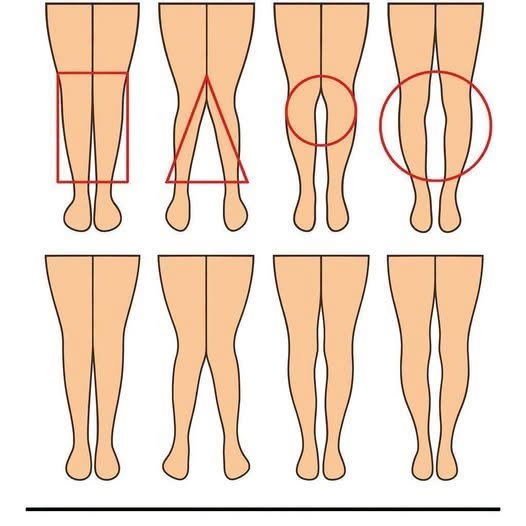
The length of the femur, the width of the pelvis, the alignment of the knees, and the shape of the ankles all contribute to how a person’s legs appear and function. These natural differences explain why no two people have exactly the same stance, gait, or body proportions.
One of the most misunderstood topics related to leg appearance is the natural spacing between the thighs. For years, certain body trends encouraged people to believe that specific leg shapes represented superior fitness or attractiveness. However, anatomical research and medical professionals consistently point out that factors such as pelvic width, bone structure, and alignment play a significant role in determining how a person’s legs naturally rest.
In other words, many aspects of leg shape are simply normal variations of human anatomy.
This diversity is not a flaw. It is evidence of the extraordinary range of healthy body structures that exist among people around the world.
How Daily Habits Shape the Legs
While genetics provide the foundation, lifestyle influences how that foundation develops over time.
The body constantly adapts to repeated activities. This process, known as adaptation, allows muscles, tendons, and joints to respond to the demands placed upon them.
Someone who spends hours walking each day may develop different muscle patterns than someone who works primarily at a desk. A cyclist may experience increased strength in specific muscle groups, while a swimmer develops movement patterns that reflect the unique demands of the water.
Even seemingly small habits can influence how the legs function.
The type of shoes we wear, the surfaces we walk on, the amount of time we spend sitting, and the activities we enjoy all contribute to the way our lower body develops.
Over months and years, these factors create subtle differences in muscle tone, flexibility, balance, and movement efficiency.
Rather than viewing these changes as imperfections, they can be understood as evidence of the body’s incredible ability to adapt and perform.
What Your Walking Style Can Reveal
Human movement is remarkably complex.
Walking appears effortless, yet it requires the coordinated action of muscles, joints, nerves, and sensory systems working together in perfect harmony.
Researchers who study gait analysis use walking patterns to better understand mobility, athletic performance, injury prevention, and rehabilitation. Healthcare professionals often evaluate a person’s gait because it can provide useful information about balance, coordination, flexibility, and physical function.
For example, a confident stride may indicate comfort and stability, while cautious movement could reflect fatigue, discomfort, or unfamiliar surroundings.
However, it is important to remember that body language is influenced by countless factors, including mood, environment, culture, and physical condition. No single movement can accurately define a person’s character or personality.
What walking patterns can reveal is how effectively the body moves and adapts to different situations.
This information can be valuable for improving health, reducing injury risk, and enhancing overall mobility.
The Connection Between Strength and Confidence
Physical confidence and self-confidence often influence one another.
When people feel physically capable, they frequently experience greater comfort in social and professional settings. Strong, stable legs contribute significantly to this sense of capability.
Simple activities such as climbing stairs without difficulty, maintaining balance, carrying groceries, or participating in recreational sports can reinforce feelings of independence and competence.
Strength training, walking programs, yoga, cycling, and other forms of exercise can all improve lower-body function. Beyond physical benefits, these activities often provide psychological advantages as well.
Regular movement has been associated with improved mood, reduced stress, and greater overall well-being.
As a result, caring for the legs becomes about far more than appearance. It becomes an investment in health, mobility, and quality of life.
Fashion as a Form of Self-Expression
Clothing has long served as a powerful tool for communication.
The choices people make regarding style often reflect comfort preferences, cultural influences, professional requirements, and personal taste.
When it comes to leg-focused fashion, there is no universal formula for confidence. Some individuals feel empowered in tailored clothing that highlights structure and precision. Others prefer relaxed silhouettes that prioritize comfort and freedom of movement.
The most successful style choices are often those that complement a person’s natural proportions rather than attempting to imitate temporary trends.
Fashion works best when it enhances authenticity.
Instead of treating clothing as a way to hide perceived flaws, many people find greater satisfaction when they use fashion to celebrate their individuality and lifestyle.
This approach encourages confidence that originates from self-acceptance rather than comparison.
The Importance of Mobility Throughout Life
Mobility is one of the most valuable aspects of physical health.
Strong, healthy legs support independence, physical activity, and daily function across every stage of life.
Maintaining mobility requires consistent attention to movement, flexibility, strength, and recovery. Activities such as walking, stretching, resistance training, and balance exercises can help support lower-body health over time.
Even small daily habits can make a meaningful difference.
Choosing stairs instead of elevators, taking regular walking breaks during work, and incorporating movement into daily routines all contribute to long-term physical well-being.
The goal is not perfection. The goal is preserving the ability to move comfortably and confidently throughout life.
Appreciating the Diversity of the Human Body
One of the most important lessons modern health science continues to reinforce is that healthy bodies come in many shapes and sizes.
There is no single blueprint for strength, beauty, or capability.
People differ in height, bone structure, muscle distribution, flexibility, and countless other characteristics. These differences contribute to the extraordinary diversity of human movement and appearance.
When viewed through this lens, the legs become more than a physical feature. They become evidence of individual experiences, unique genetics, and personal journeys.
Every scar, every muscle developed through effort, every mile walked, and every challenge overcome contributes to the story they tell.
Final Thoughts
Your legs are far more than a means of transportation. They are an extraordinary example of biological engineering, adapting continuously to support your goals, activities, and everyday experiences.
Rather than judging them according to temporary trends or unrealistic expectations, it is worth appreciating the remarkable work they perform each day.
They carry you through accomplishments and setbacks, adventures and routines, celebrations and challenges. They help you maintain independence, pursue opportunities, and engage with the world around you.
In many ways, the story your legs tell is not about appearance at all. It is about resilience, movement, adaptability, and the unique path you have traveled throughout your life.
That story is far more meaningful than any beauty standard could ever be.